








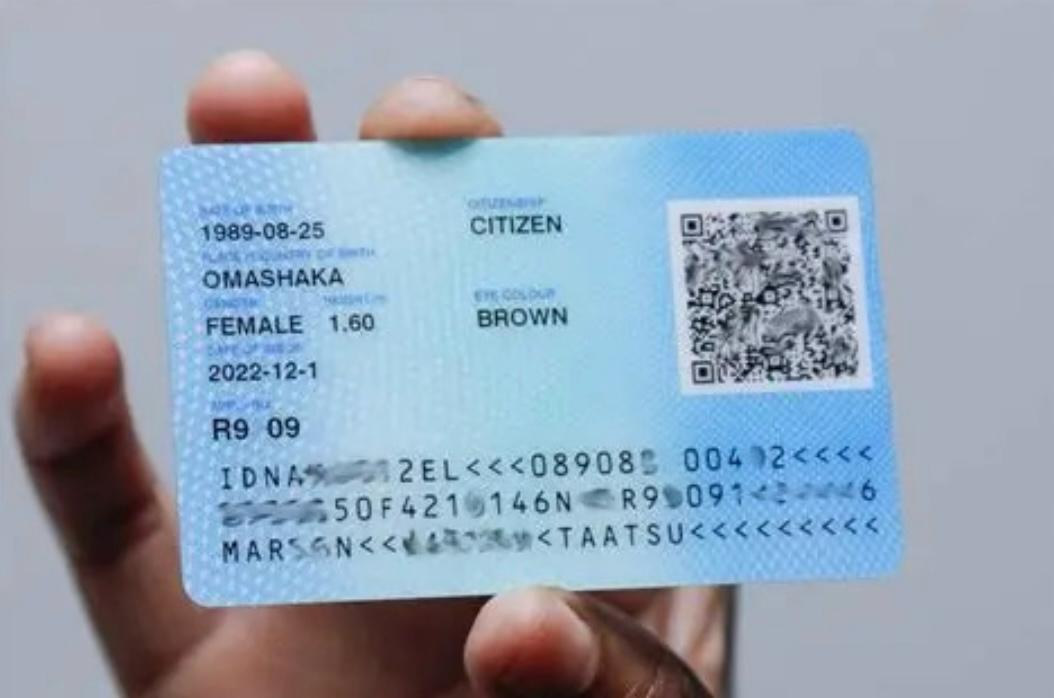
Home affairs minister Lucia Iipumbu has dismissed public concerns and protests alleging that Namibia’s planned electronic identity documents will be used to microchip and track citizens.
This follows some residents of the Omusati region recently protesting the new electronic IDs (e-ID), saying they are part of the government’s agenda to microchip citizens to track their movements.
Delivering a statement from the Ministry of Home Affairs, Immigration, Safety and Security in the National Assembly on Wednesday, Iipumbu said the ministry has taken note of information circulating on social media, as well as concerns raised through petitions and demonstrations in some parts of the country.
“While public engagement and democratic participation are welcomed and respected, it is important that discussions on this matter are guided by facts and accurate information,” she said.
“Namibia is committed to modernising its identity management systems in line with international standards and best practices. This initiative aims to strengthen national security, improve service delivery, protect personal identity, and support the country’s digital transformation agenda.”
Iipumbu said the e-ID is a secure, smart identity card that stores biometric and demographic information digitally, including fingerprints, photographs and other identification details.
She said the card will enable secure, efficient and real-time identity verification in both physical and digital environments.
“The electronic identity document does not involve the implantation of any device, chip, or technology into any individual. The technology is contained within the identity card itself, similar to that used in modern bank cards and internationally recognised smart cards,” she said.
The minister also rejected assertions that the new identity document could be used to track citizens, saying the e-ID cannot monitor, track or control citizens’ movements or activities.
Iipumbu said the government remains committed to protecting citizens’ constitutional rights and privacy, adding that the implementation of the e-ID will fully comply with the Civil Registration and Identification Act of 2024.
She said public awareness and consultation initiatives have already kicked off nationwide and will continue ahead of the planned roll-out in September.
“As we move forward, I encourage all Namibians to seek information from credible and official sources and to refrain from sharing unverified information that may cause unnecessary fear, confusion, or misunderstanding,” she said.