






Microlenders alone are not responsible for the high levels of debt, as there are other financial pressures households face.
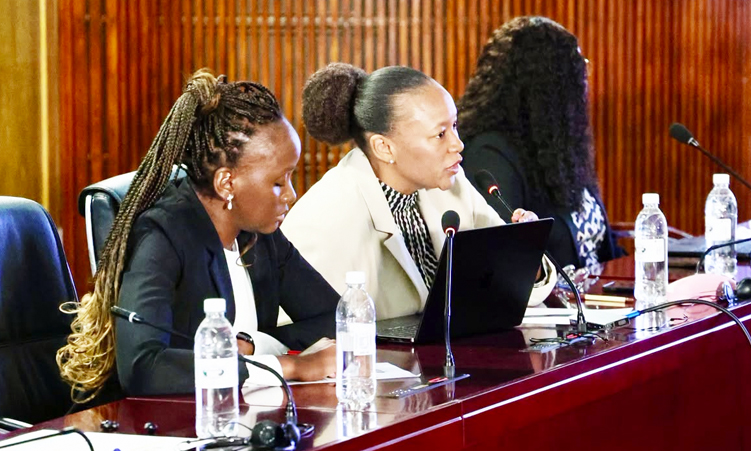
Bankers Association of Namibia chief executive Dantagos Jimmy said this on Friday when the association appeared before the National Assembly’s parliamentary standing committee on economy and industry, public administration and planning during a public hearing on household debt and lending practices.
The hearing followed a motion on whether existing laws adequately protect Namibians against exploitation by lending institutions and informal moneylenders, tabled last year.
Jimmy says income pressures, short-term borrowing and insufficient financial buffers are at the centre of the debt problem, as household incomes struggle to keep up with the cost of living.
She says payroll deductions are not the main problem, as they are regulated by law, but more needs to be done to improve financial literacy and help people manage their finances.
Namibia’s growing household debt crisis, she says is driven by low wages failing to match the rising cost of living.
“We are caught in a situation where either way it creates pressure, and what remains at the centre is the actual low income and high expenses – and there lies a mismatch,” Jimmy says.
Jimmy says many Namibians, particularly those earning lower and mid-range incomes, are struggling to survive on salaries that do not match the cost of living.
“Most of our citizens, especially the middle-income salary, is about N$4 000 per month, and we all know that the value of the items we need to survive on are much more than this,” she says.
She says the mismatch between income and expenses leaves households with little choice but to borrow to meet their basic needs.
The price of food and beverages, housing and transport have increased, putting additional pressure on household finances, Jimmy says.
“These realities are hard to escape and people are forced to go to microlenders to borrow money,” she says.
She says banks conduct affordability assessments when considering credit applications, although they are sometimes criticised for excluding people from accessing loans.
Jimmy says the solution is to either improve financial education or restrict access to lending facilities, adding that the association favours greater financial literacy.
Committee chairperson Iipumbu Shiimi asked how citizens who do not qualify for loans are expected to meet their financial needs.
Jimmy responded that the expectations placed on civil servants contribute to the pressure.