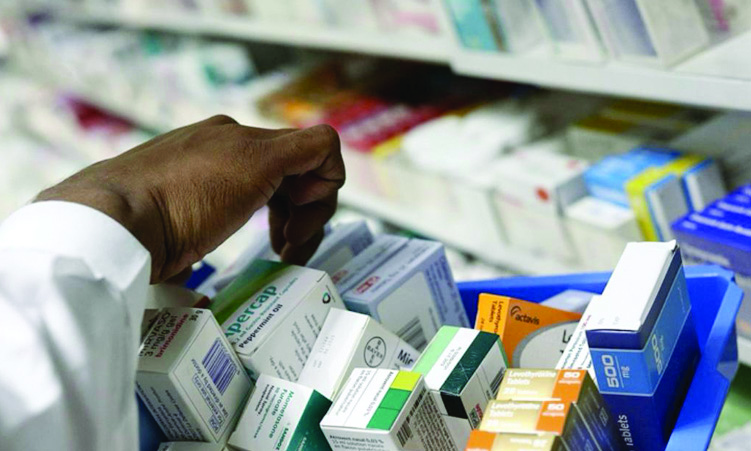
Mental health patients at Oshakati, Engela and Okahandja state hospitals are reportedly left without medication.
The shortage has raised concerns about the well-being of patients who depend on state hospitals for treatment, as interruptions in medication can lead to relapses and worsening mental illness.
Ministry of Health and Social Services spokesperson Walters Kamaya yesterday said although there are shortages of certain medications, the ministry has received some medicine deliveries and is expecting more in the coming weeks.
He said the ministry would continue to provide updates on medicine supplies as new stock arrives.“We will be giving updates on a monthly basis like we have been doing for the past months,” Kamaya said.
The ministry recently issued a notice outlining medicines that had been received and distributed to healthcare facilities countrywided.
However, it remains unclear which mental health medicines are currently unavailable and when supplies will be fully restored.
The Word Health Organisation says many people with conditions such as schizophrenia, bipolar disorder and severe depression rely on daily medication to manage their symptoms and prevent relapses.
Without medication, patients may experience a deterioration in their mental health, requiring emergency medical intervention or hospitalisation.
“The latest shortages also puts additional pressure on families who are often forced to seek medication from private pharmacies, where the cost of treatment can be prohibitively expensive,” says a source who prefers to remain anonymous.
He says although more deliveries are on the way, patients and their families remain anxious about how long they may have to wait before essential medicines become consistently available.
Medical doctor Cornelia Ndifon warns that interruptions in treatment can undo years of progress and, in some cases, worsen a patient’s condition significantly.
“In mental health, not taking one’s medication or defaulting on treatment can do a lot of harm,” she says.
Ndifon says patients who had stabilised on treatment could relapse if medication is suddenly stopped.
“If a person was already on treatment and made progress, say they’ve been on treatment for years and then abruptly stops the treatment, it can lead to eroding of previous progress made and it can compromise future health going forward,” she says.
Ndifon says symptoms often return more severely after treatment has been interrupted.
“For example, a patient who previously had moderate depression while on treatment may become severely depressed when they stop taking their medication, sometimes requiring emergency or more intensive treatment,” she says.
The doctor says anxiety symptoms may also worsen, while some patients could experience escalated aggression, posing risks to themselves or others.
“Anger may escalate to a terrible aggressive outburst with the potential of harm to oneself or other people,” she says.