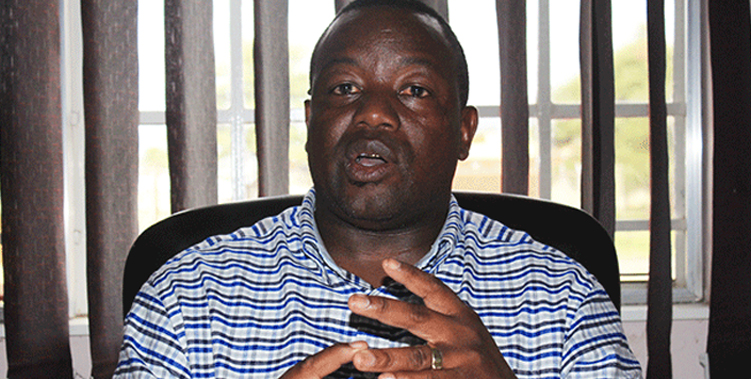




Nganate said issues such as illegal child fostering, kidnapping, human trafficking and sexual abuse are some of the concerns that need to be addressed as a whole.
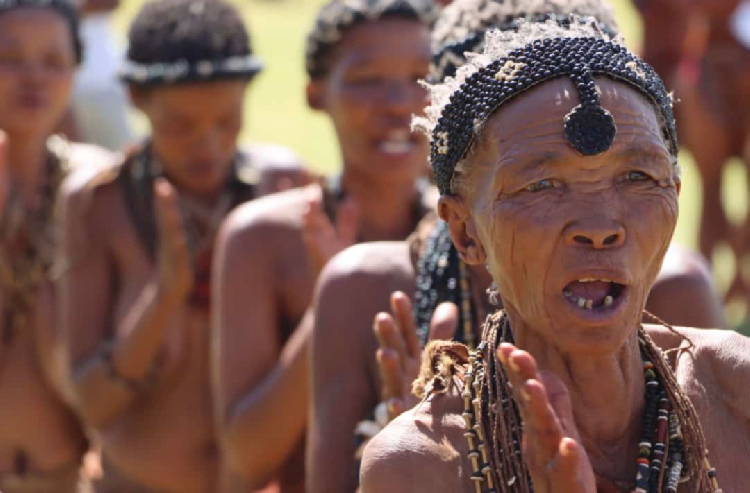
He was speaking during International Day of the World's Indigenous Peoples at Gobabis on Tuesday.
“People who take children to towns under the pretext of looking after them and use them as domestic workers, and refuse them opportunity to attend school should be brought to book and face the full arm of the law.
"The people mostly affected by marginalisation are women, youth and children, while girls in particular are greatly affected by educational exclusion, and recruited as domestic workers instead,” he said.
Nganate said Namibian laws are designed to protect all its citizens, however, it becomes a collective responsibility to address the violations of human rights as a country, to ensure all people in the country are treated with dignity and respect.
“Seventy seven percent of unemployment is among these respective communities, which have 68% poverty levels.
"These numbers should infuriate us all, and we should change the current trend of indigenous minorities' marginalisation,” he said.
Education and literacy are the foundational issues in addressing unemployment, poverty and the preservation of language, cultural and indigenous knowledge, Nganate said.
“In this information age, it becomes the responsibility of each and every one of you from the indigenous minority to write and transmit your own stories, to be the archivists of your own histories and rich traditions. Your names should appear on research papers and cultural literature."
Nganate said cultural preservation is valuable in keeping histories alive and sharing who you are with the world and future generations.
“The United Nations has declared a decade of indigenous languages, and it is during this set aside period that the stories of your ancestors must be told and recorded in your own unique languages,” he said.