Dogs have been making headlines over the past week. First the stray that was brutally killed with a pick-axe in Klein Windhoek and then the two pit bulls that attacked and killed 13-year-old Fred Savage in Otjomuise.
Dogs have long been considered man’s best friend, but with little respect, knowledge and ill treatment of our four-legged friends, we have witnessed what can happen when the relationship between humans and canines goes horribly wrong.
Humans have long credited themselves for domesticating dogs, but studies have shown that dogs may have also self-domesticated by relying closely on humans for survival during our early hunter gathering days.
The book, ‘The Genius of Dogs’ by Dr Brian Hare and Vanessa Woods explains that the species of wolves that dogs descended from would hang around human dwellings to eat the scraps that were left behind. The aggressive wolves were killed, while the bolder and friendlier ones were spared.
Over time, their physical appearance and temperament changed, which gave way to floppier ears, wagging tails and animals with the ability to understand human gestures. Puppies are said to have an inherent understanding of human gestures from six weeks old.
Humans have been rearing dogs for various reasons. Some as hunting dogs, bait catchers, and even for dog fighting purposes. The modern day pit bull is descendant from the English Bulldog, which as the name suggests, were bred to bite and hold bulls, bears and other large animals around the face and head.
When baiting was outlawed, people started using bull dogs for dog fights and to increase the agility of the naturally large and slow bull dog, the dogs were crossbred with terriers to create what is now known as the pit bull terrier.
Although pit bulls were originally bred for aggression, it is not to say that they can’t be friendly, docile and playful dogs. The temperament of a dog may be due to some predisposed genetics, but the American Society for Prevention of Cruelty to Animals believes that a dog’s behaviour develops both from its genetic make-up and the environment it’s raised in. They urge people to not categorise dogs according to their breed, but rather to learn to understand each dog as an individual.
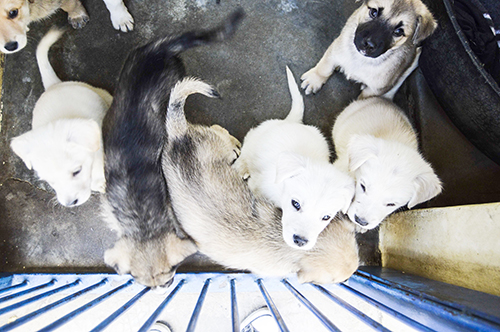
All dogs need the correct supervision, socialisation with humans and other dogs, humane training and commitment from their owners. People tend to buy puppies as gifts for their children but seldom do they fully understand the commitment and time it takes to raise a healthy and happy dog.
Too many dogs are seen roaming the streets because of their owners’ negligence of not ensuring that the dogs are securely kept in the yard, not adequately fed and watered, walked, cleaned and given the attention that they deserve and need to lead healthy and happy lives.
Anke Oetgens, a volunteer and a committee member at the Windhoek SPCA, explains that ignorance of dogs and breeds in part fuels the mistreatment of animals. ”Not everyone is meant to have a dog. They require a lot of care, attention and exercise, which they are simply not getting. Pets are a lot like children, if you mistreat them and neglect them, they tend to become aggressive and resentful towards humans. With people teasing dogs, throwing stones at them, beating them etc., dogs start to associate humans as evil, and are more likely to lash out.”
Another problem with the socialising of dogs is that they are removed from their mother at too young an age. “Their mother teaches them a lot of vital socialising skills, they learn how to play with each other, how rough is too rough and loads of other social cues from spending more time with their mothers.”
Dog abuse is also a big problem in our country, with underground dog fighting, chaining dogs up, and in extreme cases, killing dogs for food, like the dog found in Klein Windhoek. Eating dogs isn’t unheard of in Namibia, but the method in which the dog was killed was what sent shockwaves through the community.
It is not against the law to kill and eat a dog in Namibia, provided that you own it, but it is expected that the animal is killed in a ‘humane’ way, which brings forth the debate of whether there is a humane way to kill at all.
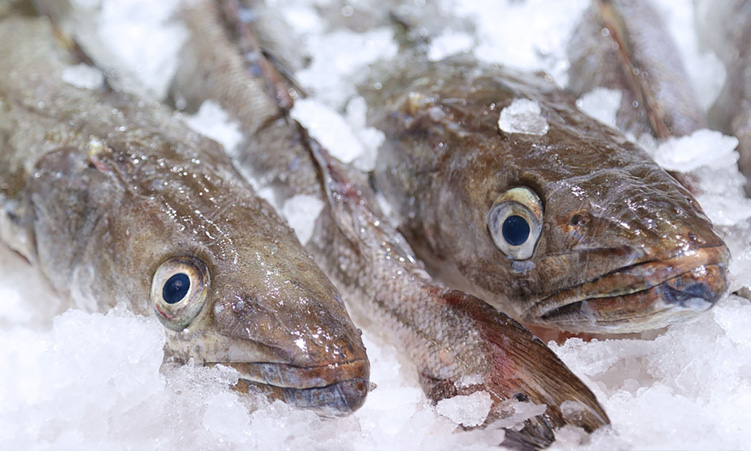
Namibia is well-known for its beef all around the world, and as a country where we are largely meat eaters, some have pointed out the hypocrisy between us condemning the eating of dog meat, yet overlooking our consumption of other animals.
Eating meat like chicken, pork and beef has become normalised in our society, partially due to how we interact with these animals and the bonds we form with them.
In India, cows are considered holy ,while here we send hundred of thousands of them to slaughter every year. The debate between which animals are morally OK to eat and which are not comes down to our cultural values, our geographical location and our financial circumstances. Sometimes people are forced to eat certain animals out of desperation .
While the Yulin dog festival in China saw around 10 000 dogs slaughtered as part of the festivities, Nepal honoured dogs during the Kukur Tihar festival as they are believed to be the messengers of Lord Yamaraj in Hindusim.
Our differences will undoubtedly always create a moral debate on why certain animals are fit for consumption and why others aren’t, and our meat eating habits as a species might hit crisis levels in 2050. This brings up the question: Should be eating meat at all?
The world eats seven times more meat than it did in 1950, and our ever-growing demand for food is straining the planet’s ability to produce it, according to the Earth Policy Institute.
With beef farming where farmers are overexploiting land to keep up with the demand and fish being over-exploited, it might do us good to start looking for alternate sources of food that aren’t so heavily reliant on meat. As the world moves closer to a population of nine billion in 2050, and our food security comes into the spotlight, there is no doubt that our canine friends will be there by our sides as we journey on into the future of our civilisation.
In an age of information overload, Sunrise is The Namibian’s morning briefing, delivered at 6h00 from Monday to Friday. It offers a curated rundown of the most important stories from the past 24 hours – occasionally with a light, witty touch. It’s an essential way to stay informed. Subscribe and join our newsletter community.

The Namibian uses AI tools to assist with improved quality, accuracy and efficiency, while maintaining editorial oversight and journalistic integrity.
Stay informed with The Namibian – your source for credible journalism. Get in-depth reporting and opinions for
only N$85 a month. Invest in journalism, invest in democracy –
Subscribe Now!