





SHOULD same-sex couples want to get married, they should be allowed to exercise such an option.
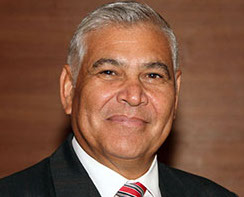
Not mincing his words, John Walters, the Ombudsman of Namibia, yesterday told that people’s choices need to be respected.
In the wake of a storm that erupted following a United Nations (UN) report, he said legislation that has not been enforced over the past twenty years has no place in the law books.
Referring to anti-sodomy legislation, which criminalises anal sex, Walters said: “I think the old sodomy law has served its purpose. How many prosecutions have there been? I believe none over the past 20 years. If we don’t prosecute people, why do we have the act?”
The UN report called on the Namibian government to abolish the common-law crime of sodomy and, amongst others, also appealed for same-sex unions to be legalised.
Yesterday, Walters wanted to know why Namibians do not respect people’s choices, especially if such people’s actions do not undermine national security. Moreover, the Constitution warrants religious freedom. Religion is often cited to condemn homosexuality. “We have a secular state. If churches have a problem, we need to sort it out with them.” An undoubted gap in our Constitution, the country’s supreme law, is that it does not expressly prohibit discrimination on the grounds of sexual orientation, Walters said. “It needs to be in the Constitution,” he charged.
The South African constitution lists sexual orientation as a ground in terms of which discrimination will not be condoned.
Gay couples in the neighbouring country have also been legally enabled to marry a partner of their choice since December 2006 – almost a decade ago.
The choice to marry a man or a woman is a human rights’ issue, Walters stressed. “I have been appointed to protect people’s human rights, despite people’s choices. If people of the same sex would like to get married, it is their choice, whether the country, the community, churches and government acknowledge that [is something else]. We will have to discuss the challenges. Abortion and sex work too are about choices.”
However, it is important not to copy and paste the South African status quo, he advised. “We have to discuss these issues and make our own decisions.”
Linda Baumann, the director of Out-Right Namibia, said it is “important for Namibians to understand that the status of homosexuality is not illegal. Namibia is progressive for not having a legal framework that criminalises homosexuality.”
She concurred with Walters that the anti-sodomy law is not being enforced. “But we need a gay man to say: ‘My rights are being affected by this act.”
Although a proposal for same-sex unions to be legalised is a step in the right direction, it still falls short of a heterosexual marriage, Baumann contended. “There will be a societal shift should either President Hage Geingob or Prime Minister Saara Kuugongelwa-Amadhila publicly pronounce that everybody is equal.”
Out-Right Namibia advocates gay rights in Namibia.
Windhoek-based human rights’ lawyer Norman Tjombe said: “The United Nations’ recommendations that Namibia abolish the common-law crime of consensual sodomy and include same-sex relationships in the existing Combating of Domestic Violence Act, is long overdue.
Namibia’s Constitution demands equality in all spheres of life, and it is only appropriate and the right thing to do that we do not tolerate any discrimination against any person. Namibia is otherwise a progressive and forward-looking country, and we should have the same reflection in our laws.”