A company owned by businesswoman Sara Katiti wants the government to stop contract negotiations on a N$1.3 billion tender for the supply of mental health medicine, cancer treatments and medication for chronic conditions to state hospitals.
The disputed tender also covers treatments for diabetes, high blood pressure and life-threatening bacterial infections.
Katiti’s Afripharm Investments’ latest warning could worsen Namibia’s medicine shortages by preventing the state from buying long-term bulk supplies.
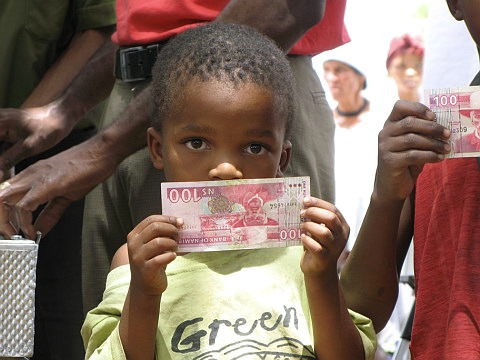
The tender, advertised in 2022 and first awarded in April 2023, has been tied up in court for years after N$1.3 billion of it was awarded to a company owned by a five-year-old child.
Businessman Shapwa Kanyama initially challenged the award in the High Court. The Supreme Court subsequently dismissed his appeal in May 2025, upholding the procurement board’s August 2023 decision to select 14 bidders, including Africure and Afripharm Investments.
The procurement board subsequently re-evaluated the bids and increased Afripharm Investments’ allocation from N$9.5 million to N$11 million in July 2025.
The company, however, refused to finalise the agreement. Instead, Afripharm launched a court application in December 2025 challenging the validity of the entire procurement process.
It argued that the tender had officially expired on 6 March 2025, rendering any subsequent contracts unenforceable.
Despite the court challenge, the health ministry wrote to successful bidders on 7 April to arrange contract negotiations.
Katiti’s company, Afripharm Investments, through its lawyers, dispatched a letter dated 21 April 2026 to the Central Procurement Board of Namibia and the Ministry of Health and Social Services.
“This correspondence, therefore, serves as a formal notice and warning of the legal and financial risks to which you are exposing the successful bidders and yourselves, by proceeding with the impugned procurement process,” Afripharm’s lawyer, Fadzai Musodza of Ndaitwah Legal Practitioners, says.
Afripharm Investments was initially represented by lawyer Sisa Namandje. The company has since used Ndaitwah Legal Practitioners.
Musodza says the procurement board’s decision to engage in pricing negotiations and revise bid prices nearly four years after the tender was issued raises serious concerns about the integrity and validity of the process.
She says this was compounded by the board’s decision to waive the mandatory requirement for performance security after the close of the bid process and after the expiry of the bid validity period.
“Such conduct constitutes a clear and material deviation from the express provisions of the bidding documents, undermining the integrity, fairness and transparency of the procurement process,” she says.
Musodza, referring to the December 2025 court application, says the affidavits have now been formally filed in the above matter, and the next step is to proceed with securing dates for the hearing and finalisation of the matter.
“In light of the relief sought, we consider it necessary to reiterate that should the court grant the orders prayed for, the procurement process and all contracts, decisions and actions taken pursuant thereto after the expiry of the bid validity period stand to be declared unlawful, null and void, and of no legal force or effect,” she says.
The Namibian understands that the ministry pushed ahead with contract negotiations, despite legal challenges because hospitals are facing worsening medicine shortages.
Information seen by The Namibian shows that Central Medical Stores’ stock levels have dropped to about 40%, well below the required 80% threshold.
The Namibian has previously reported the president’s concerns over delayed state tenders in general. She is said to have concerns that these delays prevent her administration from fulfilling its election promises. As a result, the government has increasingly relied on emergency tenders without public bidding, a move criticised by industry bodies and analysts for bypassing open bidding and potentially fuelling corruption.
Central Procurement Board of Namibia (CPBN) spokesperson Johanna Kambala yesterday said: “Please note that this matter is sub judice and thus CPBN is not in a position to comment further.”
The ministry of health did not respond to questions.
Afripharm owner Katiti yesterday said she has “no response for now as the matter is pending in court”.