





There’s pure and unrepentant evil in this world and then there’s Jeffrey Epstein.
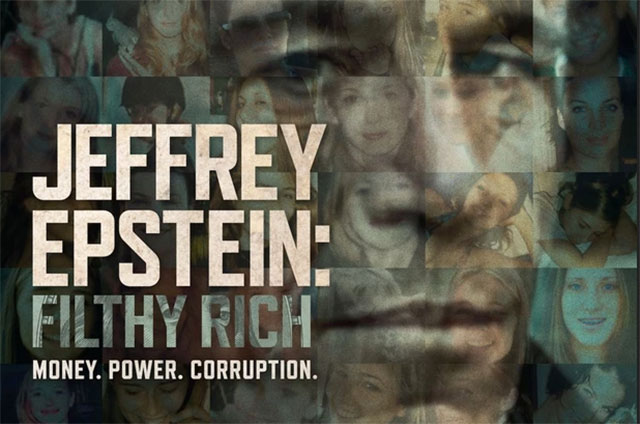
In his final mugshot dated 9 July 2019 the corners of his mouth tilt up in a slight smile. A cryptic expression viewers may have seen on protester posters and in Netflix’s ‘Jeffrey Epstein: Filthy Rich’ (2020), a documentary directed by Lisa Bryant detailing the multimillionaire’s rise to notoriety and his unbelievably long list of sexual offences.
Thankfully, ‘Filthy Rich’ is no glamourisation. There is no diving into Epstein’s past to justify his actions. No rock and roll soundtrack to make his deeds seem somehow badass while elevating him to warped heights à la Ted Bundy.
Instead, at the time of the documentary’s release, Epstein is nine months dead by his own hand, those who knew him have done the necessary public relations pole vaulting to dissociate from the man and what remains is primarily the testimony of his victims. A collection of shocking and similar tales told over and over by adult survivors who were sexually abused and trafficked by Epstein as teenagers.
Based on James Patterson’s 2016 book of the same name, the four-part series offers plenty of what we know. Epstein was an exceedingly wealthy serial sexual offender who hob-nobbed with the rich and famous before killing himself in federal prison.
What is new and comparatively appreciated is the series’ focus on Epstein’s victims.
While many documentaries about awful men are produced in a way that makes them the sympathetic character, ‘Filthy Rich’ introduces viewers to sisters Maria and Annie Farmer, Virginia Giuffre, Haley Robson, Michelle Licata, Alicia Arden, Shawna Rivera, Courtney Wild and Chauntae Davis.
Each recalling who they were before they met Epstein and how he manipulated and abused them – allegedly sometimes with the help of his ex-girlfriend and associate Ghislaine Maxwell – the series outlines the financier’s decades-long scheme.
For years, Epstein would lure young teenage girls to his opulent Palm Beach home promising US$200 dollars in exchange for a massage that would soon turn sexual. Often preying on teens from poor, abusive or difficult homes who would be paid extra to recruit new young girls, Epstein created what is described as a sexual abuse pyramid scheme.
Though Epstein molested countless young teens, one of the most shocking elements of his story is how he managed to do it for so long without consequence. In a post-#MeToo world, men like disgraced Hollywood mogul and convicted rapist Harvey Weinstein illustrate how wealth, power and influence can hide a multitude of sins.
The survivors say it themselves: people knew, they just didn’t care enough to say anything.
The documentary also floats the idea that Epstein, who equipped his homes with surveillance cameras, was blackmailing his powerful associates into silence. A silence they would resolutely keep to not be exposed effectively raping minors or making enthusiastic use of the Epstein’s horrifying international sex trafficking ring.
Offering insight into how Epstein was offered a sweetheart deal by Florida prosecutors and the effect the sexual predator’s crimes had on survivors both emotionally and professionally, ‘Filthy Rich’ underscores how society silences victims of sexual abuse and consequently insulates and protects perpetrators.
Though the documentary’s lacklustre production leaves a lot to be desired, the absence of Maxwell is glaring and the inclusion of interviewees such as Alan Dershowitz and Epstein’s alleged Ponzi scheme partner Steven Hoffenberg is odd, ‘Filthy Rich’ gives some of Epstein’s victims the opportunity to speak after his sudden suicide denied them this opportunity at trial.
Years later, their abuse at the hands of Epstein still haunts them and filters through their life; like the brave survivors who have spoken before them, their words illustrate the true and lasting horror of rape and trafficking. An effect that should inspire tougher sentencing for sex offenders and far less tolerance of sexual harassment, abuse and assault in society at large.

