






Japan has contributed development assistance to Namibia worth N$80 billion over the past two decades, including in technical assistance, grants and scholarships.
National Planning Commission (NPC) executive director I-Ben Nashandi says Namibia has benefited from support in infrastructure planning, agricultural productivity and community empowerment.
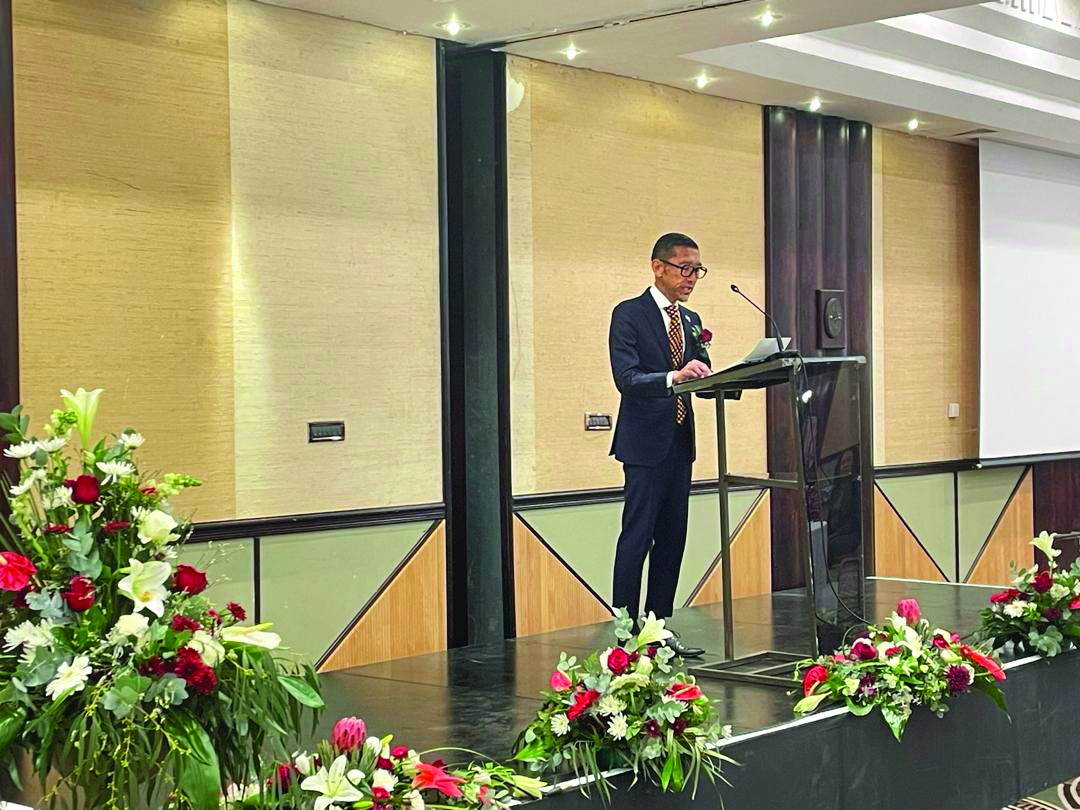
He said this at the 20th anniversary of the Japan International Cooperation Agency (Jica) in Namibia in Windhoek last Wednesday.
“In development cooperation, we count projects and beneficiaries that have been reached. Japan’s contribution to different sectors to date amounts to over N$80 billion. Close to half – N$47 billion – is in grants and development assistance. That accounts to almost one year of Namibia’s budget,” Nashandi said.
He said the two countries have been working together to improve the lives and livelihoods of Namibians, proving that true development comes from partnerships where Namibians are empowered to lead their own development.
Japanese ambassador to Namibia Shinichi Asazuma at the event said Jica’s core development programmes in Namibia are technical assistance programmes, including feasibility studies and master plans.
“One of Jica’s flagship contributions has been in the field of logistics and transport – a sector of growing strategic importance to Namibia’s future,” he said.
The idea that Namibia could become a logistics hub for the region by developing the port at Walvis Bay was based on a technical assessment by Jica, Asazuma said.
Between 2013 and 2015, Jica supported the Namibian government in developing its logistics hub master plan, which was first implemented in 2016.
The second phase increased cargo throughput at Walvis Bay through more efficient operations, Asazuma said.
He said logistics will become ever more important as Namibia sees major developments in offshore oil and gas, critical minerals and green hydrogen.
“Each of these sectors, transformative as they are, will depend fundamentally on world-class logistics infrastructure and a skilled Namibian workforce to manage it.
The master plan Jica helped design and the human capacity that Jica has helped build through training programmes and institutional support will serve as a vital foundation as Namibia moves to capture the full value of these extraordinary opportunities,” Asazuma said.
Jica also brings volunteers from Japan to work in Namibia through the Japan Overseas Cooperation Volunteers programme.
Since 2006, there have been 177 Japanese volunteers in Namibia, primarily working in education, civil engineering and local administration.
The director general of the volunteers programme, Takuya Otsuka, said it has expanded in recent years to areas such as environmental education and youth activities in response to changing needs in Namibia.
“The programme has also strengthened its impact through collaboration with Jica’s training programmes, enabling continuous capacity development and the building of human networks,” he said.
Some 11 Japanese volunteers are currently living in Namibia and presented their activities to guests.
Several are teachers, who said their primary activities involve teacher training and developing teaching materials that can be useful beyond their two-year assignment.
“I’m confident this programme will continue to adapt to changing times, contribute to the development of Namibia and the world, and further strengthen the friendship between our two countries,” Otsuka said.