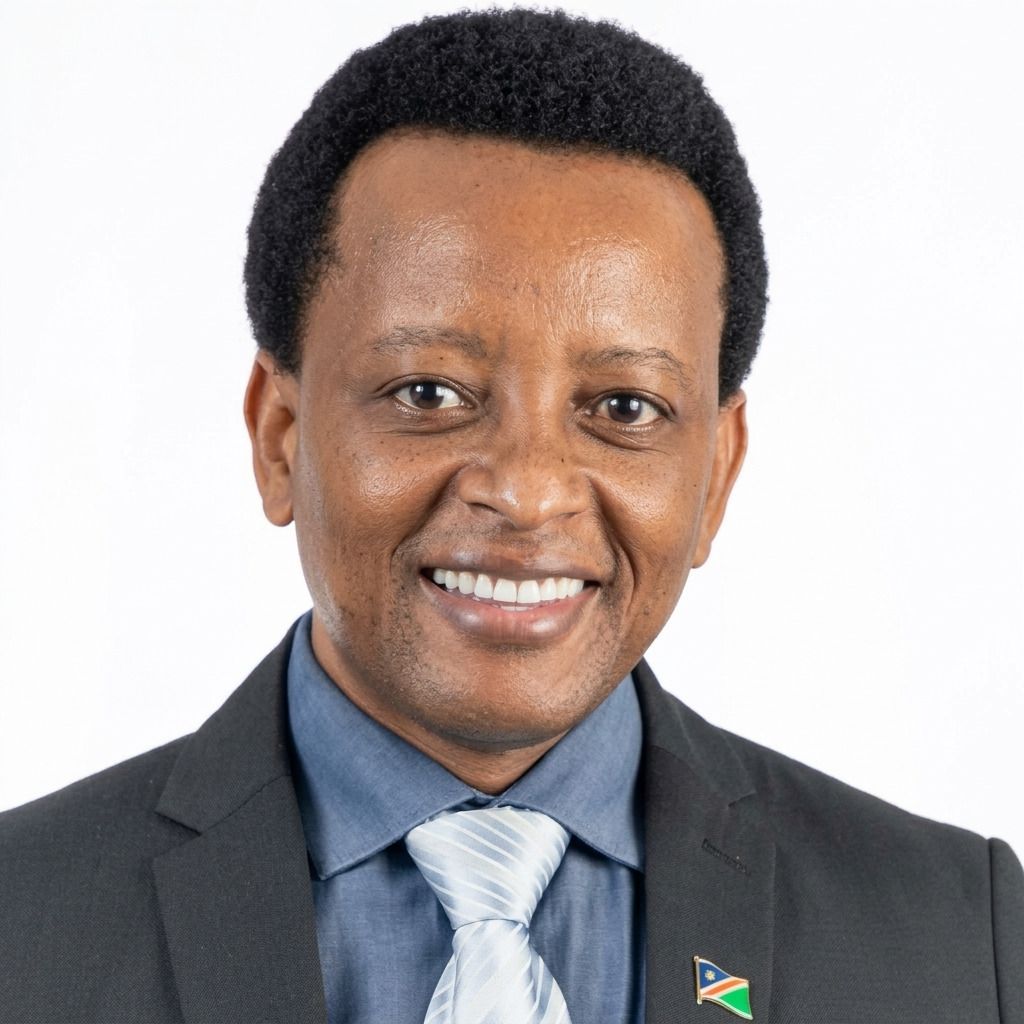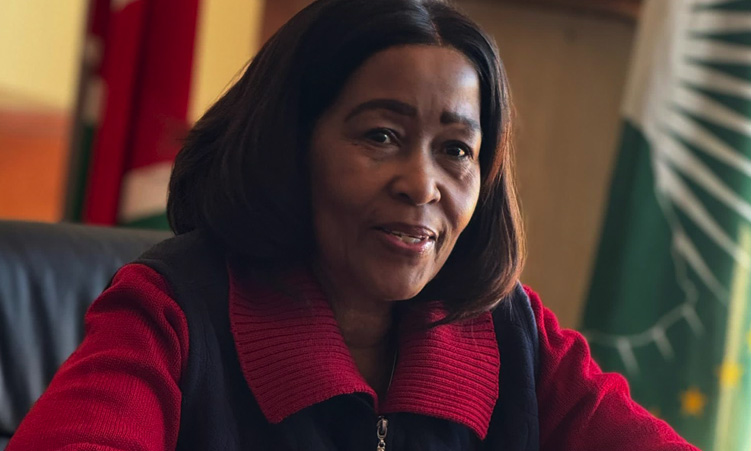
Motivation statement by Inge Zaamwani, Minister of Agriculture, Fisheries, Water and Land Reform, 30 September 2025
___________________________________________________________
I present the land bill to you in the belief that our deliberations will take place within the context of existing Constitutional stipulations, policies, and legal frameworks that provide for access to land as a fundamental right for a decent and dignified standard of living for all Namibians.
A Step Forward in Land Reform
The land bill represents a consequential step forward – one that seeks to consolidate progress, confront persistent challenges, and reaffirm our collective resolve to deliver equitable access to land for Namibians who need it most.
This bill is not merely a policy proposal; it is a strategic framework with the potential to unlock opportunities in both communal and commercial areas.
Initially introduced to this August House by former minister Carl Schlettwein on 13 March 2025, the bill was not discussed. Its reintroduction now carries renewed significance. This time, it comes before an assembly enriched by a broader spectrum of voices, including stakeholders who participated in the Second National Land Conference. Their presence strengthens the legitimacy and inclusivity of this legislative process.
Process of Developing the Land Bill
The development of this bill began 18 years ago, in 2007.
In 2010, the ministry conducted regional consultations to gather inputs from key stakeholders, including government ministries, traditional authorities, farmers, organised labour, conservancies, and civil society organisations.
Following these consultations, the bill was tabled in 2017, coinciding with preparations for the Second National Land Conference. After concerns were raised in the National Assembly, late president Hage Geingob directed that the bill be withdrawn pending the outcomes of the 2018 conference.
The resolutions of that conference have since been incorporated into this bill and the National Resettlement Policy.
Acknowledgement
On behalf of the ministry and all stakeholders who contributed to this process, I express our profound gratitude to former ministers Schlettwein, Nujoma, and !Naruseb for their steadfast leadership and dedication in shaping this landmark legislation.
A People-Centred Bill
This bill reflects the aspirations of the Namibian people, as articulated through the resolutions of the Second National Land Conference, which was characterised by a remarkable sense of unity and purpose. Participants spoke with one voice – a call for a peaceful, pragmatic, and people-centred land reform process.
Key Reforms Introduced
The land bill introduces several important innovations, including:
- Consolidation of all existing land-related laws into a single Land Act;
- Establishment of a centralised Land Tribunal to adjudicate all land disputes;
- Creation of a Communal Land Development Fund to support development in communal areas, complementing the Land Acquisition and Development Fund (LADF) for resettlement and agricultural land;
- Prohibition of land acquisition by foreign nationals in both communal and commercial areas;
- Stricter measures to curb non-compliance and collusion; and
- Establishment of land committees in areas without recognised traditional authorities or where disputes exist among them.
Overview of the Six Chapters
- Chapter 1 – Preliminary Provisions
Defines key terms and clarifies the interpretation of provisions in the bill. - Chapter 2 – Communal Land
Provides for the administration of communal land, the establishment and functions of Communal Land Boards, and the creation of Land Committees. It also establishes the Communal Land Development Fund to finance compensation, agricultural infrastructure, and capacity-building.
The bill prohibits foreign nationals from acquiring customary land rights and imposes penalties of up to N$50 000 or 10 years imprisonment for contraventions. - Chapter 3 – Agricultural Commercial Land
Prohibits acquisition of commercial farmland by foreign nationals and empowers the minister to compulsorily acquire land for public purposes beyond land reform. - Chapter 4 – Land Tax
Provides for the Valuation Roll (to be compiled every five years) and the imposition of progressive land tax on commercial farmland. - Chapter 5 – Lands Tribunal
Strengthens the tribunal’s capacity by increasing membership from five to seven and extends its jurisdiction to communal land disputes. - Chapter 6 – General Provisions
Covers delegation of powers, limitation of liability, service of notices, and regulatory mechanisms for the administration of the act.
Revisiting the Willing Buyer–Willing Seller Principle
There is broad consensus that the willing buyer–willing seller principle, adopted at independence under UN Resolution 435, has not produced the desired transformation.
As president Hage Geingob stated during Namibia’s 27th Independence Anniversary:
“After 27 years, the willing-seller–willing-buyer approach has failed to bear anticipated fruit.”
Persistent challenges remain, including the limited availability of suitable land, high land prices, and growing demand among landless Namibians.
Commitment to Transformative and Peaceful Land Reform
Through this bill, the government reaffirms its commitment to peaceful and equitable land reform – one that accelerates access to land for youth, women, corridor dwellers, and generational farm workers.
We must not shy away from expropriation of land in the national interest, where it is just and necessary. This bill is therefore a transformative instrument designed to restore dignity, promote equity, and empower our people through access to land.
As president Nelson Mandela once said:
“Land reform is not a threat to peace; it is the foundation of peace. It is not a call to chaos, but a call to justice. And justice must never be delayed, for delayed justice is denied justice.”
A Call for National Unity
As we deliberate on this bill, let us do so in the spirit of nation-building and our enduring mantra of One Namibia, One Nation. Let us ensure that this law is transformative and impactful for generations to come.
Government alone cannot address all the complexities of land reform. We therefore call for inclusive, cross-sector collaboration to forge sustainable solutions. Only through shared responsibility and partnership can we realise the transformative potential of land reform for all Namibians.