Namibia should use the extractive industry to build an industrial hub over the coming decades.
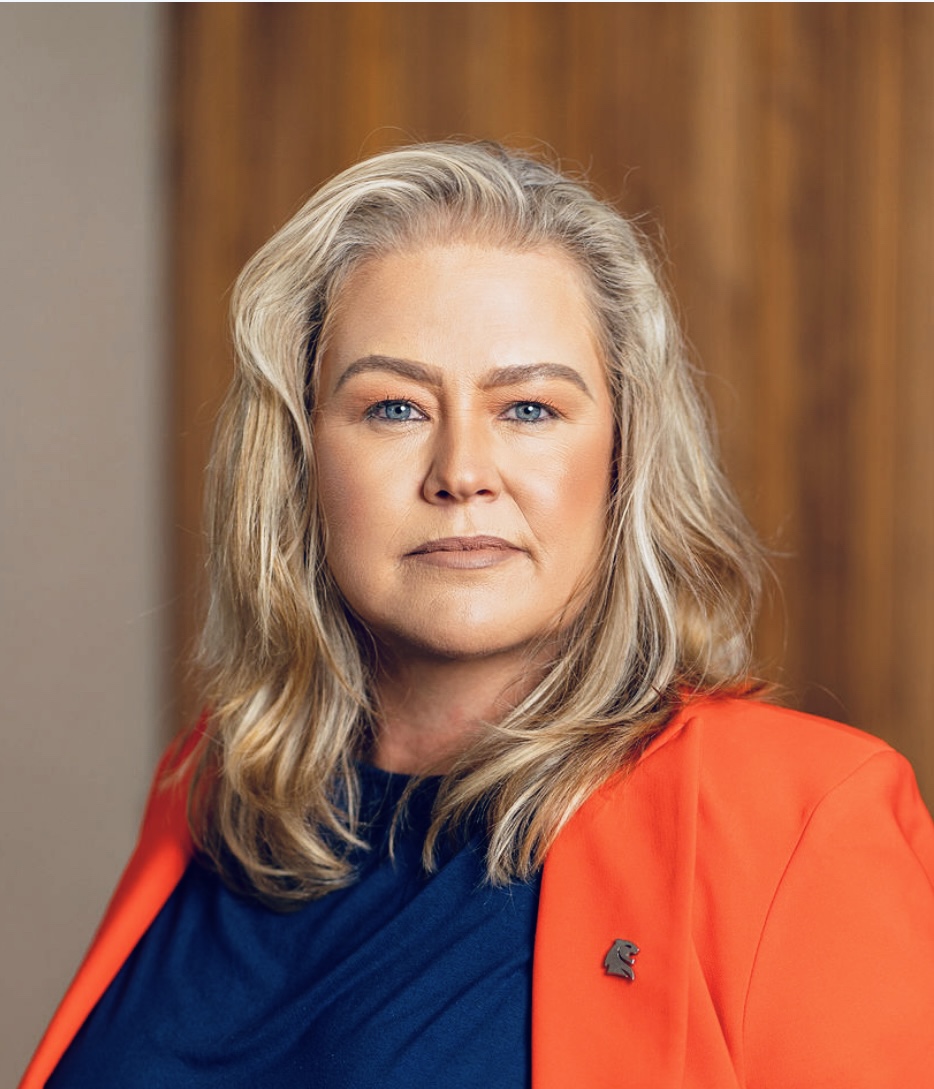
This was said by Angelique Peake last month, who leads RMB Namibia’s oil and gas practice.
“Naturally, it creates an opportunity for major upskilling, major growth in – potentially – a systemic manufacturing and industrial Namibia,” Peake said in an interview with RMB Africa.
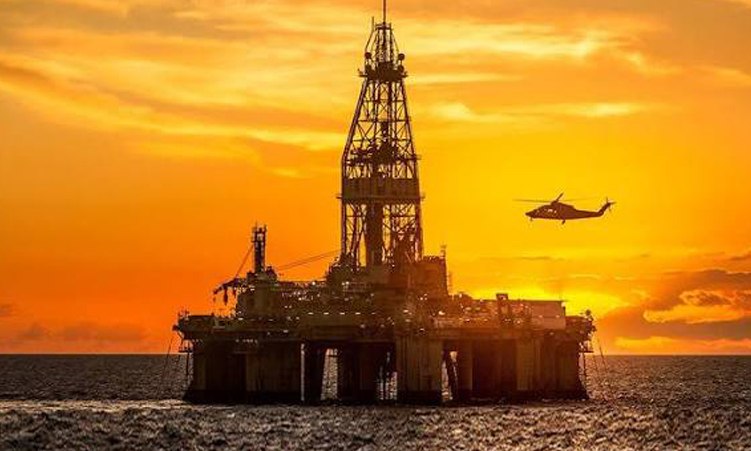
The recent discoveries in oil and gas have taken over as the main Namibian story, but the country actually has long experience in extractive industries.
“The beauty about Namibia is we’ve always had many different commodities. So we’ve always been able to ride the wave when one was stronger and the other ones were weaker,” Peake said.
Peake believes oil is just one part of this larger story of an extractive-based economy. Namibia’s uranium mining operations are well-established, but there are at least two new projects that are expected to come online soon.
The race for green hydrogen has turned into a play for green industrialisation, but remains important.
All of these industries could uplift the economy and turn Namibia into a high-skill high-employment environment.
“It’s not a five-year story. It’s a long story. It’s a change of skill and labour and certifications that will take time. But jobs are the most important thing that hopefully over time will come from this industry,” she said.
Exploring all of these commodities – oil and gas, mining and green hydrogen – will also allow Namibia to build systems that support all the sectors, such as infrastructure.
For example, Namibia has an opportunity to turn Walvis Bay into a strategic logistics hub.
Responding to questions about Nigerian oil magnate Aliko Dangote’s proposal to use Walvis Bay as a storage facility for fuel from his refinery and build a pipeline to supply Zimbabwe, Peake said it represented a broader strategic move for Namibia.
“It’s quite an important story because considering what’s happened with the fuel supply crisis right now, it’s only 20% of the world that’s in crisis, but it [affects] transport, logistics, flights, etc.
That sort of solution would mean that sub-Saharan Africa is not only reliant on whatever comes from the Middle East or from the United States,” Peake said.
“Ultimately, any mine, whether it’s in the water or in the ground, will eventually have an end of life. But the opportunity we sit at now is to build an industrial hub that can long outlive [the mine] from a skills, industrial and manufacturing perspective.”