Public transport users react to N$15 increase in transport fare
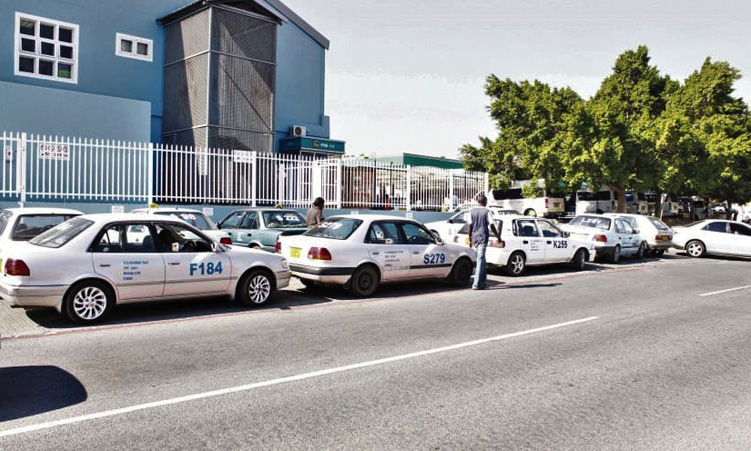
Public transport users say the increase in taxi fare from N$13 to N$15 while their salaries remain stagnant will further add to their financial woes.
Minister of works and transport Veikko Nekundi yesterday said the adjustment applies to taxis, minibuses and buses transporting people between towns from 18 May.
This comes after taxi drivers complained about fuel price hikes with no adjustment in taxi fares since 2021.
Nekundi said the ministry took note of the continued increase in fuel prices, driven by rising international oil prices and ongoing geopolitical tensions in the Middle East impacting Namibia’s economy.
Households, businesses, public transport operators, and consumers across the country have been affected by these factors.
Nekundi said the ministry has over the years received numerous appeals from role-players within the public passenger transport sector regarding the matter.
“The ministry acknowledges the important role played by taxi and bus operators in ensuring the daily mobility of citizens, and recognises the financial pressures currently faced by the sector,” he said.
He called on operators to implement the approved fare adjustments responsibly and in compliance with the Road Traffic and Transportation Act.
“Commuters and the public are urged to cooperate and engage respectfully with transport service providers during this transition period.
Namibians, we have heard your cries, we have listened and embarked on our investigation to understand the seriousness of the complaints among the industry players,” Nekundi said.
He said the government is committed to engaging stakeholders in pursuit of sustainable and affordable public transport solutions for all.
This is the first time the transport fare has increased by more than N$1.
In 2021 it was increased by N$0.50, which was the last time it was increased, while fuel price has increased many times.
‘FAIR’
Theresia Nekongo, who commutes to work by taxi in Windhoek every day, says spending N$15 on a taxi is a burden to the public.
“They should increase our salaries too.
N$30 a day is a lot. It’s a bit stressful, because I have to contribute a lot of money to the taxi, including all other expenses I have, like rent and food, but we will push on,” she says.
Passenger Wally Ronaldo is concerned about the increase.
He says transport is a basic necessity, especially for workers, students, and informal traders, and feels an increase will put more pressure on households already struggling.
“A 15% increase might not seem huge on paper, but for ordinary Namibians who rely on taxis every day, it adds up very quickly.
With the current state of the economy, unemployment, and the rising cost of living, many people are already struggling to make ends meet,” he says.
Another public transport user, Albertina Kanghondi, feels the increase is a better way of accommodating both passengers and transport operators, adding that operators are also challenged in finding enough money for petrol.
“That’s a valid reason for the increase, and we respect it.
It’s fair to taxi drivers,” she says.
National Organisation of Parents in Namibia founder Paulus Hawanga says citizens’ economic status should have been considered before increasing taxi fares.
“You cannot make it a one-size fits all. Pensioners and people with disabilities rely on their grant money only. How will they afford the taxi fare? We do not consider these people when making decisions,” he says.
Taxi driver Tauno Simeon welcomes the 15% increase, saying it is reasonable.
“It is not enough, but it is something, and we accept it,” he says.
Simeon urges passengers to start paying full amounts, saying customers do not tell cashiers in stores they only have a specific amount of money.
Taxi operator Moses Amunyela says drivers would still see no profit as they have to fuel up and hand their earnings over to vehicle owners.
Another taxi driver, Tobias Negumbo, urges customers who sometimes say they only have N$10 to start paying the full amount.
“I hope they are going to change or at least add N$3 more to their everyday N$10.
The increase is fair, because all of us are struggling,” he says.
Namibia Bus and Taxi Association secretary general Pendapala Nakathingo says the 15% increase is fair and not harsh to the public.
“It may not be enough, but it makes a difference.
The taxi fare increase is long overdue, but it is sufficient now considering the economic status.
It is better to survive as far as the fuel price increase is concerned,” he says.
‘NOT ENOUGH’
Pablo Benjamin from the Seven-Seaters Association yesterday said 15% is understandable, but a 30% increase would have been better and more realistic, considering the current economic situation and fuel prices.
“A N$2 increase may help a little, but for many drivers it is still not enough to cover their daily operational costs.
Fuel prices have increased heavily, especially diesel, while the prices of tyres, vehicle services, spare parts, and insurance continue going up every year,” he said.
Benjamin called for continued discussions between transport unions, government, and communities to find a balance that fairly and sustainably supports taxi operators and passengers.