




City gets candid on brown water, body and broken pipes
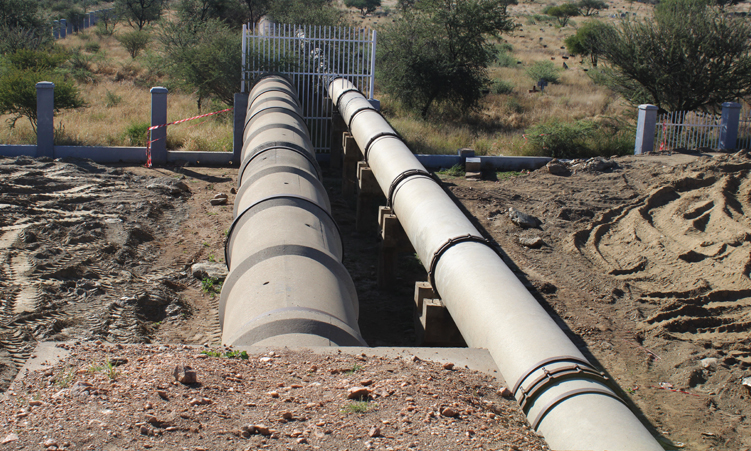
The City of Windhoek says the temporary brown discoloration in tap water is sometimes caused by water mixing with sand when pipes burst or when water passes through rusted pipes.
This was revealed during a media tour of the Windhoek water treatment and reclamation plant on Friday.
The city’s water has been a subject of note over the last week, following the discovery of a body in one of the machines used in the water treatment process.
This has raised concerns about water safety.
The body was later revealed to be that of Euhudt Timbo (47).
Over the weekend, residents also raised concerns regarding the brown colour of Windhoek’s tap water.
The city says the discoloration is linked to a recent water supply interruption linked to damage to the pipeline supplying water from the Von Bach Water Treatment Plant to Windhoek.
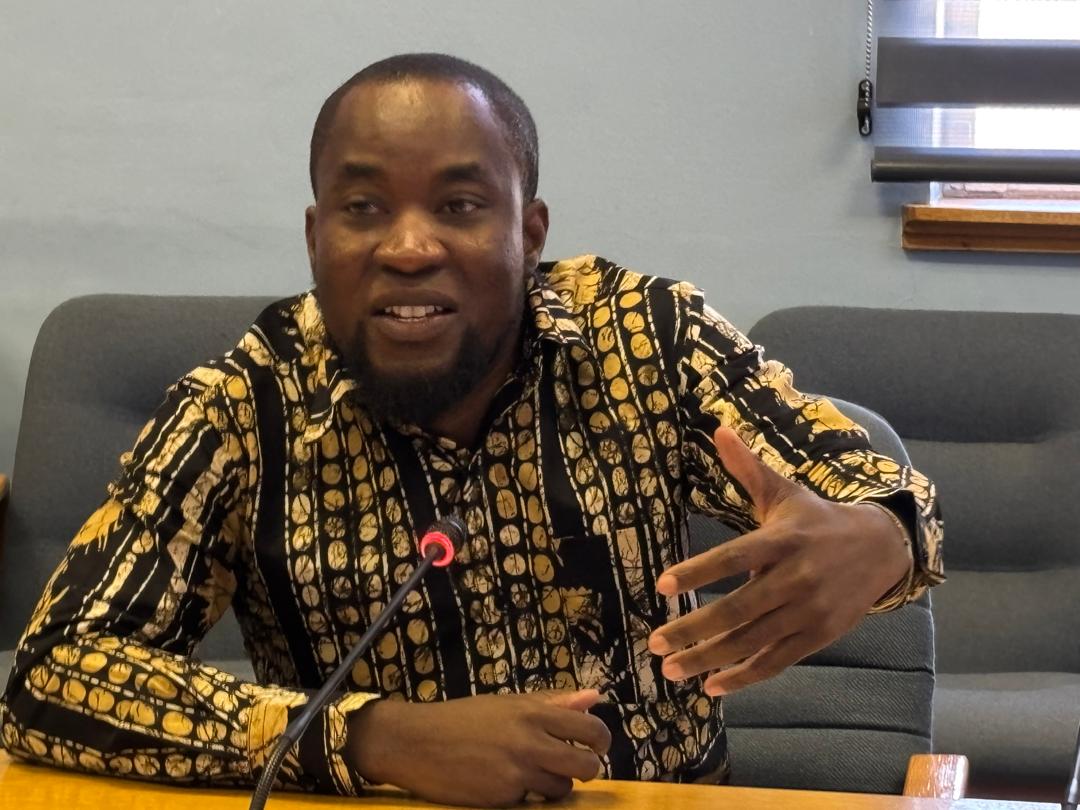
City spokesperson Lydia Amutenya says residents should allow the water to stand for a while until it becomes clear, and urges the public not to panic.
She adds that low reservoir levels in the northern suburbs have caused residue that settled at the bottom of reservoirs to become suspended in the water, resulting in the brown colour.
During the tour on Friday, the media was first escorted through the Gammams Water Works and shown the machine in which Timbo’s body was found last Sunday.
When you enter the facility, the smell of waste is noticeable.
Engineers guided the media through the various stages of the water treatment process, explaining how wastewater is purified before being released back into the system.
The first phase is known as the preliminary stage, where large solid particles are removed from the incoming wastewater through a screening process.
It is at this stage where the body was discovered. Process engineer Justina Haihambo says the body was transported through the pipes with the wastewater and dropped in the hydro conveyer, where it got stuck.
“Wastewater is screened, and picked by the rakes into the hydro conveyer. Unfortunately the body got stuck in the plate because it could not go with the smaller particles.
Our workers had to facilitate the removal, and police took over,” she says.
Addressing water safety concerns, she says the water goes through primary and secondary stages, with chemicals added to remove pollutants.
In the primary stage, suspended solids that were not removed during screening, are allowed to settle in quiet conditions, while lighter materials float to the surface.
The resulting sludge is then treated anaerobically to produce gas which is converted into electricity for use at the facility.
“You have units because it is quite undisturbed. It’s given a certain time for solids to settle out. Lighter materials float, while heavy ones settle into sludges,” Haihambo says.
“We convert this gas into electricity, and use it to warm digesters or feed back into our grid to reduce the demand.”
Windhoek municipality acting chief engineer of bulk and waste water Zelda Scheepers says Windhoek treats 20% of its water at the Windhoek Goreangab Operating Company to potable standards, ensuring safe consumption and environmental protection.
“The city would like to reassure residents that there are no health risks associated with the discoloured water.
Water disinfection levels have been maintained throughout the period, and ongoing testing confirms that the microbiological quality of the water remains within safe standards.
The issue is primarily aesthetic in nature and does not affect the safety of the water for consumption,” she says.
However, she warns that brown water may still appear in some parts of the distribution network as the system gradually flushes out affected water and cleaner water circulates through the pipelines.
Residents who continue to experience persistent water discoloration have been urged to report the matter to the city.
Scheepers says water supply has since stabilised and reservoir levels have returned to normal.