






Climate Finance is inefficient, insufficient, and unfair. With debt levels and borrowing costs soaring, climate action must be funded through more equity investments and concessional financing.
That means focusing on the needs of African countries which are disproportionately vulnerable to climate change – despite contributing the least to the problem – in creating and implementing green-finance tools.
The sooner leaders of advanced economies and international organisations understand what Africa needs to achieve a just energy transition and provide the required financing and technology transfers, the greater the chance of the world reaching net-zero emissions by 2050.
This week, Kenya is hosting the inaugural Africa Climate Summit, as well as Africa Climate Week, with the goal of increasing commitments and pledges to support climate-adaptation efforts and scale up renewable energy on the continent.
That makes this an opportune time for governments, the private sector, and multilateral lenders to begin removing the systemic barriers to investment and development in African countries.
CRITICAL REFORMS
To meet the emissions targets set by the Paris climate agreement, Africa will need US$2,8 trillion by 2030 – roughly equal to 93% of the continent’s gross domestic product.
But, with the continent’s combined public debt reaching US$1,8 trillion in 2022, many African countries lack the fiscal space to mobilise domestic resources.
International investors should fill this gap by providing financing and technology transfers that will help build capacity and develop local industry, rather than merely continuing to exploit the continent’s natural resources.
To that end, starting in Kenya this week and leading up to the United Nations Climate Change Conference (COP28) in Dubai in November and December, governments and financiers must begin implementing five critical reforms to ensure Africa’s funding needs are met.
First, lenders must offer more concessional finance to emerging markets and developing economies (EMDEs).
The World Bank and regional multilateral development banks (MDBs), supported by the climate finance contributions of advanced economies, should provide loans to low- and low-middle-income countries at an interest rate of 1% and with a 10-year grace period and a 20-year repayment term for initiatives that boost climate resilience.
Moreover, lending mechanisms such as the World Bank’s International Development Association, traditionally available only to low-income countries, should be extended to low-middle-income countries, and adopted by various multilateral institutions.
Governments and development agencies should also establish large and flexible pools of concessional capital earmarked for climate projects.
And they should explore new avenues for international taxation to provide grants, rather than loans, when traditional private or public funding falls short.

CREDIT AND CAPITAL
Second, MDBs can implement credit enhancement and credit guarantee schemes to incentivise private sector participation.
Such assurances would mitigate project risks and bolster investor confidence, attracting much-needed private capital to Africa.
Third, creditors, including in the G20, must provide debt relief to low- and middle-income countries.
Given that around 60% of low-income countries are in or at high risk of debt distress, suspending debt payments or, even better, canceling debts would greatly improve their ability to respond to the damaging effects of global warming. MDBs need to implement climate resilient debt clauses in loan contracts for poorer countries, which the World Bank announced this year.
Moreover, debt-for-nature and debt-for-climate swaps could enable recipient countries to repay their debts by investing in biodiversity protection and climate action.
Building on its recent efforts to provide US$100 billion in special drawing rights (SDRs) to climate vulnerable countries, the International Monetary Fund should allocate an additional US$100 billion in paid-in capital and redirect SDRs to MDBs, starting with the African Development Bank this month.
This would be in line with the Marrakech Declaration, an initiative to reform the global financial architecture being developed at the request of African finance ministers.

COMMUNITIES
Fourth, a multi-partner fund must be established to help mitigate foreign exchange risks for private investors by providing cost-effective currency and country hedges for climate investments in Africa.
Such a fund would significantly reduce the perceived risks of investing in EMDEs, even in the face of currency fluctuations.
Lastly, lenders should support creating a facility that accelerates existing projects and programmes on the continent, especially those that preserve nature and help communities adapt to extreme weather events such as droughts, floods, and heatwaves.
Multiple funders and investment instruments that already operate in Africa could set up such a facility, which would avoid the cumbersome process of establishing a new fund.
INNOVATIVE FINANCING
Progress on these five reforms has already been made.
At the Summit for a New Global Financing Pact in Paris in June, Senegal secured US$2,7 billion from developed countries to invest in renewable energy, and Zambia struck a deal to restructure US$6,3 billion in debt.
Meanwhile, the African Risk Capacity Group, which offers parametric insurance against natural disasters, has already provided US$720 million in coverage for 72 million people since 2014.
We can substantially increase such assistance by quickly putting money into the Loss and Damage Fund established at last year’s COP27 climate summit in Egypt.
Innovative financing measures will help African countries recover from climate disasters, build resilience to future shocks, and complete the transition to cleaner energy – all of which can bring sustainable-development gains.
But the continent needs a dramatic increase in funding to reap the full benefits of climate action.
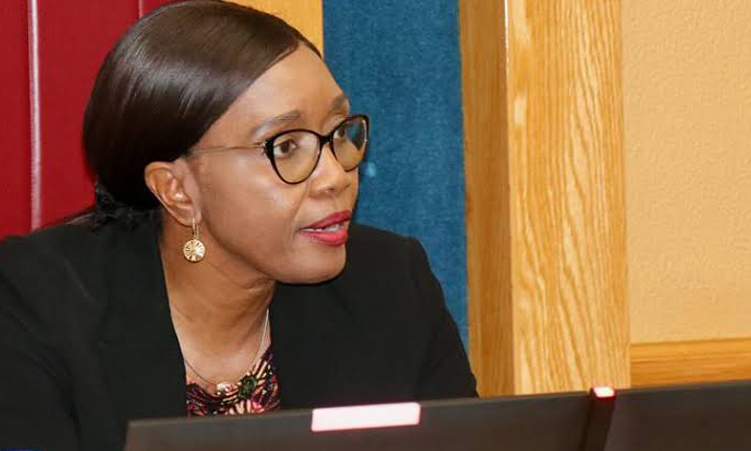
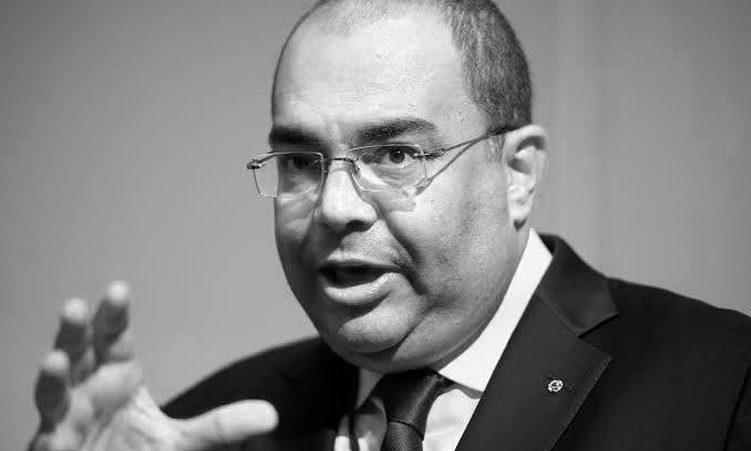
- Mahmoud Mohieldin is Egypt’s high-level climate champion for COP28 in Dubai; Bogolo Kenewendo is a special advisor and Africa director for the UN high-level climate champions; Reuben Wambui, climate finance expert at the Net-Zero Africa Initiative
– Copyright: Project Syndicate, 2023