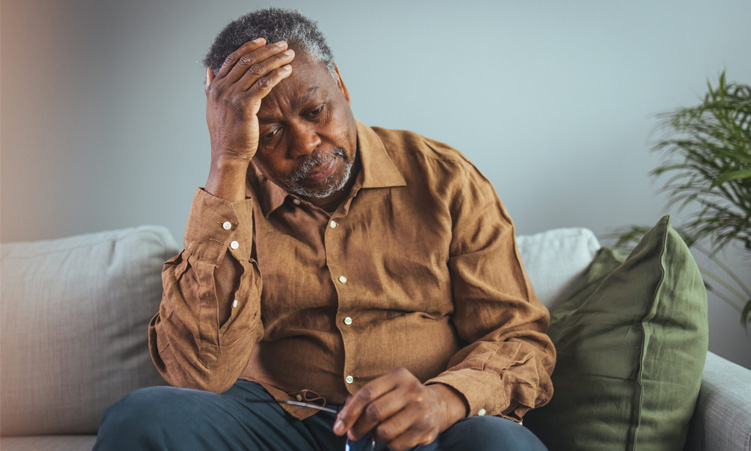
“I don’t feel as energetic as I used to, I never get enough sleep.”
This is a sentiment commonly mentioned by men and women across southern Africa who are quietly facing major midlife hormonal changes.
Women have begun to discuss menopause more openly, but men remain far less likely to speak about andropause.
Hormonal changes almost mimic moving to a new country after 40; you are adjusting to a completely different environment, weather, culture and routine. Hormonal changes disrupt what was once familiar in your body and mind, requiring patience, adaptation and support to feel like yourself again. That’s how significant they are.
From a broader perspective, this imbalance is not just surprising, it matters a lot. Hormonal shifts in midlife bring real physical and emotional changes for both genders.
It is time to include andropause in the same conversation as menopause.
For women, menopause means the end of menstrual periods, usually between ages 45 and 55. As estrogen and progesterone levels fall, many report hot flushes, mood changes, poor sleep and memory difficulties.
Studies in South Africa, Zimbabwe and Uganda have shown that these symptoms affect everyday life, and women are increasingly sharing their experiences in the media, support groups and clinics.
Men experience a similar transition known as andropause or male menopause. Beginning around age 40, testosterone gradually declines. Many men notice reduced energy, lower sex drive, mood fluctuations, weight gain and trouble focusing.
Research in Nigeria reveals that almost half of men surveyed had little understanding of andropause, even though most experienced its symptoms.
Local culture often treats hormonal changes as private topics. A recent survey across 33 countries showed that 63% of South African women felt comfortable talking about menopause, while just 48% of men felt ready to discuss andropause. This silence prevents both genders from seeking the support and care they need.
On a global scale, tools like the manual at-home hormone test give men a simple way to check their testosterone levels in a lab. This opens the door for men to talk to their doctors and make important lifestyle or medical adjustments.
Meanwhile, awareness of hormone replacement therapy (HRT) for women remains low across southern Africa. A South African study found only 7% had heard of HRT and none had access to it. It is time to change the conversation.
Hormonal changes in midlife should be discussed openly. Men and women deserve clarity. Friends and family should encourage one another. Local healthcare services should offer tests and guidance. Eating a balanced diet, exercising regularly, and ensuring proper rest all support healthy hormones. Men can start consulting their doctors on possible treatments. Women should ask about menopause treatment options they may never have known existed.
Hormonal transitions are a natural part of life. They are not failures or decline.
With awareness and support, they can inspire growth, connection and strength. Let us normalise these conversations and support each other, because understanding promotes well-being.
– Kagiso Moloi is an oral surgeon