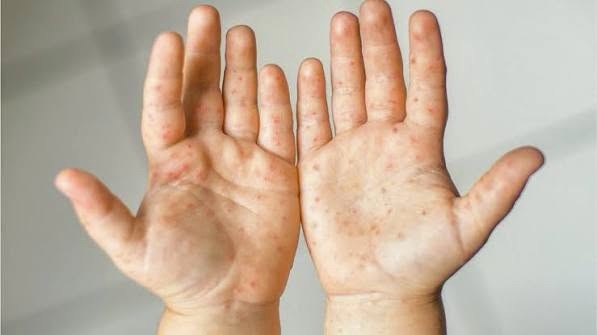
The Ministry of Health and Social Services has warned the public against confusing foot-and-mouth disease (FMD) which affects animals, with hand, foot and mouth disease (HFMD) which commonly affects children.
The warning follows the detection of HFMD in 19 pupils at J&W Mouton Primary School on farm Karanas near Rehoboth in the Hardap region this week.
The school’s principal, identified only by his surname as Saptow, informed parents of the cases in a letter issued on Tuesday.
Saptow says health ministry officials visited the school after pupils developed symptoms. He says health officials screened the affected pupils and provided medication to those who were ill.
“As the disease is contagious among children, the ministry has instructed that the 19 infected pupils be isolated at home for two weeks to allow them to recover and prevent further spread,” he says.
Parents of the affected pupils have also been informed to arrange transport for their children to be collected from the school hostel.
Saptow in the letter urges parents to prioritise their children’s safety and well-being before they return to school.
The reported cases have raised public concern, with some people confusing the two. However, the ministry says the two diseases are different.
FMD is a highly contagious viral disease affecting cloven-hoofed animals, including cattle, sheep, goats and pigs. It does not cause the human illness known as hand, foot and mouth disease, the ministry says.
It says HFMD is a contagious illness that mainly affects young children and can spread through close contact with infected people and contaminated surfaces.
“FMD is a viral illness that affects animals, while HFMD is a viral illness that mainly affects young children. Although their names sound similar, they are caused by different viruses and affect different populations,” the health ministry says in a statement issued on Thursday.
The ministry urges the public to spread awareness, share accurate information and help communities understand the difference.
The Ministry of Agriculture, Fisheries, Water and Land Reform, in a statement issued on Thursday, also clarifies the confusion. It says FMD is a highly contagious viral disease that primarily affects cloven-hooved animals, including cattle, sheep, goats, pigs and certain wildlife species, and does not affect humans. Clinical signs include fever and loss of appetite.
HFMD, meanwhile, is a separate viral illness that commonly affects infants and young children, although older children and adults can also contract it. Symptoms may include fever, a sore throat, painful sores or ulcers inside the mouth, and a rash or blisters on the palms of the hands and soles of the feet. Skin lesions may occasionally appear on other parts of the body.
It says that HFMD is not caused by FMD in livestock and is not the disease being addressed by the Directorate of Veterinary Services.
“The current FMD outbreak in livestock in Namibia is unrelated to HFMD in humans, and FMD does not cause HFMD in people,” the ministry says.
Parents are urged to follow guidance from the health ministry on managing HFMD and preventing its spread.