






The Namibian government has set a target of a 3.5% sport contribution to the employment sector under the sixth National Development Plan.
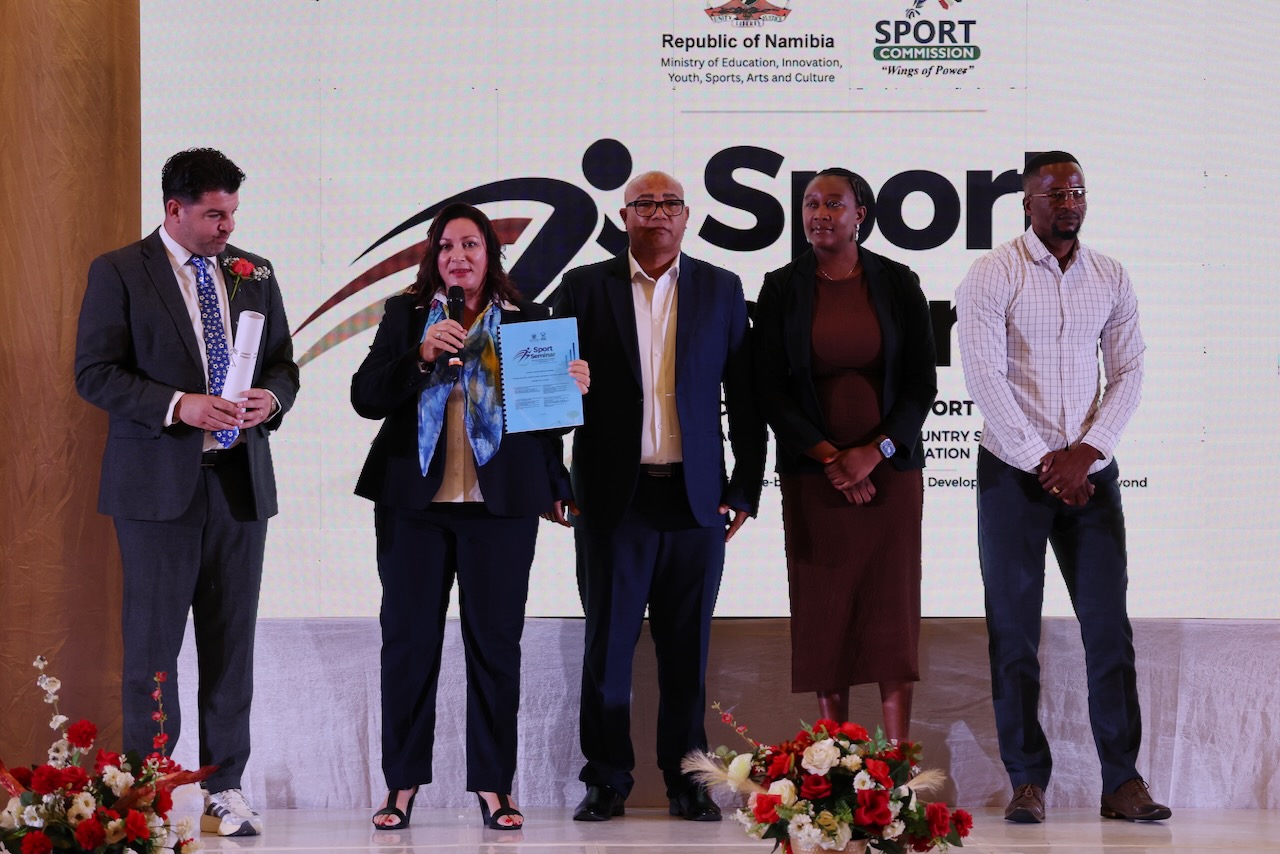
Minister of education, innovation, youth, sport, arts and culture Sanet Steenkamp said this at a sport seminar yesterday, titled ‘Unlocking Namibia’s Sport Economy’, which also served as a platform for the launch of the Namibia Country Sport Profile research publication.
“Under the fifth National Development Plan, we set ourselves the ambitious target of having sport contribute 2% to employment creation. While we have not yet fully realised that target, our resolve has not wavered, indeed, it has grown.
“As we move into NDP6, we are setting our sights higher still, projecting that the professionalisation of sport will contribute 3.5% to Namibia’s employment sector.
“This is a deliverable we intend to honour, and we are backing that intention with resources,” she said.
Steenkamp said her ministry allocated N$327 022 000 towards the development and promotion of sport. This allocation comprises N$103 422 000 as the operational budget, and N$223 600 000 as the development budget.
“This investment must, and will, yield results we can all be proud of: jobs created, careers launched, and lives transformed through sport.
“Professionalisation will ask more of us than funding alone. It calls for sound frameworks, close inter-ministerial collaboration, and genuine corporate partnership,” she said.
“It calls on us to carry forward the revision of the Sport Act, a process under review since 2017, to a successful conclusion. It calls for policies that protect our athletes’ rights and recognise sport as legitimate labour. And it calls for governance structures that uphold transparency, integrity, ethical leadership and accountability at every level,” she said.
Steenkamp said the government remained the largest funder of sport in Namibia and called on the corporate sector for increased sport funding.
“This is an area where I believe we can, and must, do better together. We should explore purpose-built financial instruments, athlete development grants, sport venture capital, facility investment funds, and tax incentives that encourage private equity to enter our sector.
“We should give serious consideration to a national sport levy, following the example set by other African nations. And we must operationalise the sport development fund so it can support the infrastructure and employment creation professionalised sport requires.”
Done well, Steenkamp says commercialisation means sport can meaningfully contribute to the country’s gross domestic product.
“It means Namibian sport becoming an export of pride, with our athletes and our events drawing international attention, and investment, back to our shores,” she said.
Namibia Country Sport Profile was done in collaboration with the United Nations Educational, Scientific and Cultural Organisation while the Namibian research team was led by Irvine Ndjavera and included Simon Uusiku, Ndawana Haitembu and Sofia Simon.
Steenkamp said the country profile was a call to action and committed her ministry to the following action in pursuit of sport reform: structural realignment, prioritising the review and amendment of the Sport Act and Sport, drafting policies, creating sport governance standards, investing in data infrastructure through the operationalisation of the Namibia Sport Development Index and an integrated sport data management system, developing commercialisation strategies that attract private sector investment, and promoting professionalisation that creates jobs, builds careers, and gives due recognition to sport’s contribution to Namibia’s economy.