




AS one of the driest countries south of the Sahara Desert, Namibia faces unique water security challenges.
Gondwana Collection Namibia operates its eco-sensitive lodges within landscapes of intricately connected communities and ecosystems, where water is life.
Since 2010, when the first wastewater treatment plant was installed at Namib Desert Lodge, 90% of Gondwana Collection’s lodges have followed suit; with Zambezi Mubala Camp in the process of setting up their system and Omarunga Epupa Falls Camp scheduled for next year.
These systems enable wastewater recycling, which has helped reduce overall water consumption by more than half – a key achievement aligned with our environmental strategy.
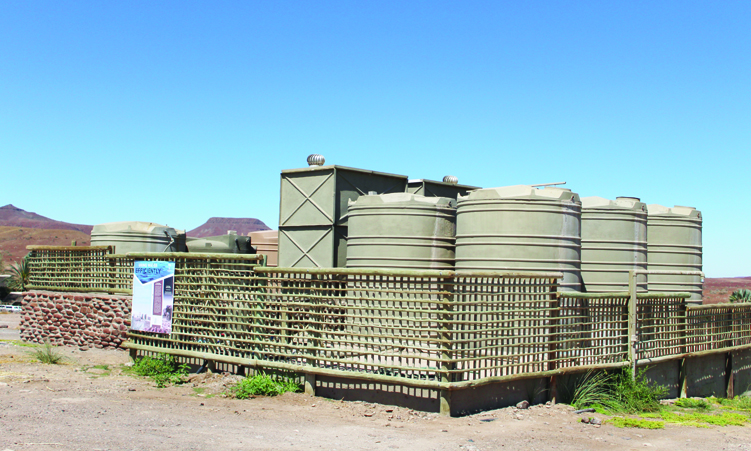
Built in-house by Gondwana Collection’s technical team, the system collects all wastewater from guest rooms, laundries, and kitchens, and runs it through a multistage natural filtering process.
In the first stage, effluent enters the main drainage system where soluble and insoluble solids are separated, as well as non-biodegradable debris is removed.
Up next, the stream flows into a tank where anaerobic bacteria – micro-organisms that thrive without oxygen – start breaking down the biodegradable solids.
This marks the first significant cleaning. The remaining, semi-treated solids are pumped into a vertical filtration tower.
Here, the water passes through layers of mesh media that are home to aerobic bacteria – the kind that thrive with oxygen – along with algae, that metabolise methane, ammonia, and other waste produced in the anaerobic tank, further purifying the water and removing odours.
The final stages include a settling tank where any residual particles are filtered out.

Every day, these sediments are flushed through the system again. A chlorine floater in the holding tank finishes the job, and the water is then used for irrigating lodge lawns and indigenous gardens.
These systems are monitored daily by lodge staff to ensure healthy bacterial cultures and optimal recycling continues. Water usage is further recorded and monitored digitally through an online, interactive platform, allowing real-time efficiency tracking across all lodges.
Since 2020, Gondwana Collection’s water use per person per day has dropped from 901 to 588 litres.
Environmental education and awareness is a cornerstone of this commitment, empowering both lodge staff and guests to be eco-conscious residents and travellers.
At Namib Desert Lodge in the Namib Desert, recycled water even helps to recharge the underground aquifer, a vital source of life in one of Namibia’s driest and most sensitive ecosystems.
It’s about more than just reducing freshwater reliance on the environment, but about fostering a culture of regenerative tourism as we give back to nature what belongs to nature.
At Gondwana Collection, water recycling isn’t just part of the process, it is the process.
Gondwana Collection’s water sustainability initiatives are closely aligned with the sixth United Nations Sustainable Development Goal: clean water and sanitation.
Even after a good rainy season this year, our focus remains clear: ensuring that both people and nature can access the water they need, now and in the future, without compromising guest experiences nor ecosystem health.
Gondwana Collection’s water recycling systems are more than just a technological success; they demonstrate our commitment to enhancing ecosystems while enriching the traveller’s experience by moving beyond sustainable tourism in Namibia.