The Government Institutions Pension Fund could lose N$815 million invested in a South African fund if a court decides against the company in which the money was invested in a tax dispute involving the South African Revenue Service.
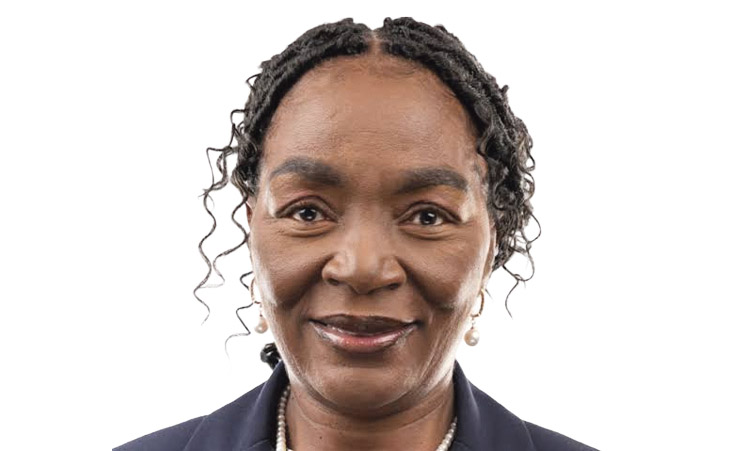
Minister of finance Ericah Shafudah said this in the National Assembly on Thursday, while responding to questions from official opposition leader Imms Nashinge.
The minister said the Government Institutions Pension Fund (GIPF) had recorded N$922.2 million in impairment provisions in its 2025 annual financial statements, including N$815 million linked to the entity Signal Structured Finance Fund (SSFF).
“The GIPF has not lost the amount in question,” Shafudah said, explaining that the provision was a precautionary accounting measure reflecting uncertainty over the recovery of certain investments.
She said the exposure arose mainly from a SARS tax claim against a company in which SSFF had invested the fund’s money.
She said the dispute remains before South African courts, and no final determination has been made.
“Should the SARS claim succeed, the GIPF could lose the N$815 million invested,” Shafudah said.
The disclosure is said to have raised questions about the risks associated with the fund’s offshore investments and the safeguards protecting the retirement savings of thousands of public servants.
The GIPF is Namibia’s largest pension fund, with about 110 000 active members and 50 000 pensioners.
Shafudah explained the impairment did not mean an actual loss had been realised and that the provision could be reversed if the circumstances surrounding the investment improved.
ACCOUNTABILITY
Nashinge last week sought details about the reported investment losses of last year, the government’s oversight role, and on who would be held accountable.
Shafudah clarified that the GIPF does not operate under the Ministry of Finance but is supervised by the Namibia Financial Institutions Supervisory Authority (Namfisa).
“Accountability for investment decisions therefore rests with the board of trustees,” Shafudah said.
She said Namfisa conducts routine inspections to assess the fund’s risk-management practices and compliance with regulatory requirements, while investment performance, risk exposure and compliance are reviewed quarterly.
The fund’s investments are also subject to independent valuations and external audits.
Despite the exposure, Shafudah reassured the National Assembly that the fund remained financially sound.
“The GIPF, owing to its robust investment strategy, continues to generate sound returns for the benefit of its members,” she said.
The fund recorded net investment returns of N$18 billion in the 2024 reporting period and N$16.7 billion in 2025.
Shafudah further reported that GIPF assets had grown to N$204 billion by December 2025, with a funding level of 119.69%.
This means the fund held approximately N$1.20 in assets for every N$1 owed to members.
In response to Nashinge’s request for a detailed account of international investment performance over the past three financial years, Shafudah said the ministry would request a consolidated report from the GIPF and provide it to the MP upon receipt.
She said the matter would not be concealed from public scrutiny, saying the fund’s annual integrated reports were public documents presented to parliament and published on its website.