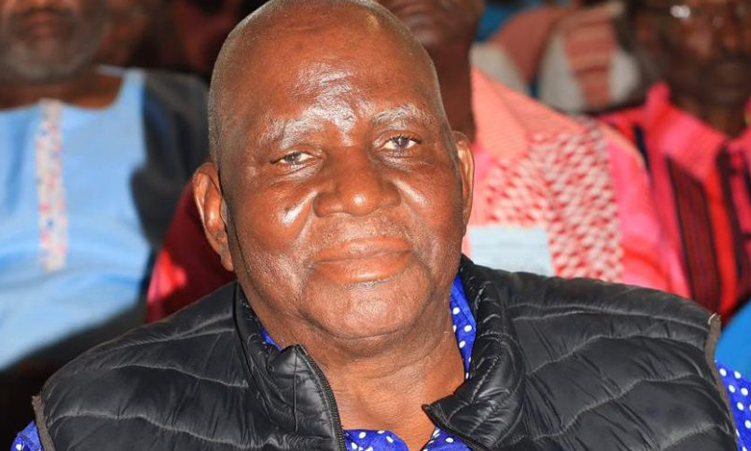





Esegeel Kondombolo first noticed he had an addiction problem when he started neglecting his family and responsibilities.
What started as a form of relaxation activity quickly turned into a 22 year addiction that cost Kondombolo (56), two jobs.
Kondombolo, a Windhoek resident, was struggling to break free and would often sneak out during work hours to satisfy his addiction.
“I started to neglect my family and neglect my responsibilities too,” he says.
Kondombolo says although he had noticed the problem, he was in denial.
“I always thought I would gain from it, but it was only a lust at the end of the day,” he says.
He says he only realised that he needed help after engaging with social workers from the Ministry of Health and Social Services.
“Through the social workers of the ministry, I have admitted that this is a problem. I have told them that the problem of misunderstanding in the family is caused by this problem of gambling,” he says.
From his experience, Kondombolo says he realised gambling results in losses and can damage family relationships.
“There was this problem between me and my wife. And this had continued. Trust was lost,” he says.
Kondombolo says he is now grateful for the support he received through the health ministry.
Namibia Development Trust Fund (Namdef) this week hosted a multi-stakeholder conversation on responsible gambling in Windhoek aimed at strengthening cooperation among key stakeholders and developing recommendations to address gambling-related harm and promote responsible gambling in Namibia.
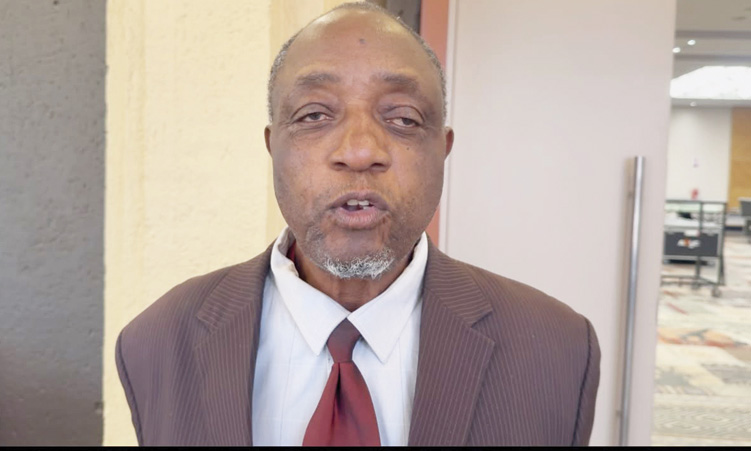
Speaking during the engagement, Kondombolo said gambling is often misunderstood as a harmless activity but it can lead to serious consequences.
Clinical psychologist at the health ministry, Gisela Kalipi says gambling rarely presents itself on its own when people seek treatment.
“We’ve noticed that clients hardly come in for gambling alone. It will always be a presentation or a mix of some kind of substance-related complaint or concern, and then gambling would form as a co-operative condition,” she says.
Kalipi says this makes gambling-related harm difficult to identify early, especially as it is often normalised and increasingly accessible through digital platforms.
“With all this access to digital gambling that is starting now, it makes accessibility very easy,” she says.
She says people often only seek help once significant harm has already occurred.
“Clients only present when there’s been harm done, severe harm done already, when they have clinical impairment or have suffered significant financial loss,” she emphasises.
South Africa Resposible Gambling Foundation assistant manager of treatment services, Alpheus Matlata says Namibia is in a stronger position because the ministry of health is actively involved in addressing gambling-related harm.
He says collaboration between stakeholders could support the development of a national self-exclusion system to help people restrict their access to gambling.
Ministry of Environment and Tourism chief administrative officer Vataaupi Kauuova says addressing gambling harm must also include action at household level, where families can help identify affected individuals.
He says anonymous reporting systems could support earlier intervention.