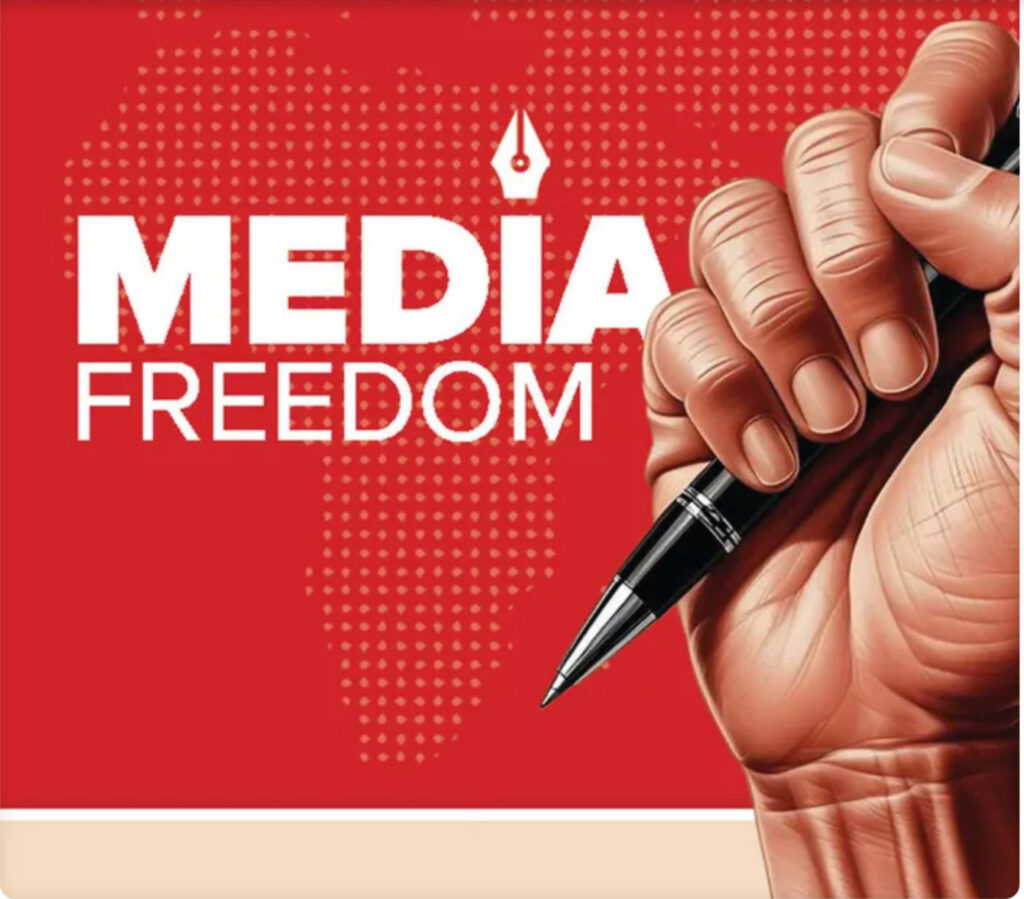
On World Press Freedom Day, the conversation often centres on journalists’ rights and the necessity of an independent press. Yet an equally urgent question lingers beneath the surface: who owns the platforms through which our voices are carried?
Across Africa, local governments are at the frontline of service, engagement and trust. They must inform, listen and respond. Yet many rely almost entirely on external media to reach citizens. This dependence introduces fragility, limiting consistent public information and communities’ ability to see themselves in their own narratives.
To be truly responsive, municipalities must evolve their integrated development plans.
Each plan should address not only roads, housing and utilities, but also a clear strategy for owning media assets. Community radio, digital platforms, local broadcasters and public information systems must be treated as essential infrastructure, not add-ons.
The reason is simple but profound: the media is more than a tool of communication; it is an instrument of power. It determines how citizens are informed, how misinformation is challenged and how governments are held to account.
It shapes civic participation and often fuels local economies through creative and digital industries.
When municipalities build their own media, the benefits go far beyond messaging. Grassroots democratic participation grows as citizens get clearer, direct access to information.
New jobs arise in journalism, content creation and digital innovation. Most importantly, communities tell their own stories in their own voices, free from distortion or omission.
Africa’s development trajectory cannot be fully realised if its narratives, priorities, and aspirations continue to be mediated primarily through external lenses.
Ownership of media platforms is not a luxury; it is a prerequisite for authentic representation and sustainable progress.
This moment demands a shift in policy.
Media infrastructure must be part of development planning and recognised as a core public service alongside water, energy and transport. Communication should be foundational in governance, not an afterthought.
On this World Press Freedom Day, let us remember that freedom of expression is not truly realised until we also secure ownership of the platforms that carry our voices. Now is the time for action: let us claim the means to tell our own stories and shape our futures.
Municipal leaders, policymakers, and stakeholders must now commit to embedding media development and ownership as a core strategy in local governance. Let us take concrete steps – through policies, funding allocations, and community engagement – to ensure that every municipality has the means to inform, represent, and empower its citizens through truly local media ecosystems.
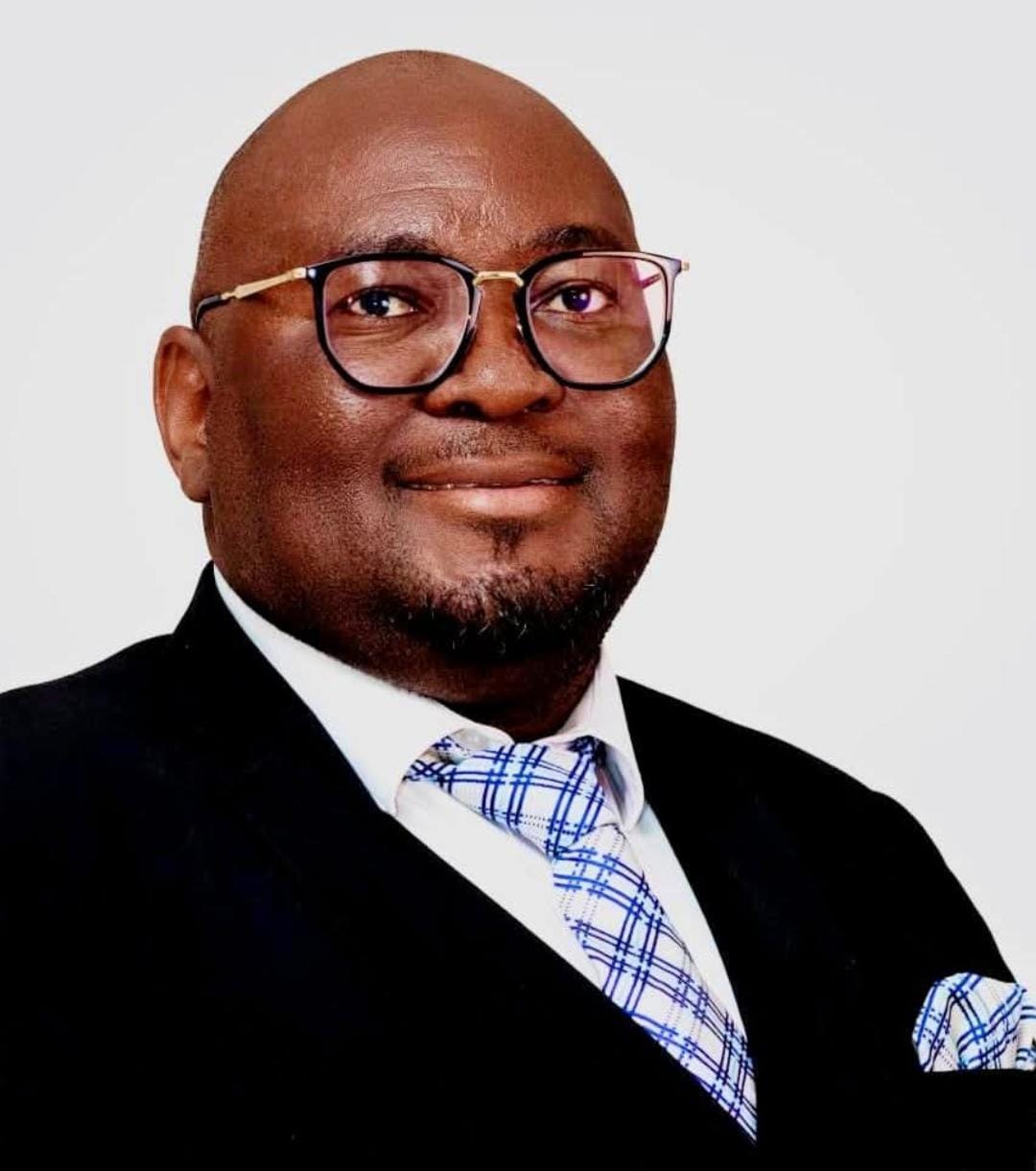
– Ayanda Holo is the president of Brics Africa Channel