






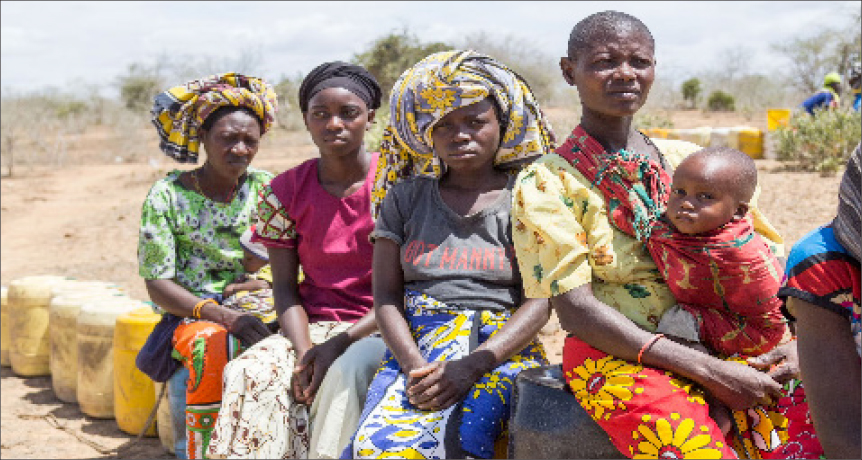
Like many other parts of the world, Kilifi – a largely hot and humid county along Kenya’s coast – is grappling with the effects of climate change and deforestation. Rising air temperatures, recurring flash floods and prolonged droughts are now frequent in this semi-arid region, threatening food security and affecting human health.
“Sometimes it’s very, very hot,” says Kenneth Miriti, the county’s reproductive health coordinator, and there’s little respite from the heat at night, he adds. Poorly ventilated houses make the problem worse.
Among those particularly vulnerable are pregnant people.
For nearly a decade, Miriti has seen many miscarriage cases and pregnancy complications due to the high prevalence of anaemia in the region, lack of access to clean water, and poor health education and access to care. But only recently has his team begun to make connections between adverse maternal health outcomes and higher-than-usual temperatures in the region.
“We as healthcare providers had never thought of heat as one of the contributing factors.”
NEW PERSPECTIVES
In 2021, Miriti participated in a study that documented the perspectives of public health officials, community healthcare workers and leaders, and pregnant women and their family members on how extreme heat in Kilifi was impacting mother and child health. While pregnant women describe experiencing heat exhaustion, including feeling dehydrated, dizzy, fatigued and irritable, Miriti points to the discomfort pregnant patients felt when visiting healthcare facilities that lacked cooling.
Researchers across the globe are finding that extreme heat increases the likelihood of babies being born early and weighing less than 2 500g, the threshold below which newborns may experience health complications. Exposure to rising temperatures can also heighten stillbirth risks, where a baby could die in the womb at or after 20 weeks of pregnancy.
“That concerns me a lot,” says paediatric hospitalist Lisa Patel. She worked two of her busiest shifts in the summer of 2022, attending to pregnancy complications when record-breaking heatwaves hit large parts of California. “With the number of hot days increasing, it is something all obstetricians and gynaecologists should know about in terms of caring for their pregnant patients.”
While heat can affect all people, it’s especially dangerous for pregnant women.
Their body already works hard to maintain a normal core temperature, but to cool down in very hot conditions requires much harder work. That means pregnant people are at a greater risk of dehydration and heat strokes.
Scientists expect pregnancy outcomes to be worse when humidity accompanies high temperatures. The high humidity makes it more difficult for sweat to evaporate, so the body’s natural cooling system doesn’t work as well.
“If you overheat very early in conception, you can risk having a birth defect in your child,” says environmental epidemiologist Sari Kovats. “That’s why pregnant women are told not to go to a sauna.”
As temperatures rise, more blood flows close to the skin to initiate heat loss, but this can cause a reduction in blood flow to the placenta. Consequently, the foetus may not receive sufficient oxygen and nutrients, which can restrict the baby’s growth or trigger early labour.
Inadequate placental blood flow could also induce another complication called preeclampsia, a high blood pressure condition that develops during pregnancy and may be dangerous for both the mother and baby.
In a study involving pregnant farm-working women in rural Gambia who frequently experienced extreme heat, early findings indicated reduced blood flow to the placenta and higher-than-normal foetal heart rates. The researchers estimated a 17% increase in the risk of such foetal strain for every 1°C rise in temperature, while calling for more detailed research on pregnancy outcomes following heat stress.
“If you remove pregnant women from the heat, you remove the health risk,” Kovats says. But that’s not always possible when women have to work outside to make a living. “It’s about inequality and women who don’t have access to cooling; it’s about pregnant women who have to work in the heat; it’s women who can’t fetch water except during the day due to the risk of violence.”
COMBATING HEAT AND HEALTH RISKS
In Kilifi, Africa International University medical anthropologist Adelaide Lusambili and her colleagues are working with the community to develop interventions for uplifting maternal health. These include addressing issues of water scarcity, raising awareness about staying hydrated and reducing workloads during pregnancy, constructing better ventilated homes and cooling spaces in healthcare facilities.
The ultimate goal must still be to mitigate extreme heat fuelled by climate change, a global issue that affects us all.
“We know heat is an environmental hazard, like air pollution, that needs to be managed,” Kovats says.
A holistic and equitable approach, combining the reduction of greenhouse gas emissions with adapting our surroundings, is essential.
Protecting health – particularly maternal health – against these climate-related changes requires global commitment alongside practical, localised action.
– BBC Earth