



Former Khomas Athletics Club 400m sprinter Thobias Akwenye is living proof that hard work pays off.
The Windhoek-born star’s exploits on the track, which qualified him to represent Namibia internationally at junior and senior levels, earned him a scholarship to study at Brigham Young University in the United States.
“I am blessed to be where I am now, and it’s because of the opportunities track and field provided me – sport is all about connection. When I went abroad on a track scholarship, we were two Namibians that went, Mao Tjiroze and I,” Akwenye says.
“Mao was like a big brother to me. We have remained friends through all these years, and as a godparent to my children we still have a close relationship. I have met so many people through my track and field travels that some have even visited Namibia.”
The retired sprinter says he would like to be remembered as a competitive Namibia athlete that gave his all while cheering for his teammates.
Football’s loss was definitely athletics’ gain as Akwenye actually grew up playing football, following in the footsteps of his late father Ferre Akwenye and two brothers Harold and Nelson Akwenye.
“Football was my first love. I briefly trained with Tigers FC but never played a competitive match as there were logistical challenges. I was at the boarding school at Windhoek High School and there wasn’t a football team so track was the next best thing,” he says.
“It was definitely worthwhile joining athletics because I recorded personal best times of 10.22 in the 100m and 20.74 in the 200m. I represented Namibia at junior level, multiple Universiade Games and at senior championships at the All-Africa and Commonwealth Games.”
Akwenye earned All-American honours while competing for Brigham Young University, where he helped the 4x100m relay team place third nationally.
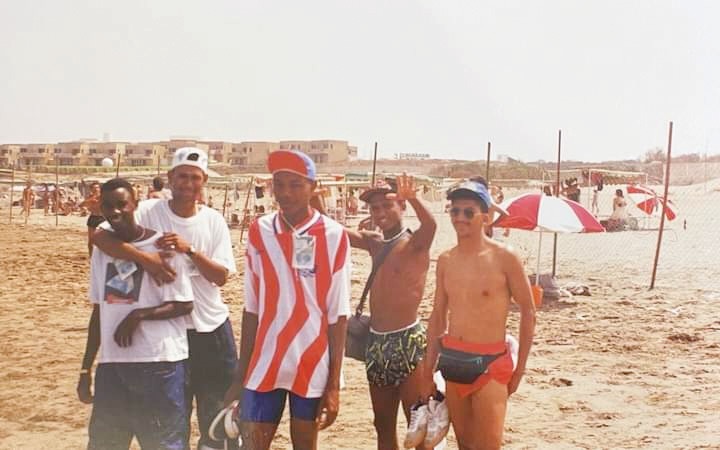
He was also part of Namibia’s 4x100m relay team that set the national record of 39.48 in 2001, which has since been shattered by Even Tjiviju, Hitjivirue Kaanjuka, Dantago Gurirab and Jesse Uri-khob with a time of 39.22 at the African Games in 2015.
Akwenye, who also excelled in the 400m, says his running style is characterised by speed, tactic, skill and technique.
“I had to work on all of them to be competitive. Some athletes are very gifted with a specific talent and don’t need to do much on others, but I had to work on all of them,” he says.
“Speed can come naturally. But to make it to the next level, you have to work on tactical ability and technique. When competing at a high level everything becomes important – your nutrition, your habits outside of track, etc.”
He says he looked up to long-distance runners like Moses Maasdorp, Vilho Namufinda, Joseph Tjitunga, and Elizabeth Leino, who had paved the way in the junior ranks and were like big brothers and sisters to him.
“Getting to represent Namibia was the highest honour. The pride of wearing your national colours was overwhelming. Most importantly, representing your country abroad and talking about it is the best feeling. Something that I still do today,” Akwenye says.
“As for my best tournament for Namibia, it is very hard to single out any because each event was special. But if I had to pick, I would say the All Africa Games in Abuja, Nigeria, the Commonwealth Games in Malaysia and the NCAA Championship in Boise, Idaho.”
The former sprinter says he does not have any regrets having been an athlete.
“I enjoyed every minute of it,” he says. “Even through heartbreak, loss, injuries or failure to qualify, those might hurt in the moment but in the overall scheme it has been a privilege to do what I love.
“Dedicating almost a decade to this craft – I am more than happy. I am thankful for the opportunities this country has given me through sport.”
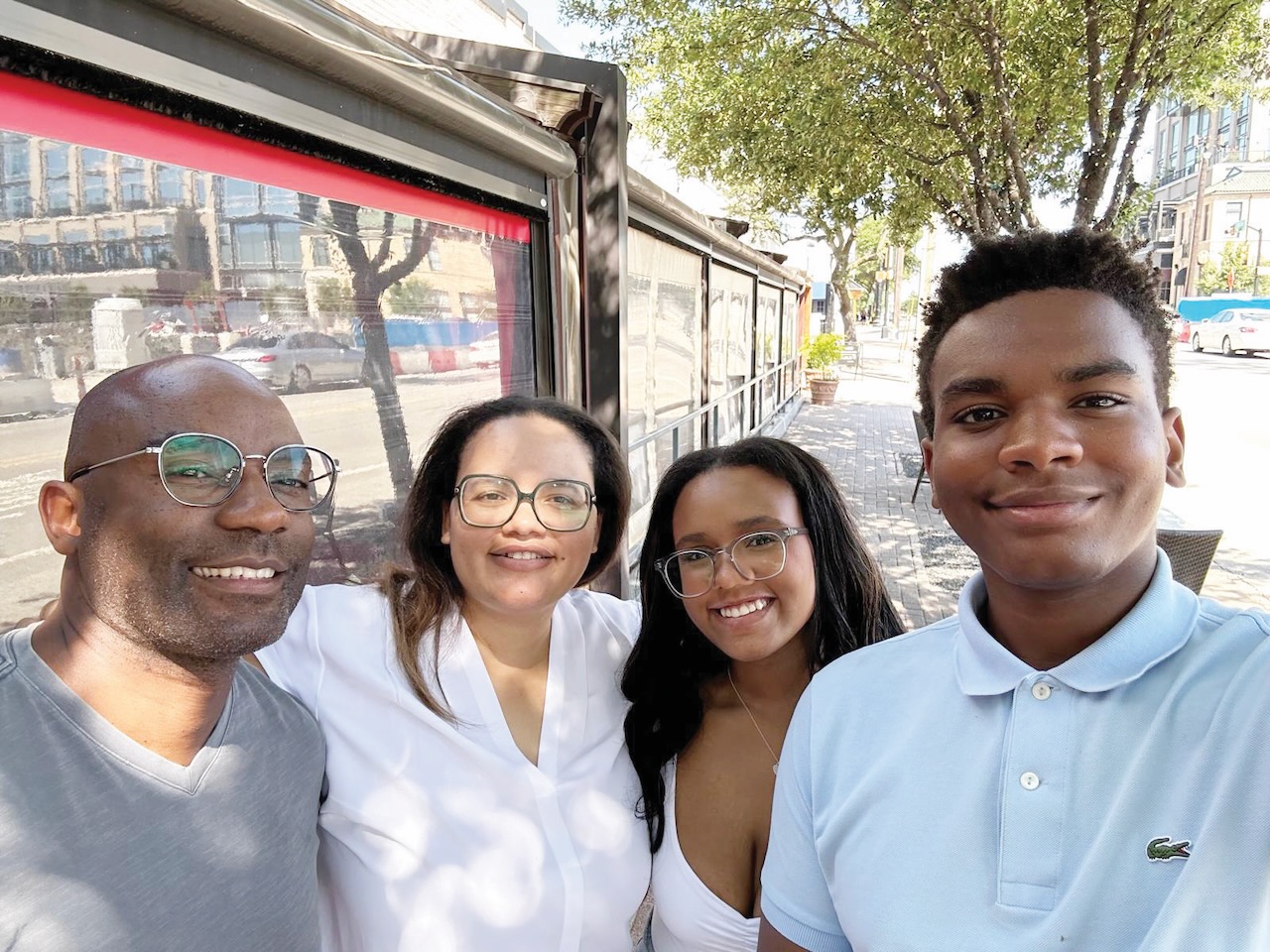
The sprinter is married to Audrey Akwenye, with which he recently celebrated their 20th anniversary. They have two children, Nanyu and Athena.
Akwenye works in the finance sector. He wakes up at 04h00, hits the gym by 04h30, and is at work by 07h00.
“I lived for myself for a very huge part of my life, but now it’s all about the people around me. I hope that I do right by them and more importantly, that they see me doing right by them,” he says.
Akwenye mentions Namibia’s four-time Olympic silver medallist, Frank Fredericks, as the person with the biggest influence on his career.
“He set the bar and blueprint for us to follow. His four silver medals at the Olympic Games speak volumes. He also won gold medals at the World Championships and World Indoor Championships.
“There were also other athletes like Zepee Mberiuana and Imms Kharigub who went to study abroad through track and field scholarships that were big influences. As far as competitors, I always regarded myself as my biggest challenge. I was always out there to push myself to my limits,” he says
Akwenye, who misses the competitiveness of pushing the limits of his body physically, says young athletes should enjoy the privilege and opportunity to do athletics.
“Give it your best, more importantly, set goals for yourself as to where you want to be in this sport over the next five years. Where do you want to be at the end of your career because we can’t do the sport forever?”