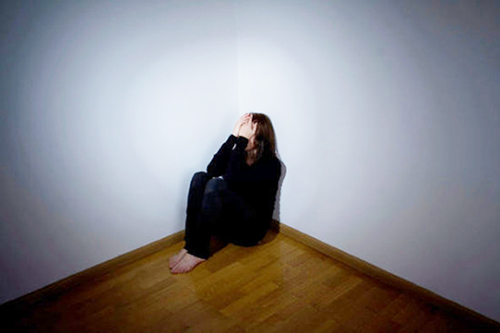
A recent security breach at State House, the fatal shooting of a man with a mental illness by the police and reports that nurses fear for their safety are not isolated.
They are symptoms of an ailing health sector and a leadership in denial.
In essence, we are in the throes of a crisis.
What kind of society allows its most vulnerable to go without?
Too many patients do not have access to the treatments and basic medication that help keep them stable.
In October last year, health minister Esperance Luvindao announced that 91 500 patients had sought outpatient mental health care in 2024/25 and that 11 400 were admitted to hospital.
These are major numbers.
If not dealt with, we risk intrinsically damaging the fibre of our society.
The cost of not treating mental illness does not stay in our hospitals. It is not bedridden; it affects families, communities and workplaces.
The introduction of the mental health bill in October 2025 to repeal the archaic Mental Health Act of 1973 is a necessary step towards modernisation.
By aligning with international human rights standards and shifting towards community-based care, the bill promises a departure from the asylum mentality of the past.
However, as the minister prepares to table the amended version next month, we must face a hard truth: laws do not treat patients, people do.
While the parliamentary opposition’s amendments to five key clauses are vital for checks and balances, the legislative process is moving at a snail’s pace, allowing the reality to go untreated.
As a nation, it is imperative to confront administrative decay within the ministry of health.
It is an open secret that alleged procurement irregularities have often taken precedence over patient dignity.
We do not necessarily need more money; we need to root out the rot.
We need lifestyle audits for procurement officials who become overnight millionaires while psychiatric wards lack basic security and, at times, proper medication.
A public health system that primarily serves the elite but leaves the rural poor to suffer undiagnosed is a failure of the social contract between a government and its people.
The current state of affairs is a double-edged sword.
It affects both the providers and the vulnerable.
Our healthcare workers operate in high-stress environments without adequate security or therapeutic support.
In some cases, nurses have cause to fear for their lives, as reported this week.
To be mentally ill in Namibia is to be stripped of dignity.
Patients requiring restraint are often not handled humanely, exacerbating their trauma.
In some cases, patients are sent back into communities without medicine or support.
In other cases, they are accused of witchcraft, or are labelled crazy by those who don’t understand mental illness.
Let’s start with what we have.
This requires immediate security audits to fortify psychiatric wards, ensuring both patient safety and public security.
Furthermore, we need to prioritise police training that integrates mental health crisis intervention as a core competency to prevent injuries or further death.
Finally, we need to appoint professionals who will prioritise clinical outcomes over tender allocations.
The tragedy of Giano Seibeb, the man found naked at State House, and of the man who was shot dead at Otjiwarongo should be the final wake-up call.
If we treat mental health as a secondary concern, we are not just failing the vulnerable, we are compromising the safety of our society.
The time of going through the motions is over.
We need to act before the next tragedy becomes unavoidable.