The Electricity Control Board (ECB) has threatened to revoke electricity distribution licences from underperforming municipalities and regional councils and hand networks to operators with proven technical and financial capacity.
The warning follows an audit that found widespread non-compliance across Namibia’s power infrastructure. The audit focused on audited transmission, distribution and supply networks across all 14 regions under section 37 of the Electricity Act 4 of 2007.
The ECB’s National Electricity Infrastructure Status Report for 2024/2025, released on Monday, indicates that nine distribution licensees were audited, with most networks rated poor due to inadequate implementation of the Namibia Electricity Safety Code and substandard maintenance.
The ||Kharas region carried the highest risk of continued non-compliance, followed by the Hardap and Omaheke regions.
Regions served by regional electricity distributors (REDs) generally outperformed council-run areas, the report found. Only the Khomas, served by the City of Windhoek, and Otjozondjupa, served by the Central North Regional Electricity Distributor (Cenored), regions were rated satisfactory among council-linked regions.
The ECB says it would intensify audits of ageing infrastructure using the Namibian Electrical Distribution Network Asset Register and formally notify local and regional councillors and the Ministry of Urban and Rural Development of recurring non-compliance for remedial action.
It has also renewed calls for the operationalisation of two planned regional distributors, Southern RED and Central RED, urging the ministry to press local authorities unwilling to join the companies to do so.
The ministry was called on to make budgetary provision for network maintenance and to place qualified electricians in under-capacitated councils.
At the same time, the Ministry of Industries, Mines and Energy was urged to release National Energy Fund money to support council-run networks and coordinate funding with development ministry.
According to the report, the capacity concerns extended beyond council-run networks.
Among seven mines audited as large power users, Namdeb accounted for more than 55% of all non-compliance findings in the mining sector, which the ECB linked to ageing infrastructure and insufficient maintenance.
Thirteen farmer-run electricity schemes were also audited, with eight, which is more than 60%, rated poor. Inspectors recorded 300 non-compliance issues across the schemes, comprising 82 low-risk, 120 medium-risk and 98 high-risk findings, which the ECB attributed to capacity, ownership and governance challenges.
The Namibia Power Corporation’s transmission network, audited in the Ohangwena, Omusati, Oshana and Oshikoto regions, was the only category rated satisfactory with low risk across the board.
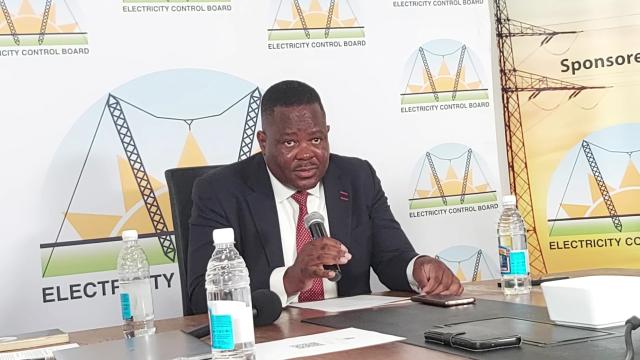
ECB chief executive Robert Kahimise says the report highlighted where the weaknesses lay.
“The report is honest about where the weak spots are, especially in areas where electricity is run by local councils rather than by a dedicated company,” Kahimise says.
– Nampa