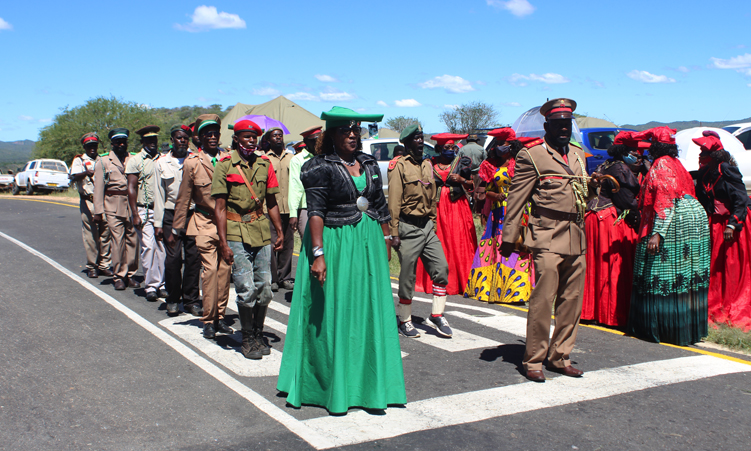
Culture is a way of life. It includes our languages, food, clothing, music, dance, stories, beliefs, and values. It is passed from parents to children and teaches us where we come from.
For the Namibian youth, culture is not just history; it is identity. Understanding culture is important for every Namibian child. When young people know their traditions, they understand their roots and develop pride in who they are.
A child who speaks their mother tongue understands the meaning behind cultural symbols, grows with confidence, and has a sense of belonging. This cements a deep sense of respect for elders, and for other local ethnic groups.
For young people studying languages and education, culture is even more important as they are the future teachers who will pass these traditions on to the next generation. If they value their own culture, they will teach it with passion and help keep it alive in schools. Learning about culture also gives students the courage to research and write books, so our stories are not lost.
I believe the education ministry must do more to incorporate elements of culture into school subjects. For example, in biology, pupils can study indigenous plants like the bitter bush (edimba), which our grandparents used, to learn about its scientific and medicinal properties. In agriculture, pupils can benefit from cultural knowledge to learn how to grow different crops, like mahangu and beans, using both modern and traditional methods. This will increase the production of local cereal crops and reduce imports.
Hosting cultural events is another way to keep our heritage alive. Like the Omagongo Festival, which promotes traditional wine, dance, dress and a sense of unity in the community. When the youth participate, they learn by doing not just by reading.
A young generation without cultural knowledge may feel lost or ashamed of their background. Some may copy other cultures and forget their own.
Culture is not only about nurturing a sense of pride, it can also address poverty through using traditional knowledge to add value to indigenous plants and generate an income.
Our land is rich. We can make marula oil from marula fruit, produce jam from eenyandi and fig fruits (eemwiyu), weave baskets, and create wooden crafts. We can manufacture traditional plant medicines.
If we train our youth to add value, brand, and market these goods, they can maintain their traditional heritage, contribute to cultural tourism and fight poverty.
We must encourage the youth to join cultural events, ask elders questions, and be proud of their languages. Elders must share freely, so the knowledge is not buried. Culture is not old-fashioned. It is our strength and our business. Let us teach it, celebrate it, and use it to build a better Namibia.
– Jairus Haufiku