





Low salaries, predatory microlenders and gaps in the law are driving public servants into crippling debt cycles, a parliamentary committee has heard.
Although the risk of defaulting is almost zero as a number of microlenders have access to borrowers’ salaries, often as low as N$3 000 a month, they still charge exorbitant interest rates.
This comes as the parliamentary standing committee on economics, which held a hearing last Friday, is investigating whether existing laws adequately protect Namibians against lending institutions and informal moneylenders.
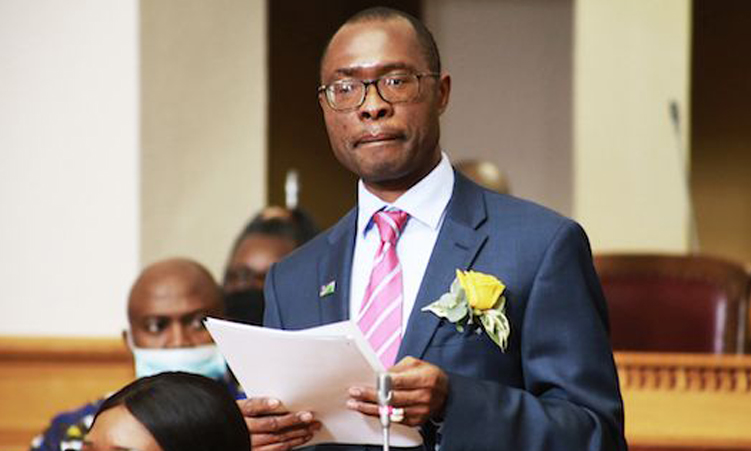
Committee chairperson Iipumbu Shiimi yesterday said the committee is reviewing a motion on the impact of lending practices on citizens, particularly public servants.
“Our committee is still in the process of engaging various stakeholders to find effective ways of addressing high household debt, especially among civil servants.
We have, however, observed some factors that seem to be contributing to their high indebtedness,” he said.
Shiimi said a number of civil servants are left with little take-home pay due to multiple loan repayments to microlenders.
This is happening despite the labour law stipulating that not more than one third of one’s salary should be deducted directly, he said.
The chairperson said the deduction payroll system code, which allows loan repayments to microlenders to be deducted directly from civil servants’ salaries, appears to enable their high indebtedness.
“I believe once these issues are addressed, we will go a long way in assisting households, specifically of civil servants, to better manage their financial affairs,” Shiimi said.
The committee will have another round of consultation on the matter in parliament on Friday.
The government has admitted that entry-level salaries of N$3 000 per month are dangerously low, driving public servants into crippling debt with microlenders and unregistered loan sharks.
Acting executive director in the Office of the Prime Minister Shivute Indongo said this on Friday, adding that this is despite a 5% salary increment granted to bargaining unit members recently.
Indongo said many civil servants are left with very little income after loan deductions.
He criticised the government’s salary structure, particularly the lowest pay grades.
“The issue of low salaries is well known. Grades 15 to 18 should have been abolished. A person should not enter government employment earning N$3 000,” he said.
Indongo said such salaries are inadequate when compared to labour standards in other sectors, including domestic, farm and casual work.
“I don’t know why it was allowed.
One really feels sorry for employees in the lowest grades and wonders how they survive,” he said.
He said most civil servants borrow money for consumption rather than investment.
Because many earn too little to qualify for bank loans, they often turn to microlenders and unregistered loan sharks.
The consequences are severe, he said.
Indongo said allowing lenders to deduct up to one third of servants’ salaries is excessive and called on the Ministry of Finance to introduce stricter measures to ensure workers retain enough income to meet their basic needs.
“Some civil servants are left with only about N$850 after deductions. Taxi costs alone can exceed N$500 a month, before even considering household expenses,” he said.
He said easy access to loans, backed by the security of monthly government salaries, has trapped many workers in cycles of debt.
Some employees do not fully understand the extent of deductions made from their salaries, Indongo said.
“Some workers borrow from colleagues, avoid creditors, struggle to report for duty, or walk long distances to work because they cannot afford transport,” he said.
Indongo stressed the need for mandatory financial literacy and financial management programmes across all sectors, particularly within the government.
While regulatory frameworks exist, he said, their implementation should be reviewed to determine whether they are achieving their intended objectives.
He also questioned the high interest rates microlenders charge, saying they are disproportionate to many borrowers’ incomes.
“Unregistered cash lenders are among the biggest problems facing civil servants.
These rates are killing our people,” he said, adding that financial stress is negatively affecting productivity and attendance in the public service.
Indongo said the public service wellness committee is inadequately resourced and requires urgent strengthening to assist employees facing financial distress.
National Union of Namibian Workers secretary general Job Muniaro has criticised the government for failing to restructure civil servants’ salaries, particularly those resorting under the lower job grades.
He says lending money is not the problem, but rather lenders’ unfair deductions.
“You cannot deduct 60% of a person’s salary. Before the government regards jobs, it must assess what workers such as cleaners need to survive,” he says.
Muniaro says lower job grade workers, including police officers, cleaners and drivers, should earn at least N$16 000 per month to enable them to access housing and meet their basic needs.