





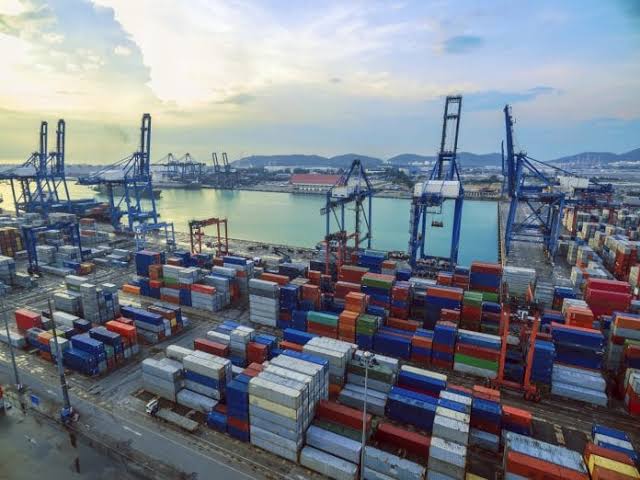
Namibia recorded its largest trade surplus with China in May, earning N$1.5 billion more from exports to China than it spent on imports.
According to new trade figures from the Namibia Statistics Agency (NSA), the surplus placed China ahead of Botswana and Canada as Namibia’s most favourable trading partner during the month under review.
The NSA says Namibia recorded trade surpluses of N$1.5 billion with China, N$1.3 billion with Botswana, and N$463 million with Canada in May.
Despite recording an overall trade deficit of N$3.1 billion, Namibia’s exports to selected markets helped cushion the impact of rising import costs.
“The May 2026 figures show Namibia’s trade surpluses with countries such as China, Botswana and Canada,” the NSA says.
Namibia’s overall export earnings increased to N$12.4 billion in May, a 25.9% increase compared to April 2026 and a 6.6% rise compared to May 2025.
Uranium was the largest contributor to Namibia’s export surplus, generating a N$2.8 billion surplus, followed by fish and non-monetary gold at N$1.3 billion each, and diamonds at N$1.2 billion.
However, Namibia continued to spend heavily on imported goods, with total imports reaching N$15.5 billion during the month.
The biggest import pressure came from petroleum oils, which resulted in a N$2.4 billion trade deficit, followed by commercial vehicles at N$532 million and passenger vehicles at N$378 million.
While China remained Namibia’s strongest surplus partner, South Africa and the United States recorded the largest trade imbalances against Namibia. The country registered deficits of N$2.5 billion with South Africa and N$2.2 billion with the United States.
The figures also highlight China’s growing importance within Namibia’s global trade network, alongside regional markets.
Namibia’s trade with Africa accounted for almost half of its total trade during May.
The country exported N$5.9 billion worth of goods to African markets while importing N$7 billion, resulting in a regional trade deficit of N$1.2 billion.
The NSA says regional trade remains important for reducing dependence on external markets and strengthening economic integration.
“Through initiatives such as the African Continental Free Trade Area and regional blocs like the Southern African Customs Union and the Southern African Development Community, intra-African trade enhances market access, strengthens regional value chains and supports sustainable economic growth,” the agency says.
Namibia’s main African export destinations during May included South Africa, Zambia, Botswana, the Democratic Republic of Congo and Zimbabwe, while imports largely came from South Africa, Ivory Coast and Nigeria.