The notion of performance as shamanism is not new. It is ancient and universal. It is clearly visible in the performance of world cultures.
At the core of it all is the idea that performance generally carries healing qualities. A performer takes on some kind of shamanic role in which they trance and transport their audiences through their narratives. Every performer’s intention may not be centered on healing, even though they possess the unique ability to make the audience reflect and deal with their scars.
I like to look at every performance from the standpoint of healing and transformation. My own practice and research looks into this special relationship and how it finds its form.
With colonialisation and globalisation, the healing aspects of a performance have been ignored, especially in pop culture which tends to focus more on the external than the internal. I like to reference indigenous African and Asian performances which are often defined by their healing and transformative powers.
Everything is ritualised as the performer facilitates the event by holding the space and taking their audience through it all.
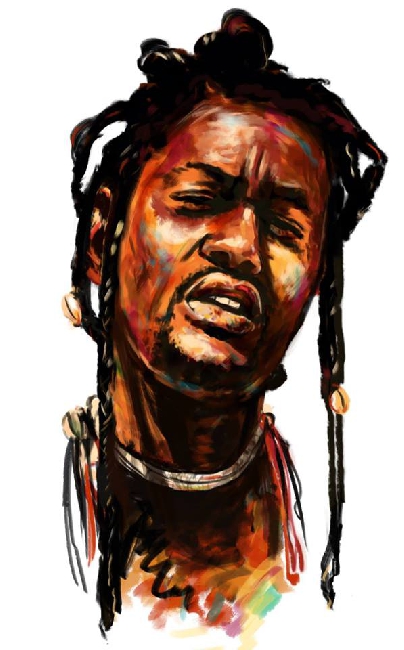
There is a need for contemporary practitioners to look into this performance history which has been dying with the times. Let us revisit characters and personas such as the Two-Spirited and queer shamans, the Namunganga in the Olufuko rituals and the Makishi Masquerades of Zambia. These performance identities are not only defined by their rich aesthetics but also by their unique functionalities.
The contemporaries are faced with the question of how to source, translate and embody these histories in their own practice. Many performance artists from different corners of the world have adopted subjective ways of drawing from their performance histories.
The subjective natures of their art-making processes becomes an enabler to perform self-healing and that of their audiences. It all begins with performing your own narrative and having ownership of it.
Although the performance of a narrative may not be of any healing relevance to those who witness it, it still qualifies as an act of healing if it works for the performer. After all, it is personal.
I would like to see local performers adopt and work with this ideology.
It is not new to say that theatre in Namibia has been dying a slow death and this means that we are truly denying ourselves the inherent magic of a healing performance. Theatre in itself needs healing.
All eyes are on the National Theatre of Namibia as per usual, looking to see if it will ever be the theatre that it once was. As the only formal body that is supposed to be facilitating continuous theatre-making activities, it has been seriously challenged in enabling the making of work that truly speaks to our bodies, spirits and souls. We need to play again to find our healing.
But we are already playing anyway. If you follow performance culture in Windhoek, you will notice the few underground movements that are looking at redefining and revisiting performance. These are the movements that are referencing the archives and creating new identities from healing standpoints.
Jacques Nashilongweshipwe Mushaandja is a theatre maker, performer and educator. Follow him on Twitter @ChantingWarrior.
In an age of information overload, Sunrise is The Namibian’s morning briefing, delivered at 6h00 from Monday to Friday. It offers a curated rundown of the most important stories from the past 24 hours – occasionally with a light, witty touch. It’s an essential way to stay informed. Subscribe and join our newsletter community.

The Namibian uses AI tools to assist with improved quality, accuracy and efficiency, while maintaining editorial oversight and journalistic integrity.
Stay informed with The Namibian – your source for credible journalism. Get in-depth reporting and opinions for
only N$85 a month. Invest in journalism, invest in democracy –
Subscribe Now!