WILDLIFE conservation organisations in Namibia have called for coordinated action on the conservation and protection of the country’s large carnivores, amid declining populations.
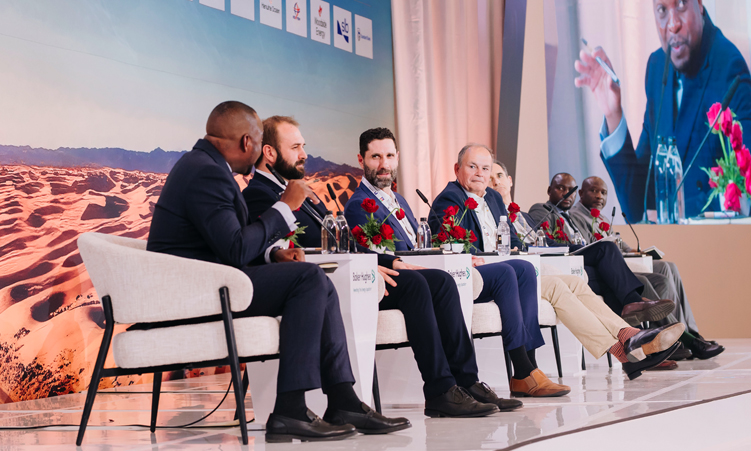
Earlier this month, the Large Carnivore Management Association of Namibia, in collaboration with the World Wildlife Fund Namibia in Windhoek – convened a meeting on human-wildlife conflict and large carnivore conservation.
The association reported that Namibia is home to 34 terrestrial carnivore species (including some of Africa’s most iconic and wide-range predators), but these species face increasing conservation challenges.
Tim Hoffmann from the Cheetah Conservation Fund, told stakeholders 11 of the 34 terrestrial carnivore species are considered either threatened (six species) or near threatened (five species) in Namibia.
“Large carnivores are genetically more threatened than medium and small carnivore species, while the cats (Filadae) have a higher proportion of threatened species (four of seven) than other families,” according to the statement released by the association at the meeting.
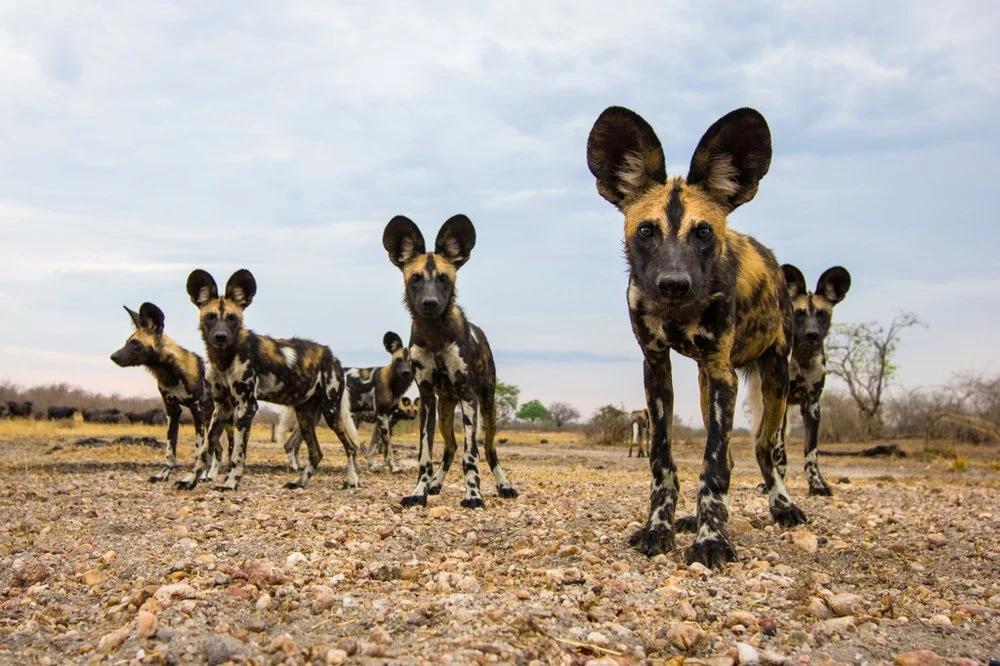
According to the association, Namibia’s cheetah population is currently estimated at approximately 1 200 individuals, while African wild dogs – classified as critically endangered, were estimated at 130-350 animals in roughly 35 packs with the population potentially declining.
The association noted that only around 12 desert-adapted lions are currently known to use the coastal habitat of the Skeleton Coast and the desert-adapted lion figures refer to this exceptional group and not to the entire deserted adapted population of northwest Namibia.
The association said these figures are estimates derived from different monitoring approaches and survey areas, but together they show how vulnerable even Namibia’s internationally important carnivore population remain.
These figures reinforce the need for repeatable monitoring, responsible data sharing and practical support for the people living along these wide-ranging species, noted the association.
The meeting was attended by representatives from different wildlife conservation organisations in Namibia, including the Desert Lion Conservation Project, the Kalahari African Wild Dog Conservation Project, Namibia Professional Hunters Association, Namibia Nature Foundation, the Ministry of Environment, Forestry and Tourism, Integrated Rural Development and Nature Conservation and the Cheetah Conservation Fund.