






One of the key roles of a commercial bank is to manage liquidity and ensure access to funding to support financial stability and economic growth.
Aligning funding costs with credit pricing, banks must respond to emerging trends, notably the global shift toward sustainable finance.
As sustainability becomes integral to financial strategy, banks must ensure they become strategic enablers of sustainable development.
They must recognise that public sector funding is insufficient to realise national developmental objectives.
This involves mobilising financing, not only from traditional sources, but also through thematic instruments such as green, social, or sustainability bonds, which demand greater transparency and accountability.
As a net carbon sink, Namibia is particularly vulnerable to environmental shocks.
Directing funding towards initiatives with both ecological and social benefits is essential to building economic resilience and contributing to achieving national development goals.
However, Namibia’s sustainable finance landscape remains underdeveloped.
Although the issuance of thematic financial instruments is gaining traction, it remains limited.
Furthermore, transformational projects usually require blended finance structures to enhance viability, yet access to concessional funding remains a challenge, particularly for the private sector.
Beyond these instruments, other funding approaches, such as co-financing, guarantees, risk-sharing facilities, and insurance, can be explored.
By adopting a more agile, adaptive, and forward-thinking treasury function, financial institutions can help drive the transition to a more sustainable, resilient Namibian economy.
SUSTAINABLE FINANCE
The treasury function within Bank Windhoek plays a pivotal role in mobilising funding and is uniquely positioned to shape the bank’s sustainability agenda.
Treasury’s role is to identify a funding opportunity from a mobilisation perspective, and close collaboration with business units ensures that mobilised funding is effectively deployed toward financially feasible projects that deliver environmental and social benefits.
As the first financial institution in Namibia to issue green and sustainability bonds, Bank Windhoek has successfully mobilised private funding to support impactful projects and catalyse the market to issue similar instruments.
This has culminated in the bank’s Sustainability Loan to finance projects that align with sustainability objectives.
Globally, sustainable debt issuance continues to grow.
According to Westpac IQ, it rose 9.7% year on year to US$1.49 trillion in 2024, with green bonds accounting for 75% of total issuance across sovereign, financial, and corporate sectors.
However, Africa’s participation remains limited.
To bridge this gap and realise its sustainable finance potential, Africa must harness the collective capacity of corporations, municipalities, financial institutions, and sovereign entities.
Addressing the cost barriers of thematic issuances will require robust regulatory frameworks, targeted incentives, and sustained public-private collaboration.
STRATEGIC PARTNERSHIPS, POLICY SHIFTS
Building on existing foundations and learning from early issuers is essential in a regional and local context where sustainable finance is still emerging.
Collaboration is now more critical than ever to unlock shared value and identify opportunities for support across sectors.
Accessing concessional funding requires multi-stakeholder partnerships.
This includes increased engagement with the government, leveraging multilateral alliances, and collaboration with international agencies to co-finance green infrastructure and scale impact.
Namibia must explore international best practices and adapt them to reflect local realities to ensure funding priorities align with national development goals.
In Namibia, where climate change and economic inequality are pressing concerns, the treasury function must go beyond financial stewardship.
It must act as a visionary leader, aligning liquidity management with strategic funding allocation and fostering collaboration with business units responsible for deploying funding to financially feasible projects.
Bank Windhoek is committed to this transformative journey.
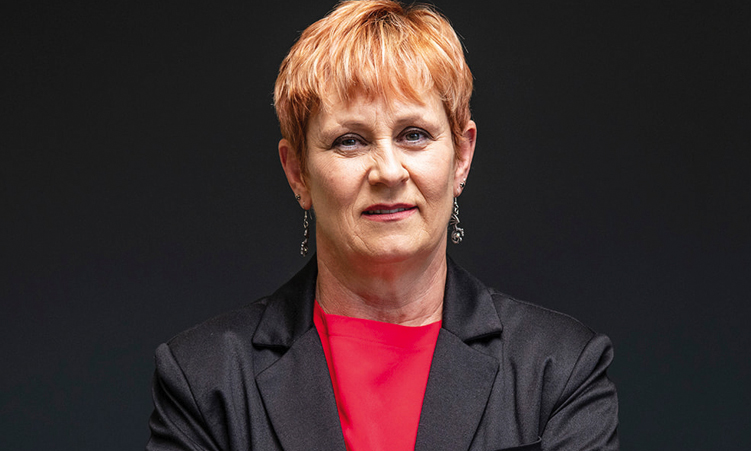
– Claire Hobbs is Bank Windhoek’s chief treasurer.