




Reinforcing its commitment to improving lives across Namibia, Bank Windhoek invested more than N$21 million in community development and social value initiatives during its latest financial year.
This includes N$9.65 million in direct corporate social investment (CSI) projects and sponsorships, and
N$11 866 900 allocated to the Capricorn Foundation.
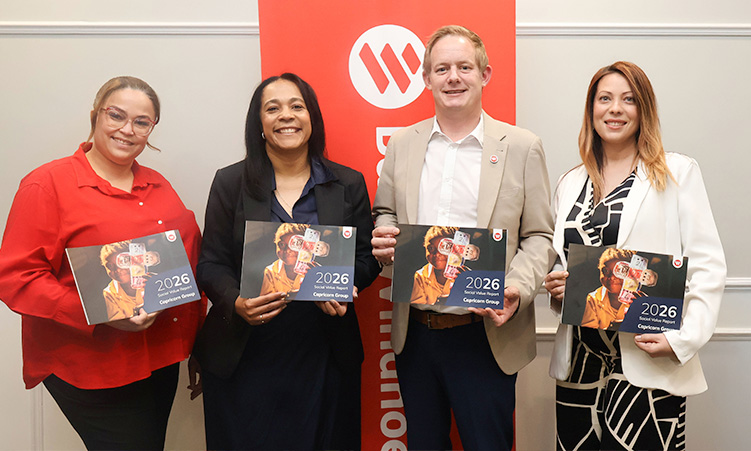
The announcement coincides with the release of the Capricorn Group Social Value Report last week Wednesday in Windhoek, which highlights the group’s contribution to responsible corporate citizenship, shared value creation and measurable social impact.

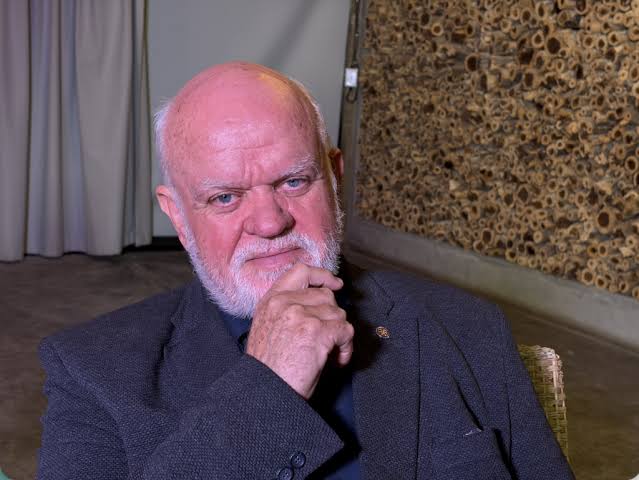
Bank Windhoek managing director James Chapman says the bank’s long-term strength is inseparable from the well-being of the society it serves.
He says Namibia becomes more resilient when young people gain skills, entrepreneurs build sustainable livelihoods, and vulnerable families are supported with dignity.
Chapman identifies the Emerging Bankers Programme as a practical example of social investment that connects opportunity with economic participation. The programme provides school leavers, particularly those from remote areas, with structured work experience, mentorship and certification support.
Its 2026–2027 intake has grown from 10 to 15 participants, helping address youth unemployment while building a future-ready talent pipeline.
The bank’s partnership with the foundation also supports practical agricultural training for farmers, reinforcing the role of skills development in improving livelihoods and strengthening economic participation beyond traditional banking services.
Bank Windhoek’s 2026 CSI activities and sponsorships focused on health, education, youth development, support for the vulnerable, agriculture, sport, and the arts.
Key highlights included teacher development, support for school feeding initiatives, the Bank Windhoek Cancer Apple Project, and continued investment in platforms that nurture discipline, creativity, cultural expression and national pride.
The Bank Windhoek Cancer Apple Project remained a key highlight, combining awareness, innovation and public participation to strengthen cancer-related services.
In early September 2026, the project handed over N$4 million to the Cancer Association of Namibia, bringing its total contribution since 2000 to N$42.4 million.
Chapman says responsible social investment must ask not only how many people were reached, but what changed, endured, and what can be strengthened or scaled.
“By connecting resources with need, opportunity with potential, and purpose with measurable positive change, we help create a Namibia in which more people can participate meaningfully in the economy and shape their own futures,” he says.
Bank Windhoek executive officer of marketing and corporate communication services, Jacquiline Pack, says the bank’s social value approach is rooted in partnership, accountability and long-term impact.
“Our CSI priorities and partnership with the Capricorn Foundation enable us to support credible initiatives that respond to societal needs and create sustainable value for current and future generations,” says Pack.
Together, Bank Windhoek’s direct CSI projects and support of the Capricorn Foundation demonstrate how coordinated social investment can address immediate needs while supporting long-term development outcomes.
The Social Value Report reinforces a shared commitment to accountability, sustainability and positive change across Namibia and Botswana.
The Capricorn Foundation serves as Bank Windhoek and the Capricorn Group’s primary vehicle for corporate social responsibility.
It supports initiatives aligned with national development priorities and the United Nations Sustainable Development Goals.