



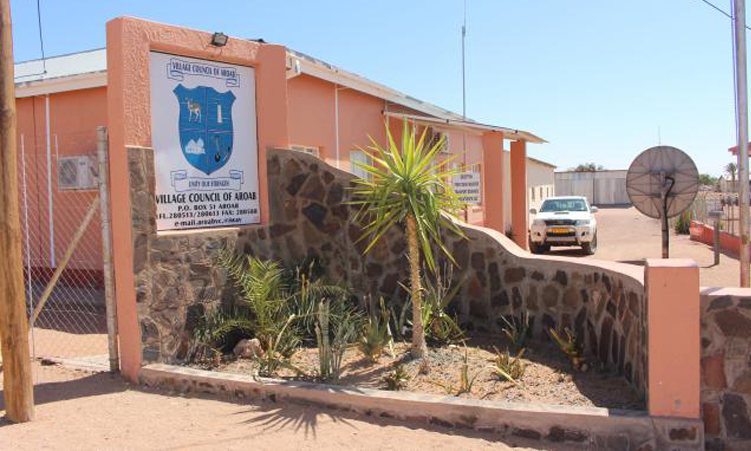
The Aroab Village Council granted a Build Together loan to an applicant earning N$14 700 a month, despite the programme’s income threshold being N$3 000, auditor general Junias Kandjeke has found.
The applicant was, therefore, ineligible for the programme, according to the audit finding covering the council’s 2023/24 financial year.
The programme offers loans averaging from N$40 000 to N$80 000.
Aroab Village Council chief executive Simasiku Maketo has confirmed that the council was aware of the matter and says it is addressing it.
Maketo says the affected applicant would still be required to repay the loan, despite having been found ineligible because of their income.
“The issue was not necessarily limited to the single applicant highlighted in the audit report, although the auditor general specifically picked up one case. There are others who earn more than N$3 000 but due to financial issues faced, the council is helping all communities, including those who qualify or not,” he says.
Maketo says the council had taken steps to address the matters raised by the auditor general.
The audit finding raises questions about the council’s screening and approval of beneficiaries under the Build Together programme, which is intended to assist qualifying low-income households.
The audit report also identifies discrepancies in the council’s reporting of Build Together loans.
During the 2023/24 financial year, the council submitted a list of new applicants amounting to N$800 000 to the Ministry of Urban and Rural Development for funding.
However, its annual financial statements reflected new Build Together loans of N$854 090, leaving a difference of N$54 090 that was not explained.
For 2022/23, the audit found no evidence of a submitted applicants list or funding request to the ministry, while the council’s financial statements reflected new Build Together loans amounting to N$605 000.
Kandjeke also raised concerns over the authorisation of loan payments.
Progress payment authorisation forms, he says, were found to have been signed only by the preparer, with no evidence of independent review or approval by the chief executive before payments were made.
The audit report also raises an adverse audit opinion on the council’s financial statements for the years under review.