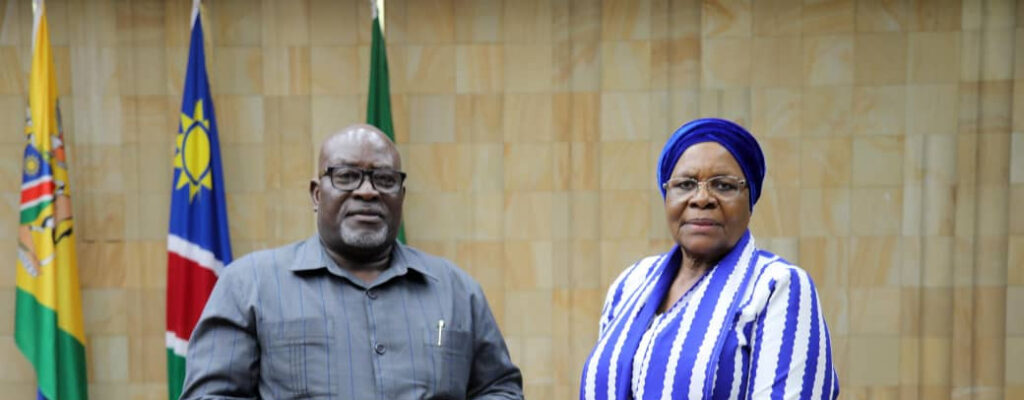
Mines and energy minister Modestus Amutse has defended the decision to place new upstream petroleum powers under the Office of the President.
This comes after the tabling of the petroleum amendment bill in parliament on Wednesday.
Speaking to Desert FM on Thursday, Amutse rejected claims that the move concentrates too much power in the Presidency.
He said similar systems are used in other oil-producing countries.
Amutse said the model follows international practice and will strengthen governance in Namibia’s oil and gas sector. He cited examples including the United Arab Emirates, Sierra Leone, Nigeria, Suriname and Brunei.
“When you research you don’t only research for the best, you also research where things went wrong, so that you don’t repeat the same mistakes,” Amutse added.
The minister said the new unit will deal only with upstream petroleum activities. This includes exploration and production.
Downstream petroleum and gas will remain with the Ministry of Industries, Mines and Energy.
“It doesn’t mean the ministry will not have matters relating to oil,” he said.
Amutse said parliamentary oversight will remain in place.
“Nothing prevents the parliamentary oversight function to do an oversight of the National Planning Commission, where the director general is equally appointed by the president and reports directly to the president,” he said.
He said the unit will report annually to the National Assembly on revenue, taxes and performance.
Amutse added that the move was a realignment of functions to protect a sensitive and strategic sector.