





Politicians are facing scrutiny over the growing use of honorary doctorates. This comes amid concerns that some may be lobbying universities for prestigious titles in exchange for political favours.
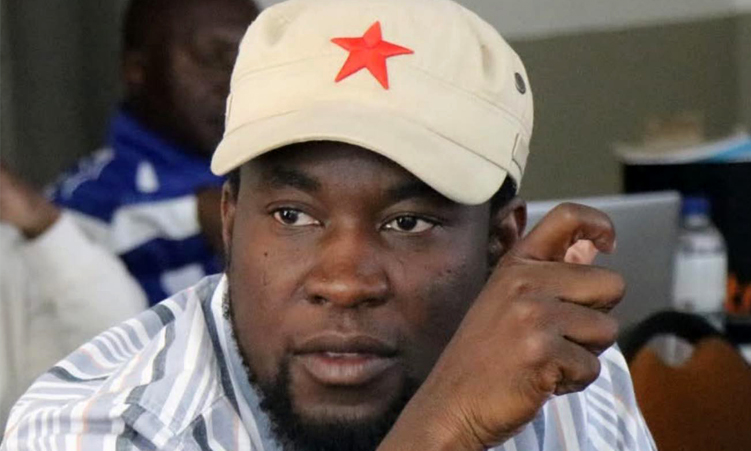
A notice before the National Assembly tabled on Tuesday by Affirmative Repositioning leader Job Amupanda questions whether honorary PhDs are being used to reward political connections rather than recognise genuine contributions to society.
The concern comes as several African countries have moved to regulate honorary doctorates, particularly their use by politicians and public officials.
Nigeria, Ghana, Ethiopia, Malawi and Uganda have introduced measures restricting honorary degree holders from using the ‘Dr’ title or limiting who can receive such awards.
“In Namibia, however, there are currently no similar restrictions, raising fears that honorary doctorates could increasingly be commercialised or politically weaponised,” Amupanda said.
He argued that the continued use of ‘Dr’ by honorary degree recipients can create the impression that they have earned a research doctorate, despite not having completed the years of original research required for a PhD.
He raised concern over reports that younger politicians are allegedly lobbying university vice chancellors for honorary doctorates in fields such as agriculture and business based on activities such as planting tomatoes.
Minister of education innovation, youth, sport, arts and culture Sanet Steenkamp is expected to be questioned in the National Assembly on 17 September on whether her ministry is aware of the regulatory measures adopted elsewhere and whether Namibia intends to introduce similar safeguards.
The minister will also be asked whether she is concerned that unchecked honorary doctorates could eventually undermine the value of genuine PhDs earned through years of academic research.
Critics argue that continuous use of the title misleads the public into viewing political figures as part of the scholarly and intellectual community.