Airline expected to be profitable in three years
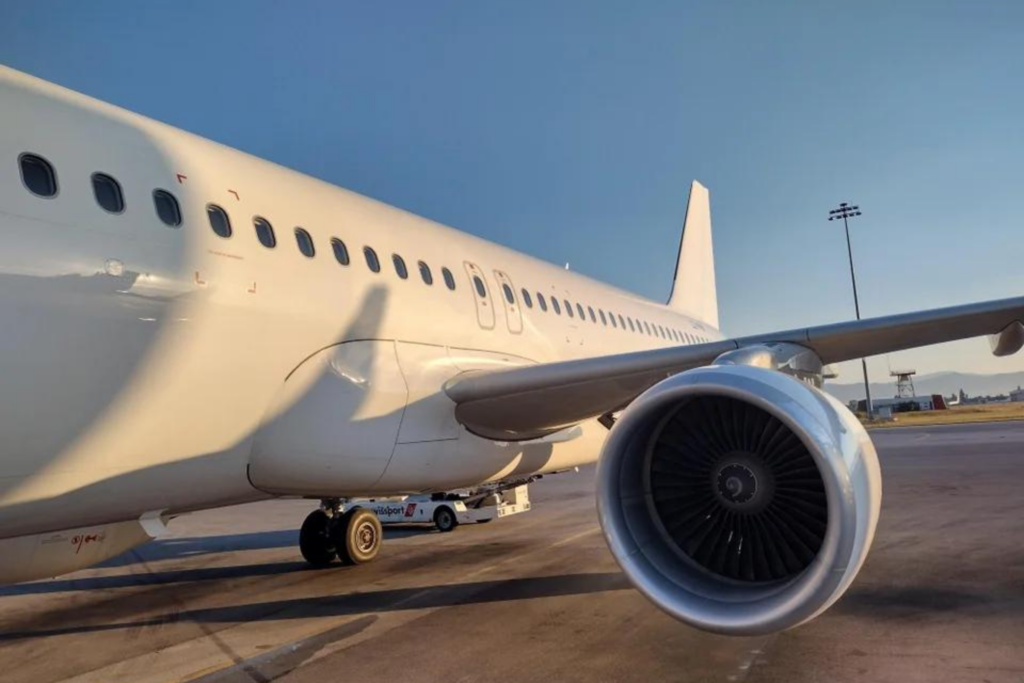
The government is preparing to launch Namibia Air in December, but the feasibility study intended to establish whether the proposed national airline is viable has been kept away from the public and parliamentarians.
The government budgeted N$20 million for the study, but its findings have not been made public, while key questions about the airline’s projected profitability, recruitment and aircraft financing remain unanswered.
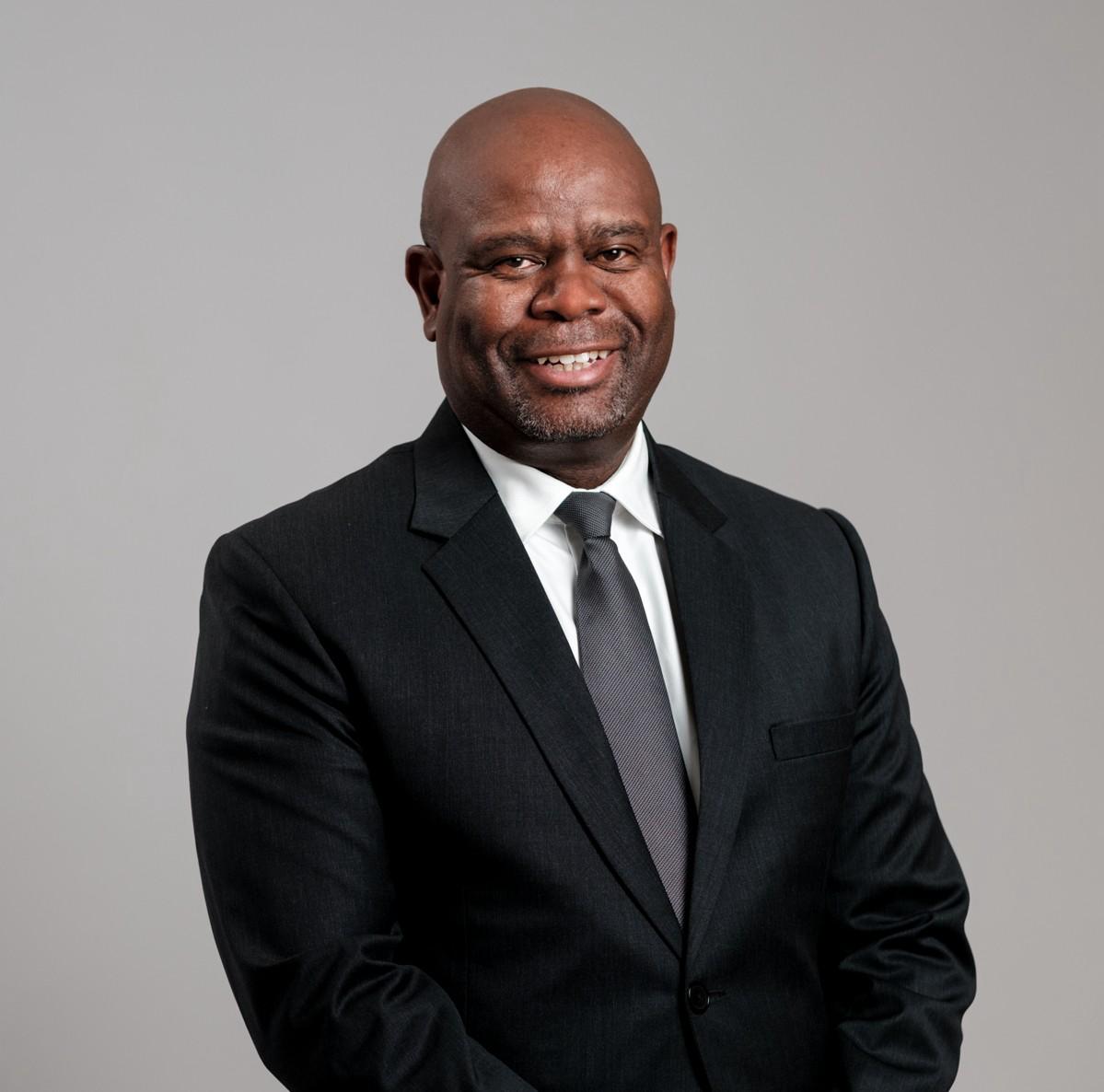
Independent Patriots for Change member of parliament and shadow minister of works and transport Nelson Kalangula last week asked why the study had not been made available to the parliament and the public, and why previous Air Namibia planning documents were not considered before commissioning another study.
“N$20 million was budgeted for a feasibility study, but the feasibility study is kept a secret,” he said.
Kalangula asked why the government had commissioned a new study when Air Namibia had previously paid for a strategic plan before the airline was liquidated in 2021.
“Why were these documents not considered before going for a feasibility study that was done behind closed doors and still kept from the parliament and the public?” he asked.
Kalangula said a feasibility study should establish whether a project is financially and commercially viable, rather than simply fulfil a procedural requirement without making the findings available for scrutiny.
“The idea of the feasibility study should be to see if projects are feasible and viable, not to recklessly just tick boxes without applications or making the findings public,” he said.
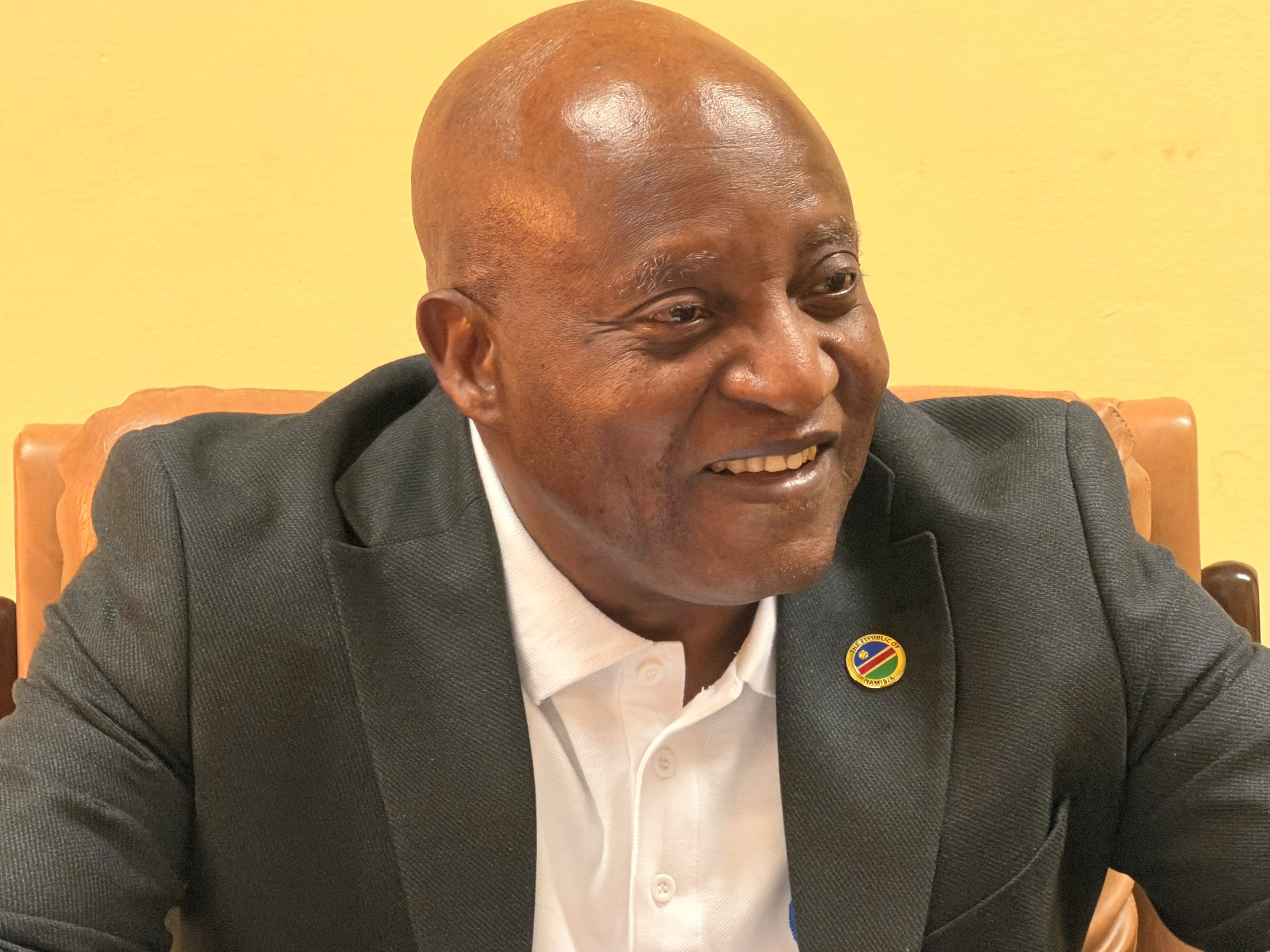
In June, minister of works and transport Veikko Nekundi told the parliament the government had budgeted about N$20 million for the feasibility study, but less than 4% of the allocation had been spent.
Nekundi said the study had been completed and was under review.
He said it was conducted by an interministerial team that included three aviation specialists with more than 50 years of combined experience, as well as legal, transport economics and governance experts.
At the handover of the Namibia Air operating licence, Nekundi said the feasibility study shows “the airline will be profitable in year three”.
COMPETITION
Nekundi said the feasibility study cannot be made public due to competition as it would reveal the airline’s strategies to competitors.
Kalangula claimed many Namibian aviators had not been consulted and that planning was being handled by a small group.
He asked whether the expertise of local aviation professionals was being adequately considered.
PROFITABILITY
On 2 September, The Namibian sent questions to the ministry asking how long the feasibility study projected it would take Namibia Air to become profitable, when recruitment would begin ahead of the planned December launch, which institution conducted the study, and whether the government had secured money to buy or lease the aircraft required.
The newspaper followed up three times but had not received substantive answers by the time of publication.
The questions are central to assessing the airline’s readiness to start operations. A December launch would require clarity on staffing, aircraft arrangements, operating costs and the financing needed to sustain flights while the business builds passenger demand.
It also remains unclear from the information made public how the study assessed the lessons from Air Namibia’s financial difficulties or whether the previous airline’s strategic plan and other reports were considered.
Air Namibia was liquidated in 2021 after years of financial difficulties and government support. The prospect of another national carrier therefore raises questions about how much public money may be required to establish and sustain the new airline.
CALLS FOR PUBLIC SCRUTINY
Landless People’s Movement spokesperson Lifalaza Simataa says the feasibility study should be made available to the parliament and the public because it was funded with taxpayers’ money.
“Not only is it public funds that is using it, therefore there should be a level of transparency and accountability, but also it should be there for the ability of scrutiny,” he says.
Simataa says parliamentarians and members of the public with relevant expertise should be able to examine the study’s findings, shortcomings and assumptions before the government proceeds.
“The general public should also understand the merits and demerits of this decision,” he says.
He is calling for the disclosure of who conducted the study, what they were paid, and whether they had the necessary experience.
“It is quite vital that we know who’s doing the study, what it is that they’ve charged so far, the findings of the study or the progress of the study and other outcomes,” he says.
Simataa says the history of public support for Air Namibia made transparency particularly important, warning that taxpayers needed sufficient information to assess whether the new airline could avoid similar financial difficulties.