The only indigenous tourism operator in the Omaheke region, Peter-Hein Kazapua, has urged the government to implement a new resettlement model under which livestock and crop production can be integrated with tourism.
This would ensure that local communities benefit directly from tourism, he says.
“This is a new concept that can help the government put idle resettlement farms to productive use,” Kazapua says, adding that the government should start a pilot project on the model.
“We are calling for an agri-tourism model that is inclusive of livestock, crop and wildlife farming, accommodation like guest farms, and lodges.”
Kazapua runs the Uakii Wilderness Bush Camp on rented 400ha of municipal land about 7km outside Gobabis, and says there is a limit to resources he can invest on rented property.
“When we apply for a resettlement farm as a tourism entity, we are told government policy on resettlement only accommodates livestock and crop farmers,” he says.
He, however, says wild animals naturally survive severe droughts better than cattle, and this could be another revenue stream for farmers who have suffered losses due to successive droughts.
“The government should allocate resettlement farms to people who would add value to them, create employment and contribute to the country’s gross domestic product,” he says.
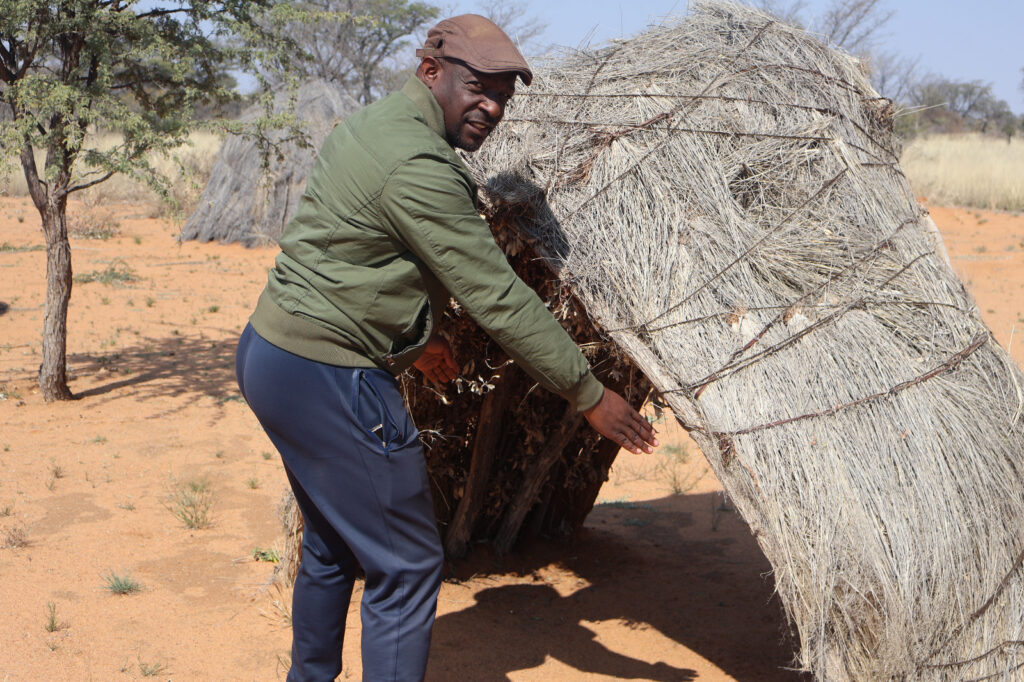
Kazapua says Uakii Wilderness Camp offers guests, mainly from Europe, bush walks, as well as education about fauna and flora and how the San communities use the bush to get food.
The camp features a traditional village where the San demonstrate their way of life, including dancing and hunting, and where souvenirs are sold.
“We also take them to communities of the Ovaherero, where they can see how a cow is milked in the traditional setup, and experience the holy fire and traditional attire. We also take them to Epukiro where the Batswana demonstrate rich, cultural dances. This promotes cultural tourism,” he says.
Kazapua says his clients are either accommodated in tents provided by Uakii or they can bring their own.
He says the camp can host weddings, workshops, family outings and educational tours for schools.
Most international tourists visit the camp between May and October, while locals prefer going outdoors between August and April, he says.
Kazapua is erecting a game-proof fence around the camp at which he employs 18 people, and says he plans to introduce some wildlife species for the benefit of local children who are not able to visit national parks.
He says he was inspired to start the cultural tourism camp after working for a tourism company and realising most international tourists come from luxury but want to experience something different in Namibia.
Key is that tourists must feel safe, Kazapua says.
“I work with communities so that there is respect for their culture and learning for tourists,” he says. – email: matthew@namibian.com.na