





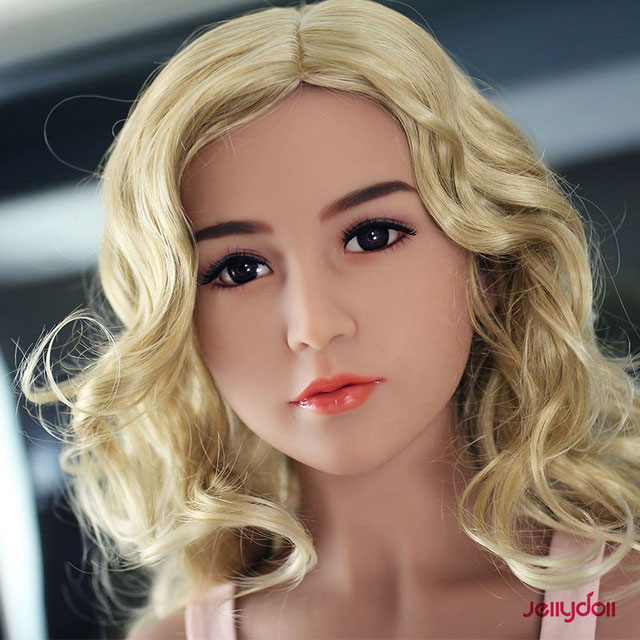
SA’s sex doll crazeJOHANNESBURG – South African men are fast catching on to the sex doll craze. Although they come with a pretty hefty starting price of N$16 000, according to Luvland operations manager Patrick Meyer, demand is booming.
For Sorika de Swardt, a social worker who specialises in mental health, addiction and complicated marriages, sexbots, or robotic sex dolls, may be as common as a vibrator in the bedside drawer in the next few years. “It was only a matter of time until we would want to try out the next best thing, and it arrived in the form of sexbots,” De Swardt said. They look like us, talk like us and even feel like a real woman, “only better because they always look perfect and never age”. Last year, Luvland became the first adult store franchise to bring the life-size JY Dolls to the local market.
South Sudan facing
humanitarian crisis
JUBA – South Sudan has temporarily abandoned some of the fees it charges foreign and local non-governmental organisations (NGOs) in a bid to encourage groups to help with a humanitarian crisis, a senior government official said. The government and the United Nations said last month South Sudan needs US$1,7 billion in aid this year to help six million people cope with the effects of war, hunger and economic decline. Paul Dhel, deputy chairman of the South Sudan Relief and Rehabilitation Commission, attributed the decision to waive the US$3 500 fee for international NGOs, and US$500 for local organisations, to the urgent humanitarian situation. “The registration is completely free. This is going to boost humanitarian work in the country,” he told Reuters, saying the waiver would run for a year.
Tunisian police disperse
LGBT protesters
TUNIS – Plain-clothed Tunisian police officers on Saturday broke up a demonstration by LGBT activists in the centre of the capital after it was banned “for their own security”, the interior ministry said. A call had been made to protest outside the tourism ministry under the hashtag “#Sayebni” (“Let me go”) to demand the repeal of “retrograde” laws, and the end of “the criminalisation of sexual freedom and discrimination against women”. But activists said late on Friday they had been told by the interior ministry that their demonstration had been banned. “We had information that they were going to be targeted,” ministry spokesperson Khalifa Chibani told AFP. The rally was banned “for their safety and to preserve public order”, he said, without elaborating.
– Nampa-AFP-Reuters-City Press