




When Ignatius Mukatu (40) first heard about the opportunity for people to sweep Gobabis’ streets a few months ago, he did not hesitate to sign up and get his hands dirty.
His name was submitted as one of 30 people who would be sweeping the dusty streets of Gobabis on a daily basis – and get paid.
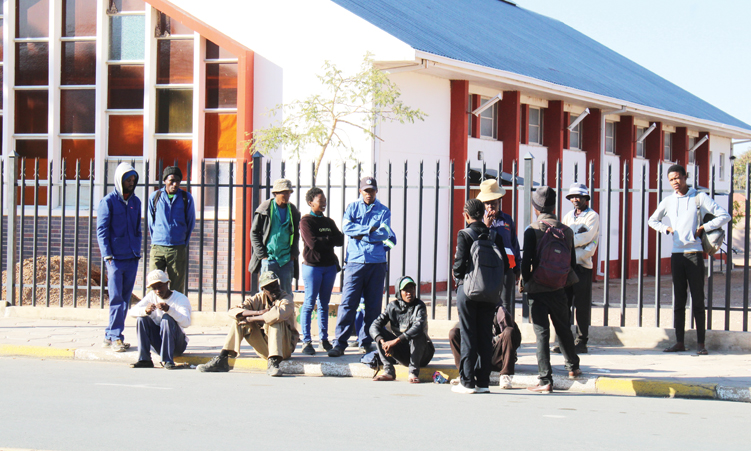
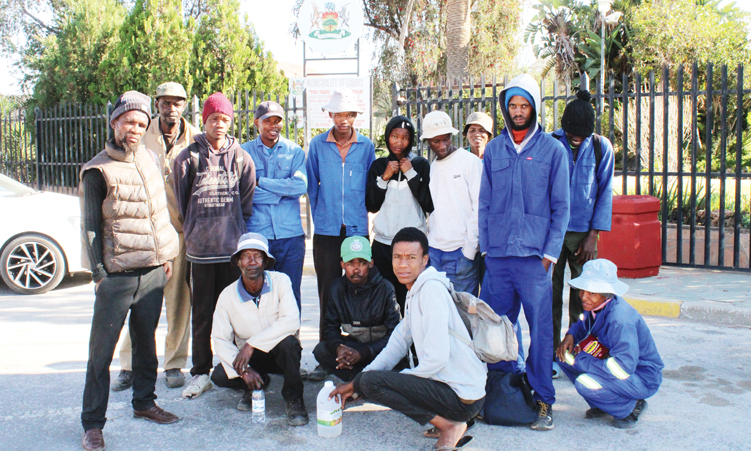
On a Monday morning in May at 09h00, Mukatu and the others on the list reported for duty in front of the Gobabis Municipality’s offices.
They were immediately handed brooms and rakes to get to work after their names were called out.
This will be their daily routine.
It was a happy moment as Mukatu thought he would finally be able to provide for his two children.
He only found out later they would not be paid in cash, but with a bag of Korean rice donated to the Namibian government as drought-relief food.
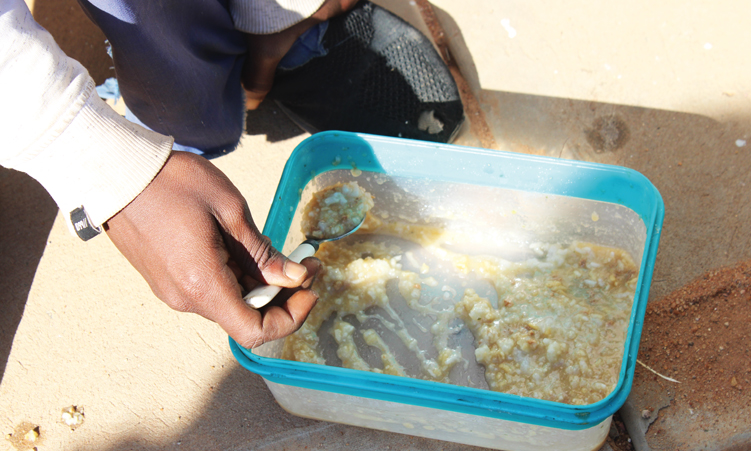
It was not the reward he was expecting for working four hours on the streets every day, he says, but that bag of rice was the difference between survival and starvation.
‘TAKE IT OR LEAVE IT’
“We were told to take it or leave it. Some of us chose to continue working for rice,” says social activist Desmond Marumo, who initiated the cash-for-work programme at the town this year, in letters to the municipality, which The Namibian has seen.
Mukatu also chose to continue working, but many others left after hearing their only payment would be a bag of rice to take home every Friday, and a bowl of rice for lunch.
He says it’s better than nothing in a region where more than 800 people died of malnutrition between 2022 and 2024, according to media reports.
“The only meal I get is rice on Fridays.
My children have nothing to eat throughout the week,” the Kanaan informal settlement resident says.
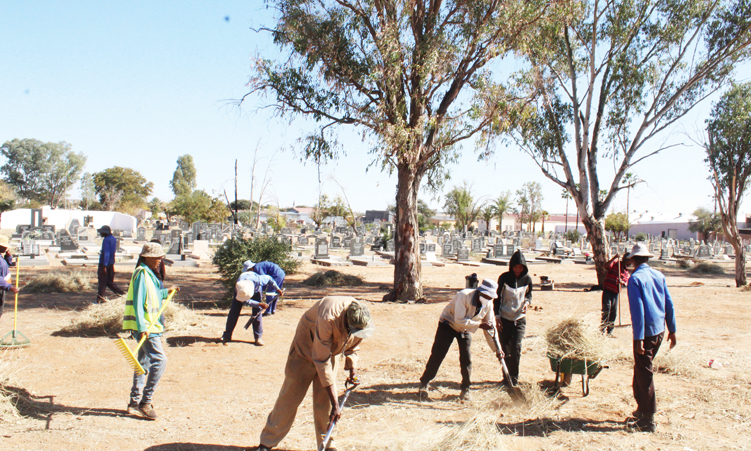
Mukatu and about 25 other men and women have kept returning to grab brooms and rakes to sweep the streets of Gobabis since May – with no protective gloves or boots.
They also rake the town’s cemetery, removing grass from the overgrown tombstones.
The group works from 10h00 to 13h00, Monday to Friday.
“The streets are clean thanks to them,” Marumo says.
He claims the municipality had initially promised work for cash.
Another street sweeper, Ismael Matheus (26), says he is not expecting much, just something to help put food on the table for his family.
“I have siblings and nephews relying on me.
The plastic of rice only lasts a day,” he says.
He says without a salary, he cannot feed his family as rice also needs relish and flavouring.
Gerilldine Muhali (25) says she joined because she thought the initiative could become a job opportunity – or a full bag of rice at least.
“I look after my baby. My mom and siblings don’t work,” she says.
When Clerense Links (22) first heard of the project, he thought it was an opportunity that would keep him off the streets.
Although he does electrical work occasionally, he says it does not earn him enough, so he joined the project to get extra cash.
After he found out the reward was only rice he continued, hoping the group would be considered for more permanent employment in the future.
Marumo says his efforts to get the municipality to pay the group in cash have been ignored.
‘NO CASH PROMISE’
Gobabis Municipality mayor Elwin Gariseb has allegedly told the group to leave if they do not want to work for rice, as there is no money to pay them in cash.
He told The Namibian during a meeting with the group there was never any promise of getting paid in cash.
He said he made it clear to “the volunteers” when they approached him on 13 May, offering to clean the town, that he only had rice to give them.
Gariseb said the group agreed to the rice payment, informing him that “they did not have it at home”, upon which he immediately requested a rice donation from the Omaheke Regional Council.
“I told them the municipality is not in a financial position to hire all of them,” he said, adding that the group “even brought pots from their houses to prepare the rice in”.
Gariseb said the group decides on the amount of rice they take home every Friday.
“I even buy meat to eat with the rice from my own pocket because of their willingness to clean.
There is no promise of cash,” he said.
Food-for-work and cash-for-work programmes usually fall under the regional council and not the municipality, he said.
“We can write them recommendations for future job applications and consider them first for future jobs, but there is currently no budget to recruit more people,” he said.
Gobabis constituency councillor Liberius Kalili last week said the group first visited his office for a request, before he referred them to the mayor.
He said the three offices together with the group agreed on the rice because of a lack of funds.
“Money is very difficult,” he said.
“I cannot say they will get money, because these programmes usually fall under the Ministry of Urban and Rural Development. Sometimes even only in rural areas,” Kalili said.
The urban and rural development ministry recently announced it has set aside N$10 million for the food/cash-for-work programme “to provide temporary income to vulnerable households”.
Prime minister Elijah Ngurare last year announced the return of the programme after it was discontinued for some time.
The Omaheke region has been grappling malnutrition for the past three years.
The Namibian in 2024 reported that 809 people died from malnutrition in the region in two years.
Data from the Namibia Statistics Agency in the 2023 Population and Housing Census reveal that the region’s unemployment rate stands at 35.5%.