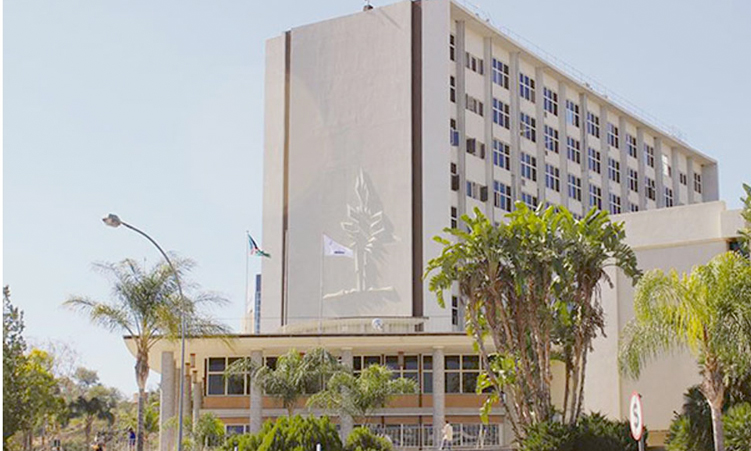








THE City of Windhoek is offering prepaid water meters to interested residents, which includes replacements or conversion of existing postpaid connections.
This was announced by the municipality in a statement on Friday.
Prepaid water meters operate on the same principle as prepaid electricity meters offered by the municipality.
“A 20-digit code will be issued to you upon purchase of water units and if entered into the Customer Interface Unit, it will allow the prepaid water meter to discharge the volume of water which was purchased,” the statement read.
The prepaid meter will shut off the water supply once all credits have been consumed.
The prepaid water service connection cost is subject to change but is currently N$4 486,66 excluding VAT.
There are two payment options available when applying for a prepaid water service connection:
“Choose to pay for the prepaid water service connection up-front, or choose a five-year repayment plan (N$3,90/kL incorporated in the tariff),” said the municipality.
Applications for the prepaid water service connection should be completed by the owner of the property, thereafter it takes about four weeks after approval of the application for installation of the new meter.
According to the municipality, the benefits of the prepaid water service connection are that they allow you to take full control of your water consumption and prevent overspending. It will also alert residents of any water leakages on their premises.
The city announced last year that it was planning to roll out the installation of prepaid water meters to reduce residents' water-consumption debts.
It said at the time that the prepaid devices will replace current water meters, which have been blamed for residents' skyrocketing water bills.
This plan was contained in a document submitted at the municipality's council meeting in April last year.
The document shows the municipality had at the time already purchased about 300 prepaid meters, which would be installed in the first phase of this plan.
According to the document, the first phase of the programme would target consumers in different categories, prioritising clients who owe the municipality the most.
This would aim to avoid the further accumulation of debt from the vulnerable, pensioners and non-paying customers.
The document indicated that the municipality would accommodate residents who are eager and willing to pay on a first-come-first-served basis.
The document stated that the prepaid water meters would operate on the same principle as prepaid electricity meters.
This means consumers would purchase prepaid water “directly from vendors or by way of cellular phone options” as with electricity.
Apart from installation fees, the document shows the municipality would determine a tariff for water consumption based on various factors.
The tariff would include fees intended to recoup the retail tariff charged by NamWater for the supply of water, operation and maintenance costs, and other direct and indirect costs associated with the provision of water and other relevant services to residents.
Prepaid water meter tariffs would therefore be a combination of the gazetted tariffs for potable post-paid water, plus fees relevant to all water consumption, which are normally paid on a monthly basis by post-paid customers.