The last time I was in Namibia, in November 2024 to officially launch the Namibia-Kenya Chamber of Commerce, it coincided with the country’s presidential and parliamentary elections.
But unlike many other African countries, you wouldn’t even notice a major national event was underway.
No police convoys, no panic, no tension.
People went about their day, calmly and confidently. In the evenings, small groups in party colours gathered peacefully at bars. Neatly pinned posters hung on street poles – no noise, no drama.
On election day, voters queued quietly, some with plastic chairs and cool drinks. It felt more like a well-organised picnic than a high-stakes political moment. That level of calm isn’t just cultural – it reflects a society with trust in its systems and maturity in its politics.
STABILITY, SYSTEMS, TRUST
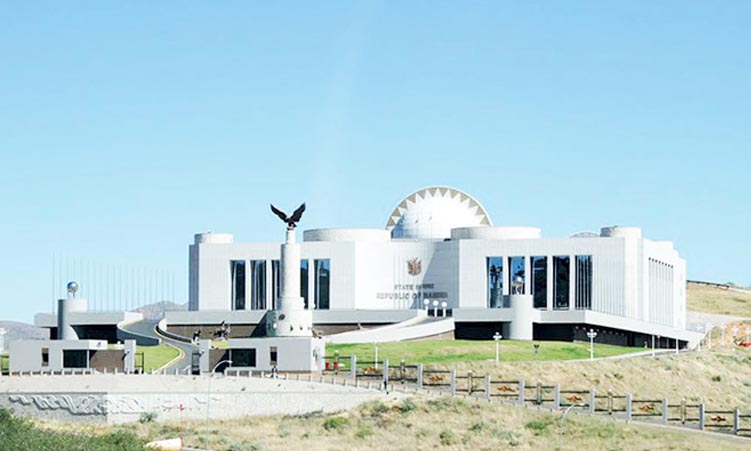
Since gaining independence in 1990, Namibia has remained one of Africa’s most stable democracies. Peaceful transfers of power, a respected Constitution, and functioning institutions offer long-term predictability – exactly what investors seek.
Namibia also consistently ranks among the best in Africa for press freedom. Its media operates freely and professionally, holding leaders accountable and informing the public without fear or favour.
DECONGESTED, CLEAN, FUNCTIONAL
Namibia is almost twice the size of Kenya but has just over three million people – about the population of Kenya’s one out of the 47 regions. Places like Windhoek, Walvis Bay, and Swakopmund are decongested.
Even during peak hours, walking downtown Windhoek feels like a beach stroll in Mombasa – calm but efficient.
The capital is clean, well-planned, and remarkably functional.
Public services work. Water and electricity are stable.
Roads are world-class. Namibia reminds me of a Nordic country – quiet, organised, and efficient, where systems just work.
The country also boasts abundant fish from the Atlantic and world-class beef – grass-fed, hormone-free, and exported to Europe. Yet, there’s untapped potential for local processing and value addition.
PORTS THAT WORK
Namibia is not landlocked – unlike Zambia, Zimbabwe, Malawi, Botswana, Lesotho, or Eswatini. It has a strategic Atlantic coastline and the deep-water Port of Walvis Bay, which is fast, modern, and uncongested – unlike South Africa’s strike-prone ports.
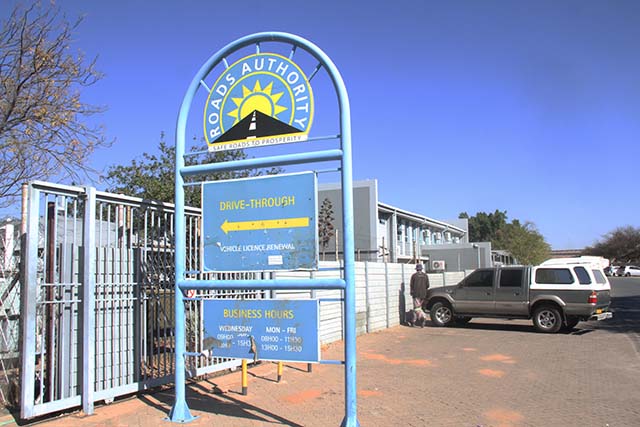
Its road infrastructure is world-class, making Namibia a natural logistics and trade hub for southern and central Africa. Customs systems are relatively efficient, and the environment is safe and predictable.
OPPORTUNITIES ACROSS SECTORS
Namibia is resource-rich – diamonds, gold, uranium, oil, and rare earths – but most resources are exported raw. There’s great opportunity in downstream value addition: refining, polishing, and assembling.
The government is actively courting investors in green hydrogen, mineral processing, and agro-processing. Manufacturing of food, textiles, construction materials, and consumer goods is ripe for investment. Prices remain high due to overreliance on South African imports – local production can lower costs and create jobs.
Tourism, affordable housing, fintech, and digital start-ups also have strong potential. But the government must urgently digitize all its systems to create a one-stop-shop online – like Kenya’s eCitizen – for business registration, licencing, and tax compliance to reduce red tape and attract entrepreneurs.
JOBS FOR A YOUNG POPULATION
Investments in light manufacturing, agribusiness, tech hubs, and logistics will not only grow the economy but also create sustainable, future-facing jobs for Namibia’s young and dynamic population.
Solving youth unemployment is the country’s most urgent socio-economic challenge – and a massive opportunity for investors ready to innovate.
BREAKING FREE
Namibia’s biggest economic constraint is its over-reliance on South African systems and monopolies. Most banks and supermarkets are South African.
Food, housing, and construction materials are expensive – not because Namibia lacks alternatives, but due to monopolistic pricing and trade protectionism.
If Namibia liberalised trade, encouraged regional competition, and diversified its import base, consumer costs would drop significantly. Protectionism and monopolies are stifling growth. It’s time to open up space for affordable goods, new players, and diverse sources.
SAFE, TOLERANT, OPEN
Namibia is one of Africa’s safest and most tolerant societies. Unlike parts of South Africa, where xenophobia threatens lives and businesses, or instabilities in Angola, Mozambique, and the Democratic Republic of Congo, Namibia remains welcoming and peaceful. As a ‘foreigner’, I was never harassed.
The police don’t ask for bribes.
They live among the community – not in barracks – and interact freely off duty.
With its youthful population, untapped markets, decongested cities, and efficient systems, Namibia offers one of the most conducive environments for doing business in Africa.
It’s the Southern African Development Community’s hidden gem – stable, safe, and ripe for bold investors and fresh ideas.
– Elvis Mboya is the president of the Namibia-Kenya Chamber of Commerce and a former journalist in Namibia and Kenya.