


HIV, the Human Immunodeficiency Virus, which causes AIDS (Acquired Immune Deficiency Syndrome) is nothing like the world wars, but HIV-AIDS is indeed the world’s leading epidemic with millions dying every year from the devastating disease. HIV-AIDS attacks and destroys the human immune system.
The effects of the disease are globally widespread. Statistics claim infections by the minute and an alarming resultant increase in orphans due to large infection deaths.
The global phenomenon of HIV-AIDS is one that is felt by all. Statistically, Africa has the highest infections with sub-Saharan Africa being hit the hardest. According to the World Health Organisation (WHO), at least about 27 million people in Africa have HIV-AIDS, making Africa the epicentre of the disease. As from 2003, close to 40 million people worldwide had HIV-AIDS and it is estimated for the immediate future that there will be even more people infected.
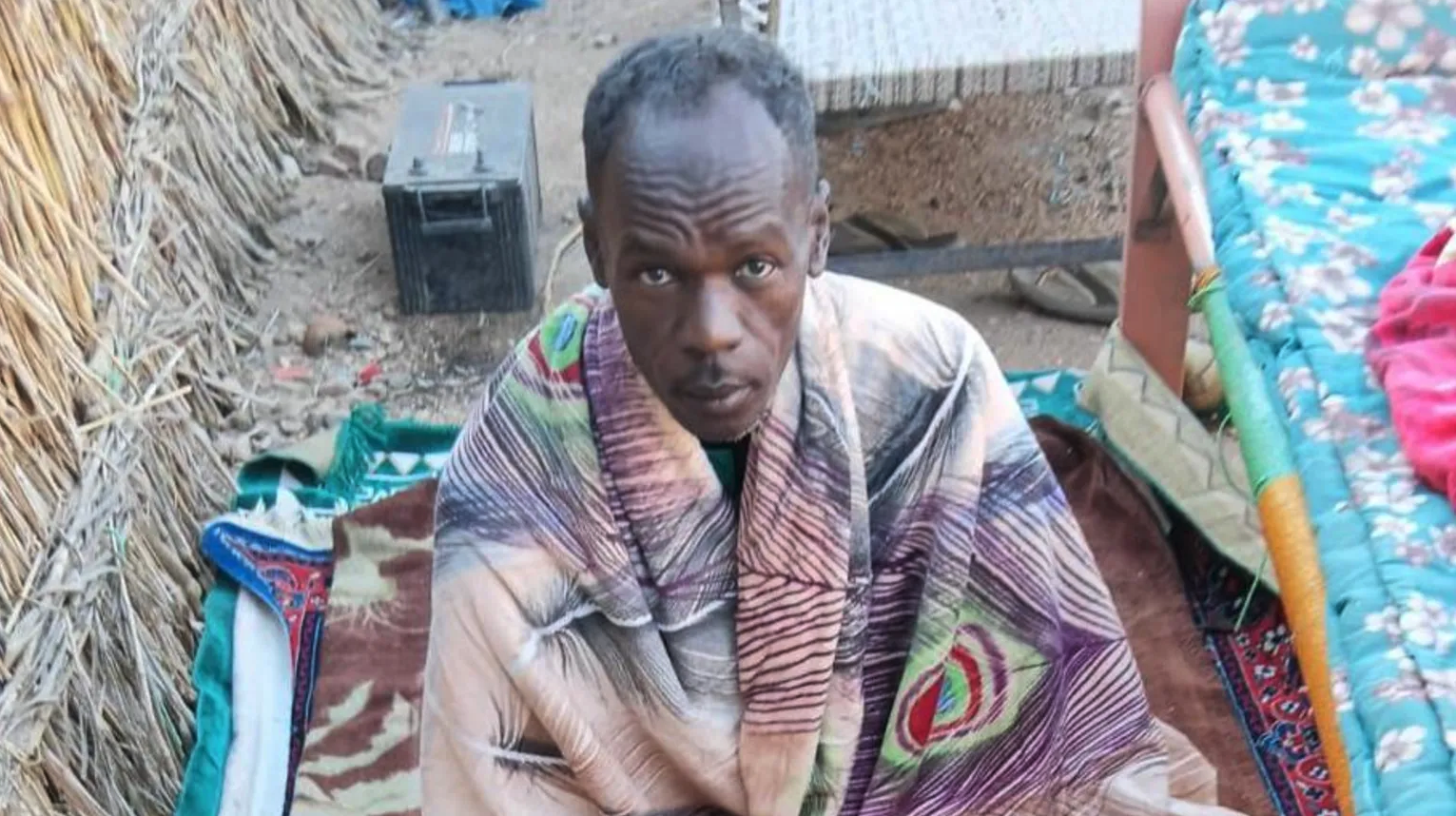
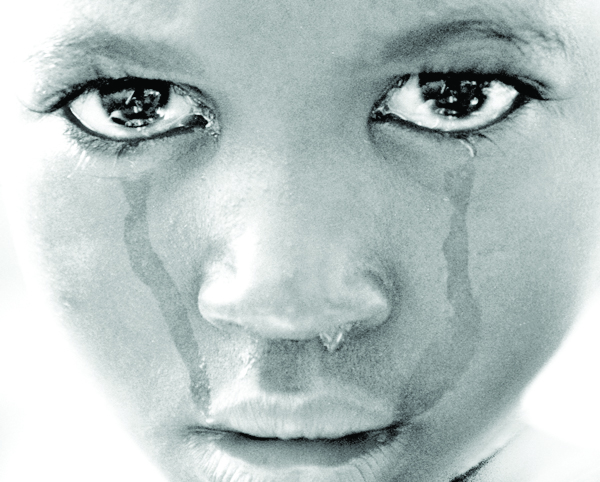
In addition, at least 95% of people with HIV-AIDS live in developing countries, with Africa having the leading and growing number of HIV-AIDS deaths. Over about 11 million children are reported to be HIV-AIDS orphans, in Africa alone. Orphans in Africa have usually been cared for by family and relatives but HIV-AIDS has made and continues to make the arrangements difficult and a lot of orphans end up homeless, living on the streets. The increasing number of parents and adults infected with the virus leave fewer and fewer relatives to take care of the children.
Often AIDS orphans are left in a predicament after the death of their parents and they resort to being in charge of themselves. In Namibia there are often no relatives to take care of orphan children and thus a number of orphans have no families and no home. These children fall under the pressure of their circumstances and they indulge in wrong doings such as theft, drug and alcohol abuse and prostitution, which causes them to lose their dignity along with their moral values.
Also, in many places HIV-AIDS has a stigma attached to it. People are embarrassed to talk about it and they discriminate against the people who have the disease. In some cases, when a child loses their parents to the disease, people do not want anything to do with the child under the presumption that they, too, are infected. But for others, it is the conditions that are unfavourable. Some families that take in orphans don’t have the resources needed to take care of children. The situation is not as severe in developed countries like the United States as it is in developing countries like Namibia because of the difference in health care and economic stability.
A better way to impact a disease is by eradicating the vector. Scientists continue to look for vaccines and a cure for HIV-AIDS, whilst most importantly other researchers from different disciplines like sociologists and anthropologist are looking for social ways to stop the epidemic, thus reducing the increasing number of HIV-AIDS orphans.
* Elrico Marius Stoffel is an undergraduate student at the University Of Namibia. He is a human rights activist and loves writing and fashion.
Quote:
Over about 11 million children are reported to be HIV-AIDS orphans, in Africa alone.
In an age of information overload, Sunrise is The Namibian’s morning briefing, delivered at 6h00 from Monday to Friday. It offers a curated rundown of the most important stories from the past 24 hours – occasionally with a light, witty touch. It’s an essential way to stay informed. Subscribe and join our newsletter community.

The Namibian uses AI tools to assist with improved quality, accuracy and efficiency, while maintaining editorial oversight and journalistic integrity.
Stay informed with The Namibian – your source for credible journalism. Get in-depth reporting and opinions for
only N$85 a month. Invest in journalism, invest in democracy –
Subscribe Now!