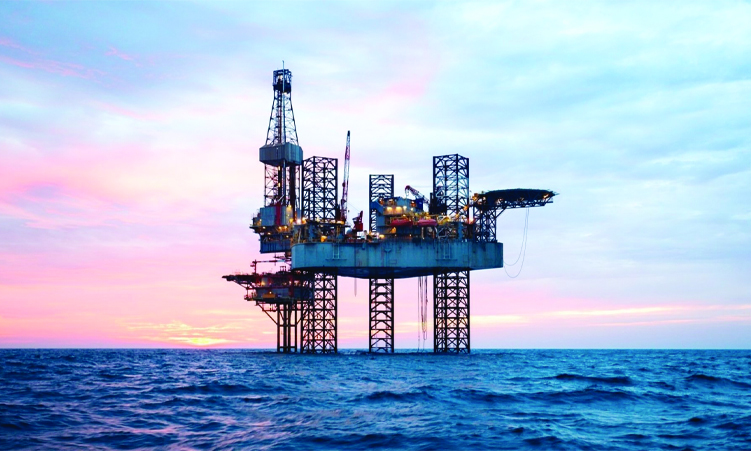



THE GLOBAL ECONOMY is gripped by panic, with prophets of doom predicting dire consequences and no country expected to be spared from the negative impact of the rapid rise in oil prices.
Opportunists have seized this opportunity to make extra profits, with fuel retailers fingered for allegedly withholding supplies. This behaviour created panic buying, followed by pumps running dry early on the day before the upward price adjustment.
Then the very next day – profiting from the higher price – there was, miraculously, an abundant supply of petrol and diesel. The relevant authority, the Namibian Competition Commission, must not be found wanting in its threat to investigate.
Should chicanery be established, punitive action must follow.
Such behaviour was aptly described by former British prime minister Margaret Thatcher – dubbed the Iron Lady – as the “unacceptable face of capitalism”.
Like a globe-spanning tornado that touches down with little predictability, deep economic anxieties – edged on by conflicts in the Middle East and elsewhere – are leaving a trail of turmoil.
With no end in sight, the latest World Economic Outlook reports a slowdown in global growth, with risks tilted to the downside. Being old enough to say this is not the first time I have experienced how conflicts in faraway places can have such a disruptive effect on my “here and now,” I hasten to add that the saying “what goes up must come down” has never proven false.
In short, I have learnt how important it is to prepare for the worst while never giving up on anticipating – or remaining ever hopeful for – a better outcome. After all, what goes up will eventually have to come down.
The phrase “what goes up must come down,” originating from the law of physics – particularly gravity – signifies that anything that rises will eventually fall.
The origin of the saying dates back to the 1800s and is often attributed to Isaac Newton, who observed that when you throw a ball in the air, it inevitably returns to the ground.
Success and prosperity are not permanent. The same applies conversely: what goes down will come back up again.
The cyclical nature of challenges and opportunities demonstrates that, in business, downturns are often followed by recoveries. Entrepreneurs should, therefore, view setbacks as learning opportunities rather than failures of a permanent nature.
When it comes to starting and running your own business, there is only one certainty – it will be an emotional rollercoaster ride.
Let it dawn on you that downturns are natural and temporary. They are part of the ebb and flow routinely encountered in business.
Accept that what goes down must come up, and that progress in the business arena often unfolds in spirals rather than straight lines.
Make “what goes down must come up” an expression of hope and optimism and allow it to serve as a reminder that even in the darkest of times, there is always potential for a brighter future.
Learn that challenges are overcome through change, improvements, and by doing things differently – and better – driven by projects, events and initiatives.
– Danny Meyer is reachable at danny@smecompete.com
In an age of information overload, Sunrise is The Namibian’s morning briefing, delivered at 6h00 from Monday to Friday. It offers a curated rundown of the most important stories from the past 24 hours – occasionally with a light, witty touch. It’s an essential way to stay informed. Subscribe and join our newsletter community.

The Namibian uses AI tools to assist with improved quality, accuracy and efficiency, while maintaining editorial oversight and journalistic integrity.
Stay informed with The Namibian – your source for credible journalism. Get in-depth reporting and opinions for
only N$85 a month. Invest in journalism, invest in democracy –
Subscribe Now!