On 25 March, the United Nations (UN) General Assembly passed a resolution calling the trafficking of enslaved Africans and the system of racialised chattel slavery it created “the gravest crime against humanity”.
There were 123 votes in favour, three against, and 52 abstentions.
Ghana led the way, with president John Dramani Mahama calling it a step toward “healing and reparative justice” and a way to keep people from forgetting about the past.
It’s not often that the world talks openly about slavery, not as a thing that happened in the past, but as a system that still affects racial hierarchy, economic inequality and global power.
The resolution, which calls the transatlantic slave trade the worst crime against humanity, marks a big change in how people talk about slavery.
It acknowledges that the violence in the trade was not only huge, but also a key part of the modern world.
Wealth, empire, racial ideology and global capitalism were built on the exploitation of African labour and the deaths of African people.
The effects of that system lasted long after it ended: colonial rule, segregation, exclusion, debt, dispossession and an unequal distribution of power still shapes global affairs today.
PLANTING JUSTICE
The UN resolution is very important for many reasons.
It does not just remember the past. It changes what people are talking about in the wake of global conflicts.
To say that slavery is a crime against humanity means its legacy is more than just a memory; it is a matter of justice that has not yet been served.
To change global narratives about slavery, we need to work together and use media platforms to amplify a variety of voices and stories.
This will shine a spotlight on how historical injustices and current inequalities are connected.
In addition, interactions foster a deeper understanding of reparations as an essential element of global racial justice.
This is where the resolution links directly to the framework of reparatory action to sow the seeds of justice.
In this context, justice cannot be diminished to a retrospective discourse on guilt.
It’s about whether institutions that are based on extraction and racial hierarchy can keep working as if history does not have a present tense.
The recent resolution, like a lot of the talk about reparations around the world, focuses on fixing things: making formal apologies, returning stolen cultural property, paying people back, telling the truth, and making changes to the system to fix past wrongs.
THE POLITICS OF REPAIR
The politics around the vote show how important this language is.
The United States, Israel and Argentina all voted against the bill.
Fifty-two countries, including the United Kingdom, Canada and all European Union members, abstained, showing how many nations are still uneasy about acknowledgment.
Acknowledgment can result in accountability, and accountability can result in requests for restitution.
That is exactly why slavery is still such a highly contentious topic in international politics.
Those opposed to the resolution said it brought up hard questions about retroactive legal responsibility or seemed to put one historical crime ahead of others.
But human rights activists and many countries that support the resolution see the resistance differently: as proof that recognition is never just a symbol when it threatens to upend long-held beliefs about guilt, liability and the distribution of global advantage.
This tension is very important in today’s international relations.
The Atlantic slave trade was a big part of how the modern world came to be.
It connected Africa, Europe, the Caribbean and the Americas through a system of forced labour and racial capitalism, where profits were not shared fairly and losses were passed down through generations.
Saying slavery is a closed chapter is not true about how global power was built.
Modern inequalities in wealth, infrastructure, development financing, public health susceptibility and racial exclusion do not emerge spontaneously.
They are part of a long history of conquest, extraction, dispossession and the dehumanisation of Africans.
GHANA’S INVOLVEMENT
Ghana’s leadership on this resolution and pushing it forward is historic.
UN reports that Ghana did more than just support a text; it also helped change the focus of the conversation from remembrance to accountability.
Ghana noted that the effort was a strategic attempt to change the way people talk about things around the world, moving away from symbolic recognition and toward institutional accountability and reparatory justice.
That action is also in line with a bigger push from the African Union (AU).
In March 2026, the AU called this time a “decade of reparations action”.
This shows that the demands of Africans and people living in the diaspora are becoming more coordinated, not less.
That intervention was important because it reminded everyone that the descendants of slaves are still dealing with the effects of slavery.
Their communities have suffered from dispossession, racial stigma, underdevelopment, and exclusion long after they were officially freed.
MOST AFFECTED
But if the resolution is to mean anything other than just words, it must be followed by action. Reparatory justice cannot be simplified to a mere apology.
So, for justice to be real, we need to pay close attention to communities still dealing with the effects of slavery.
The people most affected are not just ideas in a diplomatic text.
They are communities who deal with racial exclusion, unfair labour practices, loss of culture, loss of land, lack of investment, and the daily stress of anti-black racism.
In its talks about reparatory justice, the Office of the High Commissioner for Human Rights stresses talking to the people who were hurt, telling the truth, and using the experiences of people still dealing with the effects of past wrongs.
People who see history as structure rather than the past need to be involved in planning repairs, not just people in conference rooms.
Policies that deal with material harm, like putting money into education, public memory, cultural restitution, institutional reform, and long-term support for communities most affected by slavery’s legacy, are needed.
It also requires listening to the communities that have long talked about problems and suggested solutions, not just after decisions have been made or only to certain people.
DEALING WITH A LIVING LEGACY
The vote on 25 March will probably go down in history as a big step forward in diplomacy. But it has a bigger meaning.
It tells the world that slavery can’t be turned into a memorial language while its buildings still support modern inequality.
It says history still organises and shapes the world.
And it brings to the attention of the world a long-held belief among people in Africa and the diaspora: there can be no serious global racial justice without reparatory action.
For justice to grow, it must be planted where the seeds of injustice were first planted.
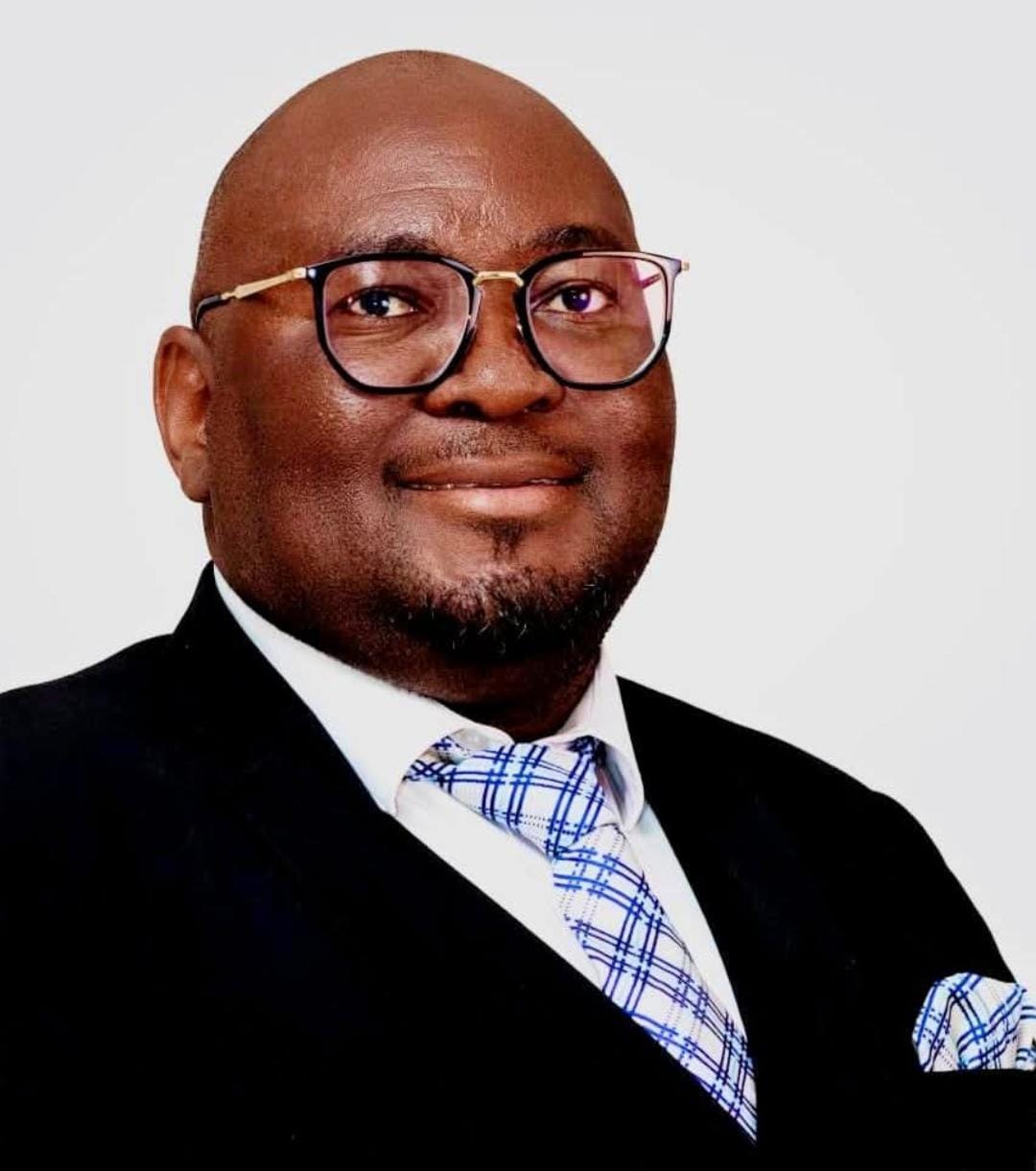
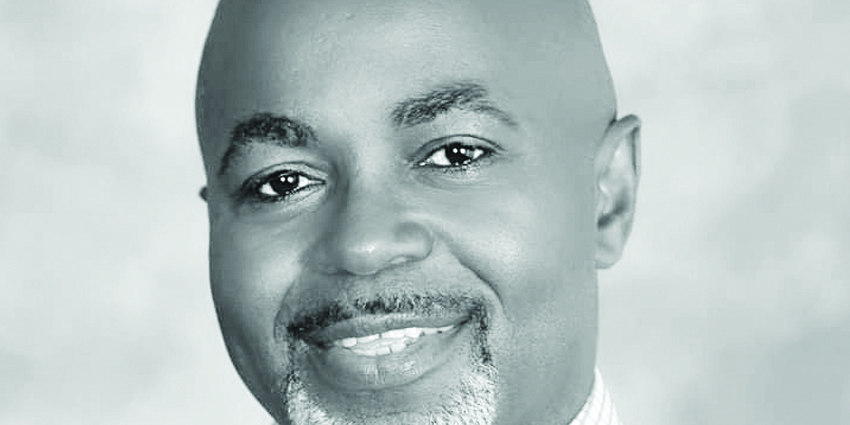
- Michael Conteh is a gender expert and social justice advocate; linsobob@gmail.com