



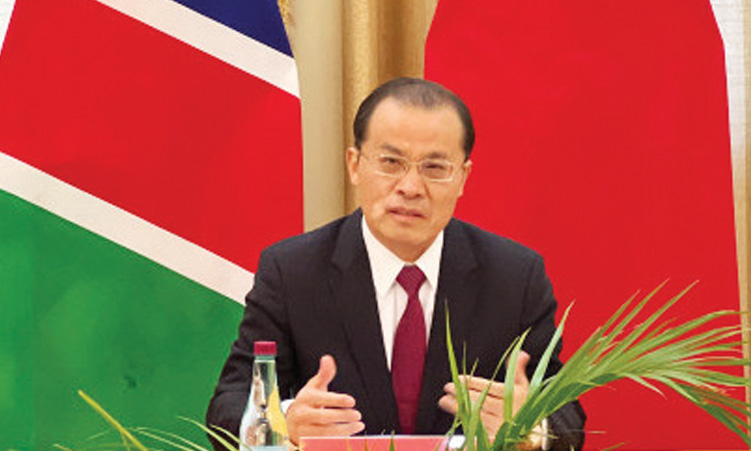
China has offered to support president Netumbo Nandi-Ndaitwah’s N$86-billion Swapo manifesto projects and to share its ‘modernisation’ experiences with Namibia.
Speaking to the media this week, Chinese ambassador Zhao Weiping said Namibia can greatly benefit from how his country became modern and significantly reduced poverty.
China achieved that feat in less than 30 years, growing its economy by about 10% annually between 1978 and 2005.
It will be wonderful, indeed, if Namibia can muster lessons from a country that was among the poorest when Deng Xiaoping succeeded China’s supreme communist icon Mao Zedong and implemented free market reforms.
While the appeal is understandable, we must recognise that China’s impressive trajectory relied on unique factors; its huge population and its ability to provide cheap labour with a machine-like work ethic is near impossible to match and use to attract Western investments.
But Namibia can appreciate that China has greatly opened up to capitalist forces and assistance from institutions like the International Monetary Fund and the World Bank.
For the most part, Swapo has taken an anti-free market stance, even making it difficult for local businesses to thrive while pumping scarce public funds into badly run government companies operating in industries adequately served by free enterprise.
It begs the question: Exactly what lessons and material support will Namibia draw from China?
Besides, the past 20 years have provided glimpses that Chinese support (supposedly with no strings attached) is often reminiscent of colonial and neocolonial imbalances in Africa.
When ambassador Zhao pledges to help Namibia fund Swapo’s manifesto projects, some cautionary tales should be noted.
Our Zambian neighbours are caught in a debt trap with China, less than 20 years after they were helped to loosen a similar grip from Western nations and institutions.
Angola accepted loans of more than US$45 billion (about N$810 billion) between 2000 and 2022, mainly for infrastructure development, repaying the debt with oil revenue.
If the refugees fleeing poverty and Angolan children roaming Namibia’s streets are anything to go by, then president Netumbo Nandi-Ndaitwah and her team should consider themselves warned.
What may seem like easy money to deliver on election promises could become an albatross around the neck for Namibia’s future generations.
Let’s consider Sri Lanka’s regret over accepting Chinese loans they are unable to repay before we accept credit from Beijing.
China is accused of using opaque and predatory loans to saddle countries with unsustainable debt, thereby undermining their sovereignty and seizing control of critical infrastructure, such as ports.
Even Angola has a tale to tell – about sport stadiums they built to host major international tournaments: They have fallen into disuse to the point of becoming a haven for livestock grazing.
It might be important to take stock: What has Namibia given to China and what have we received?
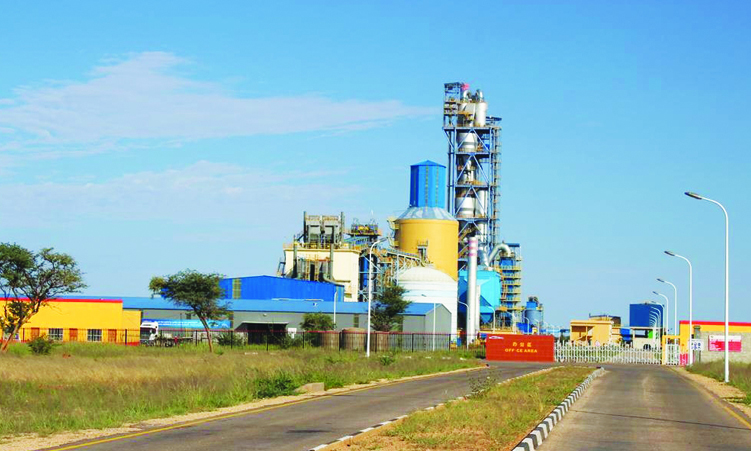
The construction industry is a glaring example of what happens when our purported benefactors fail to impart skills to Namibians. If Namibia hopes to benefit from partnerships with economic giants like China, it must do so with its eyes wide open.
In an age of information overload, Sunrise is The Namibian’s morning briefing, delivered at 6h00 from Monday to Friday. It offers a curated rundown of the most important stories from the past 24 hours – occasionally with a light, witty touch. It’s an essential way to stay informed. Subscribe and join our newsletter community.

The Namibian uses AI tools to assist with improved quality, accuracy and efficiency, while maintaining editorial oversight and journalistic integrity.
Stay informed with The Namibian – your source for credible journalism. Get in-depth reporting and opinions for
only N$85 a month. Invest in journalism, invest in democracy –
Subscribe Now!