







MARIZANE ITHETEIN the current tough economic set-up, most business owners, particularly small to medium enterprises, find themselves in harsh and unprecedented financial positions.
The core factors contributing to harsh financial situations for SMEs are mostly attributed to delays or the non-payment of invoices by their clients.
Below are some of the tips and advice on how to mitigate risks and strategically recover overdue invoices, while maintaining a good relationship with clients.
PREVENTING NON-PAYING CUSTOMERS
Seek Credit Risk Management Advice
A properly set up credit offering facility does not only ensure that clients settle their invoices within the defined payment terms, but it further ensures that a company develops trusting relationships with its clients to achieve its business objectives and increase sales.
Credit risk management further involves ensuring that the right terms and conditions are in the contract, late payments are well detected in advance, and safeguarding customer relations, to name a few.
Research your Clients: KYC (Know your client)
Before bringing a client on board, do a thorough research on their credit history. Moreover, once you have the client on board, you should continue scanning and monitoring them frequently to keep up with their payment patterns, which helps with detecting defaulting customers in advance.
Have a Valid Contract:
There should always be a well-written contract in place that stipulates all terms and conditions, such as payment schedule, preferred payment method, scope of work and deadline, late payment policy, and so forth. Furthermore, regardless of your relationship with the client, whether it is a close friend, long-term client or family member, a contract should always be enforced.
Build a Relationship:
It is important to find a way to grow with your clients that have unpaid invoices in a manner that does not put anyone’s growth at risk. This can be done through credit risk management. This will increase the chances of clients prioritising your payments, and it will give a better platform when entering a settlement agreement in case the client defaults on their payments in the future.
MANAGING NON-PAYING CUSTOMERS
Analyse the debt:
At times, on the get-go, it is easy to notice that certain debts are unrecoverable or not worth going for. Collecting unpaid invoices is very costly and lengthy, hence it is important to go through the unpaid invoices and analyse them to see which ones are worth going for to save time and money.
Maintain a Good Relationship: Never make it Personal
Business matters should always remain as such and they should never get ugly on a personal level, whether you are in court or in a boardroom signing an acknowledgement of debt. Furthermore, engage your clients on a matter not relating to their outstanding debt. You can request that they do something kind for you such as writing a testimonial letter for your company. Benjamin Franklin once said, “He that has once done you a kindness will be more ready to do you another than he whom you yourself have obliged.”
Instruct a Collection Agency:
In this struggling economic-setup, it is better to outsource debt collection while you focus on the core of your business. It is advisable to hand over your debt book for collection purposes to a collection agency as opposed to a law firm. This is mainly because of flexibility in payments and costs. Most collection agencies, if not all, are only paid a commission once they recover the debt while with most law firms, whether they recover the debt or not, you will have to pay for work done.
Write off the Debt:
This should be the last resort if not the first when analysing your debt book. At times writing off debt seems like a loss but it’s a big win. As mentioned in the beginning, collecting unpaid invoices is a costly and lengthy process that at times diverts your focus away from focusing on the core of your business. Pursue active debts and write off the unrecoverable debts. Chew the meat and throw away the bones.
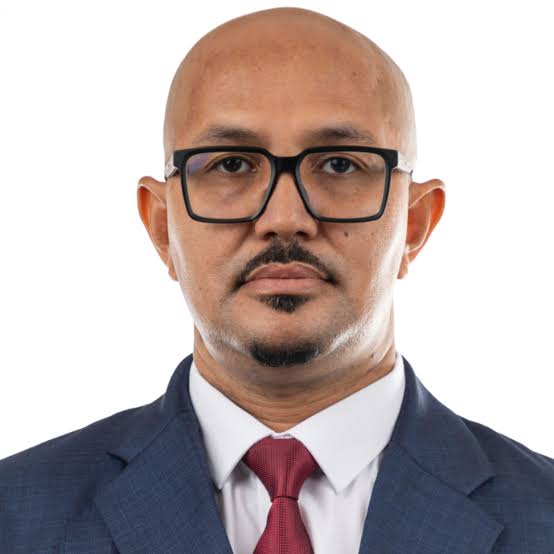
* Marizane Ithete is the junior communication officer, at Kaapangelwa & Associates. Their firm specialises in debt collection and credit risk management.