THE City of Windhoek will be able to provide sufficient water to its residents only until the middle of next year if dams supplying the city with water are not replenished in the meantime.
With the current poor rainfalls in the country, City of Windhoek spokesperson Joshua Amukugo says the level of water in the city’s supply dams is very low as there has not been significant inflows into the dams during the current rainy season.
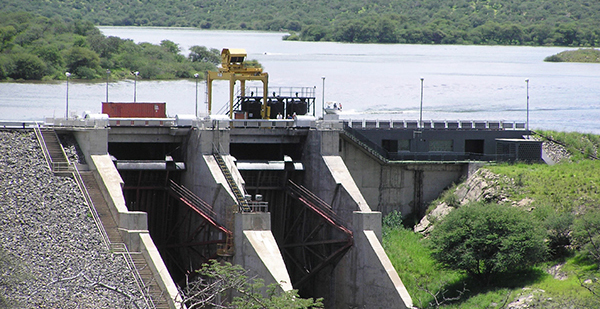
Speaking during a media briefing yesterday, Amukugo said it was projected that Von Bach Dam would be able to supply the city with water up to the middle of June 2016 before it ran dry, while Swakoppoort Dam would only be able to supply water until the end of July 2016. This situation is expected to change if rains fall.
“It is therefore clear that, if no sufficient inflows are received this rainy season to obtain sufficient run-off into the dams, severe [water] restrictions will need to be enforced,” he said.
Amukugo appealed to all Windhoek residents to save water at all times. “Wherever you find yourself,
be it at the office, school, home. Let us bear in mind that we are facing a critical stage that could turn disastrous if not handled with caution”.
He said the city would not implement water restrictions yet, but “we are coming up with strategies and education campaigns to request residents to use water sparingly,” Amukugo said, adding that the municipality would only impose restrictions if the situation did not improve.
The Namibia Water Corporation’s latest update on the state of the country’s dams indicates that all of the surface reservoirs supplying Windhoek were emptier on Monday than they were a year ago.
The combined level of the dams in the central part of the country stood at 28,5% of capacity on Monday. A year ago, the combined level of the dams was 45,7% of their total capacity of 165,89 million cubic metres of water. Currently the Swakoppoort, Von Bach, Omatako, Goreangab and Friedenau dams hold 47,3 million cubic metres of water.
The Swakoppoort Dam, with a capacity of 63,48 million cubic metres, was 36,8% full on Monday, compared to 55,7% a year ago. The Von Bach Dam, with a capacity of 48,56 million cubic metres, is 34,8% full, compared to 51,9% a year ago.
The Omatako Dam, from which water is pumped into the Von Bach Dam, is only 1,2% full. A year ago, its level stood at 17,1% of its 43,49 million cubic metre capacity.
The Goreangab Dam, which was 100,5% full a year ago, is full to its capacity of 3,64 million cubic metres. The Friedenau Dam west of Windhoek, with a capacity of 6,7 million cubic metres, is 43,9% full, compared to 61% at the start of March 2014.
Namibia’s biggest dam, the Hardap Dam near Mariental, which has a capacity to hold 294,59 million cubic metres, was 49,8% full on Monday. A year ago, the Hardap Dam was 42,3% full.
The Naute Dam near Keetmanshoop, which has a capacity for 83,58 million cubic metres, is 69,2% full, compared to 56,2% a year ago.
The Oanob Dam near Rehoboth, which was 53,5% full a year ago, stood at 38,5% of its total capacity of 34,5 million cubic metres on Monday.
In northern Namibia, the Olushandja Dam, which can hold 42,33 million cubic metres of water, was 30,2% full on Monday. At the start of March last year, that dam’s level stood at 22,2% of capacity.
Most of the dams in the Gobabis area are also lower than they were a year ago. While the Otjivero Main Dam (capacity 9,8 million cubic metres) is 69,4% full (60,4% a year ago), the Otjivero Silt Dam (capacity 7,79 million cubic metres) stands at 45,2% (117% a year ago), the Tilda Viljoen Dam (capacity 1,22 million cubic metres) is 60,5% full (81,7% a year ago), and the smaller Daan Viljoen Dam (capacity 430 000 cubic metres) is 67,4 % full (100,9% a year ago).
THE City of Windhoek will be able to provide sufficient water to its residents only until the middle of next year if dams supplying the city with water are not replenished in the meantime.
With the current poor rainfalls in the country, City of Windhoek spokesperson Joshua Amukugo says the level of water in the city’s supply dams is very low as there has not been significant inflows into the dams during the current rainy season.
Speaking during a media briefing yesterday, Amukugo said it was projected that Von Bach Dam would be able to supply the city with water up to the middle of June 2016 before it ran dry, while Swakoppoort Dam would only be able to supply water until the end of July 2016. This situation is expected to change if rains fall.
“It is therefore clear that, if no sufficient inflows are received this rainy season to obtain sufficient run-off into the dams, severe [water] restrictions will need to be enforced,” he said.
Amukugo appealed to all Windhoek residents to save water at all times. “Wherever you find yourself,
be it at the office, school, home. Let us bear in mind that we are facing a critical stage that could turn disastrous if not handled with caution”.
He said the city would not implement water restrictions yet, but “we are coming up with strategies and education campaigns to request residents to use water sparingly,” Amukugo said, adding that the municipality would only impose restrictions if the situation did not improve.
The Namibia Water Corporation’s latest update on the state of the country’s dams indicates that all of the surface reservoirs supplying Windhoek were emptier on Monday than they were a year ago.
The combined level of the dams in the central part of the country stood at 28,5% of capacity on Monday. A year ago, the combined level of the dams was 45,7% of their total capacity of 165,89 million cubic metres of water. Currently the Swakoppoort, Von Bach, Omatako, Goreangab and Friedenau dams hold 47,3 million cubic metres of water.
The Swakoppoort Dam, with a capacity of 63,48 million cubic metres, was 36,8% full on Monday, compared to 55,7% a year ago. The Von Bach Dam, with a capacity of 48,56 million cubic metres, is 34,8% full, compared to 51,9% a year ago.
The Omatako Dam, from which water is pumped into the Von Bach Dam, is only 1,2% full. A year ago, its level stood at 17,1% of its 43,49 million cubic metre capacity.
The Goreangab Dam, which was 100,5% full a year ago, is full to its capacity of 3,64 million cubic metres. The Friedenau Dam west of Windhoek, with a capacity of 6,7 million cubic metres, is 43,9% full, compared to 61% at the start of March 2014.
Namibia’s biggest dam, the Hardap Dam near Mariental, which has a capacity to hold 294,59 million cubic metres, was 49,8% full on Monday. A year ago, the Hardap Dam was 42,3% full.
The Naute Dam near Keetmanshoop, which has a capacity for 83,58 million cubic metres, is 69,2% full, compared to 56,2% a year ago.
The Oanob Dam near Rehoboth, which was 53,5% full a year ago, stood at 38,5% of its total capacity of 34,5 million cubic metres on Monday.
In northern Namibia, the Olushandja Dam, which can hold 42,33 million cubic metres of water, was 30,2% full on Monday. At the start of March last year, that dam’s level stood at 22,2% of capacity.
Most of the dams in the Gobabis area are also lower than they were a year ago. While the Otjivero Main Dam (capacity 9,8 million cubic metres) is 69,4% full (60,4% a year ago), the Otjivero Silt Dam (capacity 7,79 million cubic metres) stands at 45,2% (117% a year ago), the Tilda Viljoen Dam (capacity 1,22 million cubic metres) is 60,5% full (81,7% a year ago), and the smaller Daan Viljoen Dam (capacity 430 000 cubic metres) is 67,4 % full (100,9% a year ago).
In an age of information overload, Sunrise is The Namibian’s morning briefing, delivered at 6h00 from Monday to Friday. It offers a curated rundown of the most important stories from the past 24 hours – occasionally with a light, witty touch. It’s an essential way to stay informed. Subscribe and join our newsletter community.

The Namibian uses AI tools to assist with improved quality, accuracy and efficiency, while maintaining editorial oversight and journalistic integrity.
Stay informed with The Namibian – your source for credible journalism. Get in-depth reporting and opinions for
only N$85 a month. Invest in journalism, invest in democracy –
Subscribe Now!