



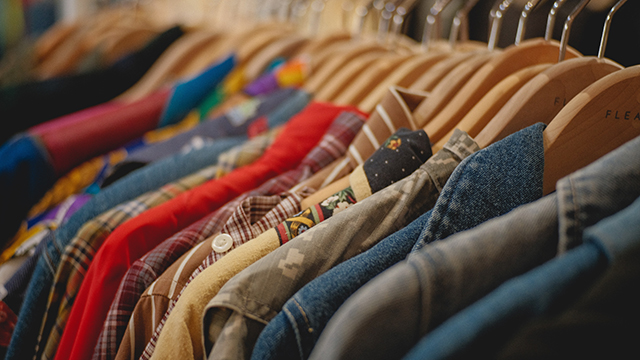
VINTAGE or second-hand clothing has a grip on Namibians, and the countrys import bill on these items stands at N$17,9 million between 2016 and 2020.
This averaged about N$3,5 million per year, and many Instragram influencers keep selling previously worn items – mainly blouses and coats.
Data from the Namibia Statistics Agency (NSA) shows the net weight of these worn clothes were some 1,3 million kg between 2016 and 2020.
Preliminary data from the NSA show that for 2021, N$2 million worth of these semi-old clothes were imported in the country between January and October this year.
The clothes are from all over the world and pass through many countries.
According to a report by consulting firm McKinsey, less is more when it comes to current clothing trends.
Production lines, however, churn too much clothing items and have now made Chile the worlds first country with clothing pollution.
Heaps of unworn clothes are being discarded in the Chilean desert, adding to a swiftly swelling graveyard of fast fashion, according to a report by AFP.
The massive heap of clothes consists of garments made in China and Bangladesh, which make their way to stores in the United States, Europe, and Asia.
When these garments are not purchased, they are brought to Chiles Iquique port to be resold to other Latin American countries.
AFP found that around 59 000 tonnes of clothing end up at the Chilean port every year.
Of that amount, 39 000 tonnes are moved into landfills in the desert.
Alex Carreno, a former employee at Iquiques import section, told AFP the clothing “arrive from all over the world”.
Fast fashion, while affordable, is extremely harmful to the environment.
For one, the fashion industry accounts for eight to 10% of the worlds carbon emissions, according to the United Nations.
In 2018, the fashion industry was also found to consume more energy than the aviation and shipping industries combined.
Researchers estimate that the equivalent of a garbage truck of clothes is burned and sent to a landfill every second.
And the rate at which consumers are buying clothing is not slowing down.
According to statistics from the Ellen McArthur Foundation, a UK-based think tank and circular economy charity, clothing production doubled between 2004 and 2019.
McKinsey also estimated that the average consumer purchased 60% more clothes in 2014 than they did in 2000.
* Additional report, Business Insider US
In an age of information overload, Sunrise is The Namibian’s morning briefing, delivered at 6h00 from Monday to Friday. It offers a curated rundown of the most important stories from the past 24 hours – occasionally with a light, witty touch. It’s an essential way to stay informed. Subscribe and join our newsletter community.

The Namibian uses AI tools to assist with improved quality, accuracy and efficiency, while maintaining editorial oversight and journalistic integrity.
Stay informed with The Namibian – your source for credible journalism. Get in-depth reporting and opinions for
only N$85 a month. Invest in journalism, invest in democracy –
Subscribe Now!