





As Namibia’s cities expand and climate pressures mount, a new movement is taking root – urban agriculture.
More than a way to grow food, it is a pathway to sustainable development, social equity and economic opportunity.
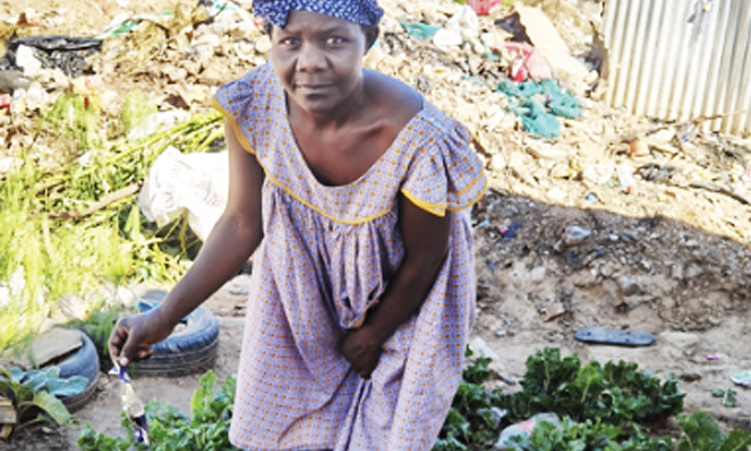
In Windhoek and beyond, families and communities are transforming vacant lots, rooftops and informal settlements into thriving gardens, chicken coops and micro-farms.
Let’s look at how urban agriculture can build resilience in the face of water scarcity, rapid urbanisation and food insecurity.
Opportunities
Between 2011 and 2023 Windhoek’s population grew by more than 65%, stretching infrastructure and basic services to the limit.
More than 100 000 households now live in informal dwellings, often lacking access to affordable nutritious food.
At the same time climate variability, rising prices and economic shocks make it harder for low-income families to put healthy meals on the table. Urban agriculture tackles these challenges simultaneously by:
- • Producing fresh, affordable food close to consumers
- • Creating income opportunities for women and youth
- • Promoting sustainable resource management
Catalyst for SDGs
Urban farming in Namibia contributes directly to at least nine Sustainable Development Goals from Zero Hunger and Good Health (SDGs) to Gender Equality and Climate Action.

By integrating waste recycling, nutrition education and circular economy principles into urban food systems, it strengthens community cohesion and builds local expertise in sustainable practices.
During the Covid-19 pandemic, UNDP Namibia launched the Build Back Better Agriculture Project to address immediate food shortages.
Today it has become a comprehensive intervention reaching over 1 300 low-income households and microenterprises. Key components include:
- • Digital agriculture tools for better crop planning
- • Solar-powered mobility to transport produce to markets
- • Sustainable water management and precision irrigation
- • Climate-smart farming methods and drought resistant crops
- • Vocational training through technical and vocational education and training colleges
Innovation in Action
“My dream has come true with the e-voucher card. I built a chicken coop and bought 330 chick broilers in no time,” says one beneficiary, Catherine ‘Ouma Babsie’ Young (56), a caregiver from Groot Aub.
“I care for my mother and disabled sister.
“When food prices shot up during Covid-19 I struggled to cover even basic staples. Urban agriculture offered me a way to feed my family and earn extra income.”
Water-Wise Solutions
With 70% of Namibians living under water stress and groundwater recharge rates critically low, urban agriculture must embrace water saving innovations.
Windhoek can learn from farmers in Mexico’s Mixteca region.
They combine ancient terracing with rainwater harvesting to restore soils and capture every drop of rain.
Locally, precision drip irrigation, drought tolerant crop varieties and geo-agricultural mapping can dramatically reduce water use while boosting yields.
Scaling up urban agriculture requires bold collaboration between the government, private sector investors and communities.
Insights from the Windhoek Economic Development Investment Forum highlight the need to shift from grant dependency toward blended finance models.
Instruments – such as sustainability bonds, public private partnerships and local revenue generation – will unlock capital for high value projects while ensuring social inclusion and environmental stewardship.
Looking Forward
Urban agriculture in Namibia is more than a technical fix, it is a transformative force for social justice, economic empowerment and climate resilience.
By nurturing these green corridors, we invest not only in food but in the dignity and well-being of future generations.
Let’s cultivate this vision together and harvest a more sustainable and equitable tomorrow.
– Irish Goroh leads UNDP Namibia’s Sustainable Inclusive Green Growth portfolio with two decades of experience in programme delivery, sustainable development, and strategic fund management.
– Learn more about Sustainable Inclusive Green Growth projects on the UNDP Namibia website; contact irish.goroh@undp.org to explore partnership opportunities.