






This week’s uproar over speed humps on Windhoek’s Western byypass has exposed more than a traffic bottleneck – it has laid bare a deeper urban transport crisis that is punishing commuters, especially the poor.
The measure was introduced to protect pedestrians who cross the highway illegally, posing a danger to themselves and to motorists.
But placing speed humps on a highway is a poor answer to a serious safety problem. A safer and more sensible response would be a pedestrian bridge across this key route into the capital.
The real issue, however, goes beyond road safety. The bigger problem is an urban transport system that is becoming unaffordable for ordinary people.
For low-income earners, transport already consumes more than a third of a household’s gross monthly income. After taxi fares little stays for rent, food, clothing, and other essentials.
That burden has become heavier this year following fare increases, so routine trips now demand more from commuters. And this is not only a Windhoek problem. Across Namibia’s urban centres, rising taxi fares are squeezing households that are already under pressure.
Most Windhoek residents travel long distances every day and taxis are the only realistic choice for work, school, shopping, medical care, worship and other daily needs.
People would prefer to live close to work, business and recreation facilities, with daily travel kept short and manageable. But for most urban commuters in Namibia, where they live is shaped not by choice, but by economic reality.
Low- and middle-income households do not accept long commutes because they want to. They endure them because affordable housing is usually found on the outskirts of towns and cities – far from jobs, schools, and services.
Yet urban planning keeps reproducing the same injustice, pushing lower-income communities furthest from centres of work, education, and recreation.
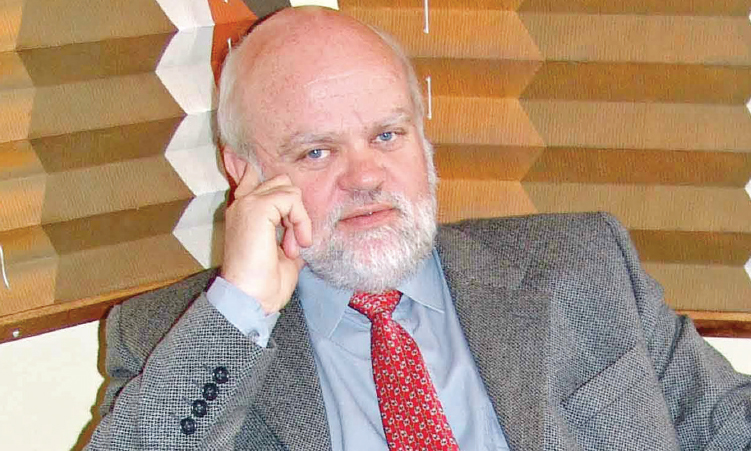
Retired architect Leon Barnard repeatedly warned against locating low- and middle-income neighbourhoods far from the places where people work, study and build their lives. He also helped develop a master plan for urban redesign and renewal.
This debate should not be treated as if the city has never thought about mobility before.
Windhoek has had transport planning frameworks, including a sustainable urban transport master plan, and the city continues to speak about inclusive mobility, non-motorised transport, and better public systems.
The problem is not the absence of ideas. It is the failure to turn ideas into visible change on the ground.
Studies on urban transport have been conducted, warnings issued, and plans have been drafted.
What has been missing is decisive action. In the meantime, taxis continue to multiply because commuter demand leaves few alternatives.
Taxis are essential. They help people get to work, return home, and move across the city. But as the main answer to urban transport demand, they are not a sustainable long-term solution.
As Windhoek expands and informal settlements grow, the cost of delayed action will only increase. Every new community established far from jobs and services locks in longer travel times, higher transport costs, and deeper inequality, all while placing more pressure on roads.
Windhoek’s roads, like those in other major Namibian towns, can no longer manage rising traffic volumes.
Unless urban areas are planned around people rather than distance, commuting will remain a nightmare for those least able to afford it.
- danny@smecompete.com